London: Global oil prices fell nearly 2% on Friday as improving crude shipments through the Strait of Hormuz eased concerns about supply disruptions. The decline came even after a commercial vessel was struck near Oman, highlighting that security risks in the region continue to influence energy markets.
According to Beyond Time News, Brent crude dropped $1.50, or 1.99%, to $73.76 per barrel, while US West Texas Intermediate (WTI) fell $1.49, or 2.07%, to $70.43 per barrel during trading.
The weekly decline reflects growing confidence that oil exports are gradually returning to normal after months of disruption.
Rising Shipments Ease Supply Concerns
Market sentiment improved as more oil tankers resumed movement through the Strait of Hormuz.
Shipping data showed that several vessels stranded during recent regional tensions have now left the waterway. This increase in traffic has eased fears of a prolonged supply shortage.
However, analysts caution that shipping volumes remain below normal levels. Before the conflict began earlier this year, about 125 vessels passed through the strait each day.
According to Beyond Time News, much of the recent increase reflects previously stranded ships finally completing their journeys rather than a full recovery in normal trade.
Saudi Aramco Resumes Oil Loading
Saudi Arabia also provided positive signals for the market.
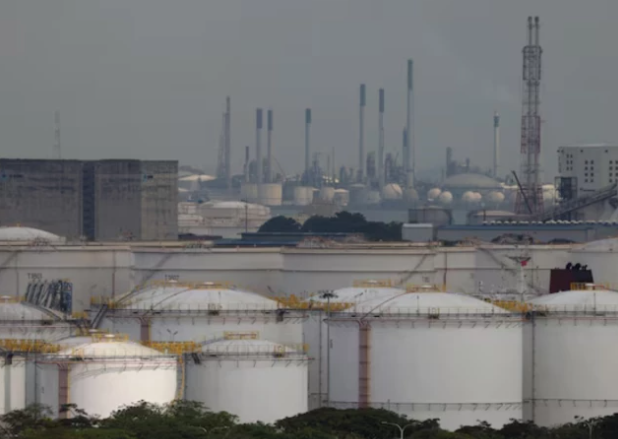
Shipping data indicated that Saudi Aramco resumed crude loading operations at its Ras Tanura export terminal after a suspension of nearly four months.
Two Very Large Crude Carriers (VLCCs) were loading crude at the terminal, while another vessel was waiting nearby.
Each VLCC can transport approximately 2 million barrels of oil, making the resumption an important step toward restoring regional exports.
Vessel Strike Highlights Ongoing Risks
Despite improving exports, security concerns have not disappeared.
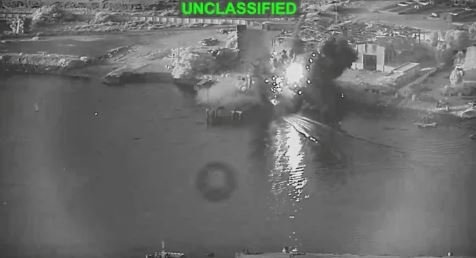
A commercial cargo vessel was struck by an unidentified object near Oman on Thursday while travelling close to the Strait of Hormuz.
The incident prompted the International Maritime Organization (IMO) to temporarily suspend its voluntary escort initiative while reviewing security conditions.
According to Beyond Time News, the vessel safely continued its voyage after sustaining limited damage, and no injuries were reported.
The incident briefly pushed oil prices higher before the broader increase in crude shipments weighed on the market.
Analysts Expect Market to Remain Volatile
Energy analysts say the oil market remains highly sensitive to developments in the Gulf.
Although exports have improved, inbound shipping traffic into the Persian Gulf remains lower than usual.
Some market observers believe crude flows could slow again once the backlog of stranded tankers has cleared.
As a result, traders continue to monitor geopolitical developments closely.
Oil Prices Fall Sharply as Strait of Hormuz Concerns Ease, Gold Drops Below $4,000
Venezuela Earthquakes Add Another Layer of Uncertainty
Outside the Middle East, earthquakes in Venezuela also attracted attention from oil markets.
Initial assessments suggested limited damage to the country’s major oil facilities because the strongest tremors occurred away from key production regions.
However, electricity disruptions have created uncertainty over whether Venezuela can maintain production close to its recent level of 1.2 million barrels per day.
Any sustained disruption could affect global oil supplies if production declines significantly.
Why the Strait of Hormuz Matters
The Strait of Hormuz is one of the world’s most important energy corridors.
A large share of global crude oil and liquefied natural gas exports passes through the narrow waterway every day.
Any disruption to shipping can influence fuel prices, transportation costs, and inflation around the world.
For this reason, governments, shipping companies, and energy traders closely watch developments in the region.
Conclusion
Oil prices moved lower as stronger crude shipments through the Strait of Hormuz eased immediate supply concerns despite a recent security incident near Oman.
Although exports are recovering, analysts believe the market will remain sensitive to geopolitical developments, shipping activity, and global energy demand. Future price movements are likely to depend on both regional stability and the pace of worldwide oil consumption.
Frequently Asked Questions
Why did oil prices fall?
Oil prices declined because more crude tankers resumed using the Strait of Hormuz, reducing fears of supply shortages.
How much did Brent crude and WTI fall?
Brent crude dropped nearly 2% to $73.76 per barrel, while WTI fell about 2% to $70.43 per barrel.
Why is the Strait of Hormuz important?
The Strait of Hormuz is a major global shipping route for crude oil and natural gas. Disruptions there can affect international energy prices.
What happened near Oman?
A commercial cargo vessel was struck by an unidentified object near Oman. The ship continued its journey after suffering limited damage.
How could Venezuela affect oil markets?
Although major facilities avoided significant damage, power outages following earthquakes could affect Venezuela’s oil production if disruptions continue.
Hashtags
#OilPrices
#BrentCrude
#WTI
#StraitOfHormuz
#EnergyMarkets
#SaudiAramco
#GlobalEconomy
#CrudeOil
#MiddleEast
#BusinessNews