
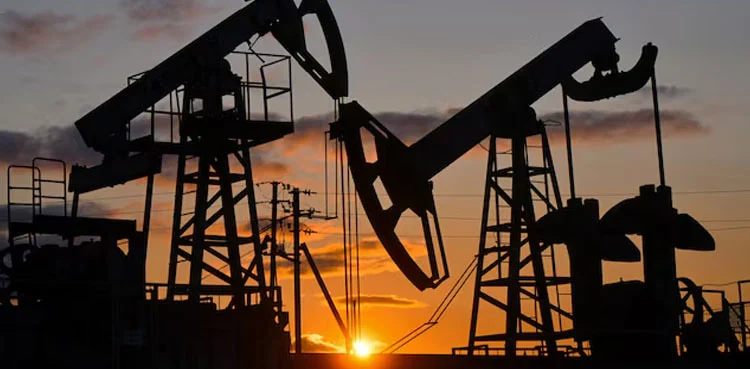
- Houston/Karachi: Oil and Gold Retreat as Market Fears Over Supply Disruptions Fade
Global commodity markets witnessed a sharp pullback on Wednesday as oil prices fell to multi-month lows and gold dropped below a key psychological threshold, reflecting improving investor confidence over energy supplies and shifting expectations for interest rates.
The decline came as concerns surrounding oil shipments through the Strait of Hormuz eased, reducing fears of major supply disruptions that had previously supported higher energy prices.
According to Beyond Time News, both oil and precious metals faced selling pressure as traders reassessed geopolitical risks and broader economic conditions.
Oil Prices Slide as Supply Routes Stabilize
International benchmark crude prices dropped significantly after reports indicated smoother movement of oil tankers through the Strait of Hormuz, one of the world’s most important energy transit routes.
Brent crude fell by more than $3 per barrel, while US benchmark West Texas Intermediate (WTI) also recorded substantial losses.
The decline pushed oil prices to their lowest levels since before the outbreak of the Iran conflict, signaling reduced concern among investors about immediate supply shortages.
Market analysts said the return of tanker traffic through key shipping lanes helped calm fears that had previously driven prices higher.
Strait of Hormuz Remains Critical to Global Energy Markets
The Strait of Hormuz serves as a strategic gateway connecting Gulf energy producers to international markets.
A significant portion of global oil exports passes through the narrow waterway each day, making it highly sensitive to geopolitical developments.
Any threat to shipping operations in the area can quickly affect global energy prices, transportation costs, and inflation expectations.
Recent improvements in maritime traffic have reassured markets that energy supplies remain available despite ongoing regional tensions.
Oil Prices Ease as Investors Assess US-Iran Peace Deal Amid Ongoing Strait of Hormuz Uncertainty
Gold Falls Below Key Psychological Level
Gold prices also moved lower as investors shifted away from traditional safe-haven assets.
Spot gold slipped below $4,000 per ounce for the first time in several months, reflecting pressure from a stronger US dollar and expectations that interest rates could remain elevated for a longer period.
Higher interest rates often reduce the appeal of non-yielding assets such as gold because investors can potentially earn better returns elsewhere.
Currency movements also played a role, as a stronger dollar typically makes gold more expensive for international buyers.
Investors Reassess Economic Outlook
Financial markets continue to weigh several competing factors, including inflation trends, monetary policy decisions, and geopolitical developments.
Recent declines in oil and gold suggest investors are becoming more optimistic about near-term economic stability and less concerned about immediate disruptions to global supply chains.
However, analysts caution that commodity markets remain vulnerable to sudden shifts in geopolitical conditions, particularly in energy-producing regions.
Any escalation in tensions could quickly reverse recent price movements.
Pakistan’s Gold Market Closed During Ashura Holidays
Local gold trading activity in Pakistan remained suspended due to the observance of Youm-e-Ashura holidays.
As a result, the All-Pakistan Gems and Jewellers Sarafa Association (APGJSA) did not issue official domestic gold rates during the closure period.
Market participants are expected to closely monitor international price trends once trading resumes.
Changes in global gold prices often influence local market rates and consumer demand across Pakistan.
Petrol Prices in Pakistan May Drop Sharply as Global Oil Prices Fall After US–Iran Peace Deal
Jewellery Industry Raises Travel Concerns
Despite the market closure, representatives of the jewellery sector met customs officials in Karachi to discuss challenges affecting business operations.
A delegation from the APGJSA held discussions with authorities regarding difficulties faced by jewellers and gold traders when travelling between cities while carrying jewellery or gold.
According to Beyond Time News, customs officials assured industry representatives that efforts would be made to develop a clearer framework aimed at reducing operational challenges and improving compliance procedures.
Industry stakeholders say streamlined regulations could help facilitate legitimate business activities while maintaining security standards.
Rupee Records Marginal Gain Against Dollar
Pakistan’s currency showed little movement in the interbank market, posting a slight gain against the US dollar.
The rupee ended the trading session at Rs278.20 per dollar, reflecting relative stability in foreign exchange markets.
Currency stability remains an important factor for importers, exporters, and investors, particularly during periods of global market volatility.
Why These Market Movements Matter
Oil and gold prices influence a wide range of economic activities worldwide.
Lower oil prices can reduce transportation and manufacturing costs, helping ease inflationary pressures for consumers and businesses.
At the same time, falling gold prices may affect investment strategies, jewellery demand, and precious metals markets.
For Pakistan, commodity price movements can influence import bills, inflation trends, foreign exchange reserves, and overall economic planning.
Conclusion
Global commodity markets moved sharply lower as easing concerns over oil supplies through the Strait of Hormuz reduced investor anxiety. Oil prices dropped to their lowest levels in months, while gold fell below the $4,000 mark amid a stronger dollar and changing interest-rate expectations. As markets continue to monitor geopolitical developments and economic indicators, analysts expect commodity prices to remain sensitive to both regional events and global financial conditions.
Frequently Asked Questions
Why did oil prices fall sharply?
Oil prices declined after concerns about supply disruptions through the Strait of Hormuz eased and tanker movements improved.
Why did gold prices drop below $4,000?
Gold came under pressure from a stronger US dollar and expectations that interest rates may remain higher for longer.
Why is the Strait of Hormuz important?
The waterway handles a significant share of global oil exports, making it crucial to international energy markets.
Did Pakistan’s gold market remain open?
No. Local gold markets were closed due to Youm-e-Ashura holidays, and official rates were not released.
How did the Pakistani rupee perform?
The rupee recorded a slight gain, closing at Rs278.20 against the US dollar in the interbank market.
Hashtags
#OilPrices
#GoldMarket
#StraitOfHormuz
#GlobalEconomy
#CommodityMarkets
#PakistanEconomy
#Rupee
#EnergyMarkets
#FinancialNews
#MarketUpdate


2 thoughts on “Oil Prices Fall Sharply as Strait of Hormuz Concerns Ease, Gold Drops Below $4,000”
Comments are closed.