- APHC Raises Concerns Over Future of Kashmiri Identity in IIOJK
Srinagar: All Parties Hurriyat Conference (APHC) has expressed concern over what it describes as ongoing efforts to alter the demographic character of Indian illegally occupied Jammu and Kashmir (IIOJK), warning that such changes could have long-term consequences for the region’s cultural and social identity.
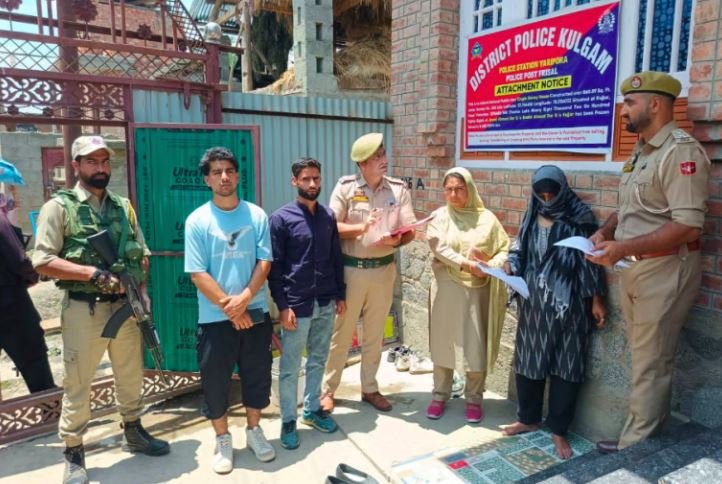
According to Beyond Time News, APHC spokesman Advocate Abdul Rashid Minhas said in a statement issued in Srinagar that recent policies introduced after August 2019 have opened the door for non-local settlement in the territory. He argued that these developments are creating anxiety among residents who fear changes to the region’s traditional demographic composition.
APHC Alleges Policies Are Reshaping Demographics
The APHC maintains that the revocation of Articles 370 and 35A by the Indian government on August 5, 2019, marked a turning point in the political and administrative landscape of IIOJK.
According to the organization, the constitutional changes removed legal protections that previously governed residency and property rights in the territory. APHC leaders claim that these measures have enabled greater outside settlement and investment, which they believe could gradually alter the demographic balance of the region.
Advocate Abdul Rashid Minhas stated that Kashmiris are concerned about preserving their cultural heritage, language, traditions, and historical identity. He argued that any large-scale demographic shift could have lasting effects on the social fabric of the territory.
Concerns Over Employment and Economic Opportunities
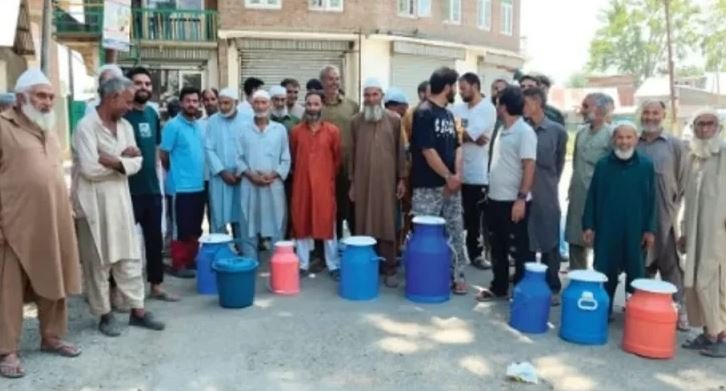
The APHC spokesman also raised concerns about employment opportunities for local residents. He claimed that many Kashmiris fear increasing competition for government and private-sector jobs as administrative and economic changes continue.
According to Beyond Time News, the APHC believes that protecting local employment opportunities remains a key issue for many families in IIOJK. The organization argues that economic security is closely linked to cultural preservation and community stability.
Observers note that employment remains one of the most important issues facing young people in the region. Access to education, jobs, and economic growth continues to influence public debate about the future of IIOJK.
APHC-AJK Elects Ghulam Muhammad Safi Convener for Consecutive Second Term
Historical Context Behind the Debate
The debate over demographic change in IIOJK has intensified since the constitutional changes introduced in 2019.
Article 370 had granted a special constitutional status to Jammu and Kashmir, while Article 35A provided certain residency-related protections. Their removal led to significant political and legal changes that continue to generate discussion both within the territory and internationally.
Supporters of the policy changes argue that they encourage investment, infrastructure development, and economic integration. Critics, however, contend that the measures could weaken local political representation and cultural identity.
This difference in perspectives remains at the center of discussions about the future of the disputed territory.
Why Kashmiri Identity Remains a Central Issue
For many Kashmiris, identity is closely tied to language, culture, history, and collective memory. Community leaders, civil society groups, and political organizations frequently emphasize the importance of preserving these elements amid ongoing political developments.
The APHC argues that demographic shifts could influence social structures, land ownership patterns, and political representation over time. The organization believes that safeguarding local identity remains essential for maintaining the region’s unique cultural character.
Experts on conflict regions often note that debates over identity and demographics can become highly sensitive because they affect perceptions of belonging, representation, and long-term political rights.
Calls for International Attention
The APHC has urged the international community to closely monitor developments in IIOJK and assess the impact of policies that it believes could alter the region’s demographic makeup.
According to Beyond Time News, the organization called on international institutions and human rights bodies to pay attention to concerns raised by local residents regarding cultural preservation, demographic changes, and political rights.
The issue continues to attract attention from regional stakeholders, policymakers, and advocacy groups who closely follow developments in the territory.
Possible Implications for the Region
The debate surrounding demographic changes in IIOJK is likely to remain a major political issue in the coming years.
Analysts suggest that concerns over identity, representation, and economic opportunities could continue to shape public discourse. The way these issues are addressed may influence social cohesion, political stability, and future dialogue related to the territory.
As discussions continue, many observers believe that preserving cultural heritage while addressing economic and governance challenges will remain a central concern for communities across IIOJK.
Conclusion
The APHC’s latest statement highlights ongoing concerns about demographic change and cultural preservation in Indian illegally occupied Jammu and Kashmir. While differing views exist regarding the impact of post-2019 policies, questions surrounding identity, employment, and representation continue to dominate discussions about the region’s future. The issue remains a sensitive and closely watched aspect of the broader Kashmir dispute.
Frequently Asked Questions
What concerns has APHC raised about IIOJK?
APHC has expressed concern that demographic changes following policy reforms introduced in 2019 could affect Kashmiri identity, culture, and social representation.
What were Articles 370 and 35A?
Article 370 granted special constitutional status to Jammu and Kashmir, while Article 35A provided certain residency-related protections. Both were revoked in August 2019.
Why does APHC believe Kashmiri identity is under threat?
The organization argues that increased settlement by non-locals and administrative changes could gradually alter the region’s demographic and cultural character.
How could demographic changes affect local residents?
Critics say demographic shifts may influence employment opportunities, political representation, land ownership, and cultural preservation.
Why is the international community being urged to pay attention?
APHC believes international organizations should monitor developments related to demographic changes, cultural rights, and the political future of IIOJK.
Hashtags
#IIOJK
#KashmirNews
#KashmiriIdentity
#APHC
#HumanRights
#SouthAsia
#DemographicChange
#SrinagarNews
#KashmirIssue
#BreakingNews