
Introduction
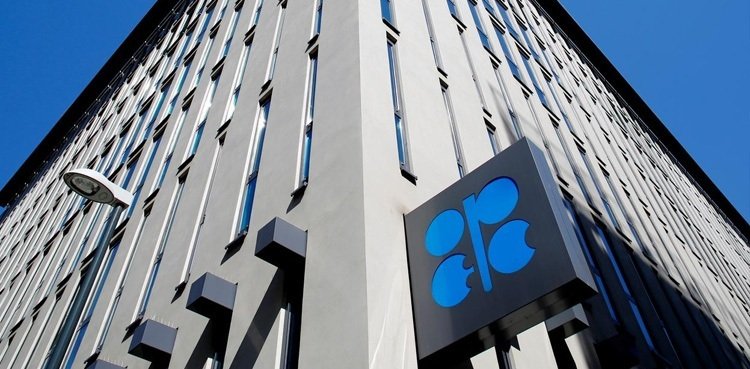
Global oil markets are on edge as OPEC+ prepares to make its first major production decision following the United Arab Emirates’ exit from the alliance. At a time when energy prices are already rising, this meeting could shape the future of oil supply and market stability.
OPEC+ Members Meet After UAE Withdrawal
According to Beyond Time News, seven key OPEC+ members — including Saudi Arabia and Russia — are holding a crucial meeting to decide new oil production quotas.
Notably, this is the first such decision since the UAE officially left the group on April 28, with the withdrawal taking effect recently. As a result, analysts are closely watching both the decision and the tone of the final statement.
Expected Oil Production Increase
Market experts largely expect OPEC+ to raise production by around 188,000 barrels per day. In fact, this increase aligns closely with earlier adjustments made in recent months.
However, even if quotas rise on paper, the actual impact may remain limited. This is because many countries are already producing below their assigned levels.
Read more:Air Traffic in UAE Fully Restored as Precautionary Restrictions Are Lifted
Strait of Hormuz Blockade Disrupts Supply
One of the biggest challenges affecting oil supply is the ongoing blockade of the Strait of Hormuz. Consequently, several Gulf countries — including Saudi Arabia, Iraq, and Kuwait — face difficulties exporting oil.
At the same time, the conflict in the Middle East has disrupted production across the region. Analysts estimate that OPEC+ output has fallen significantly below its target due to war-related issues rather than voluntary cuts.
Russia Gains, But Faces Its Own Challenges
Russia, one of the largest oil producers in the group, has benefited from rising oil prices. Nevertheless, it is also struggling to meet production targets due to its ongoing conflict in Ukraine.
Therefore, even major producers are facing limitations that could affect overall supply.
UAE Exit: A Major Shift for OPEC+
The UAE’s departure marks a significant turning point for OPEC+. Unlike previous exits, this move carries more weight because the UAE is one of the top oil producers with large untapped capacity.
Moreover, the country has invested heavily in expanding its production capabilities and aims to significantly increase output in the coming years. As a result, it could become a stronger independent player in the global oil market.
Risk of More Countries Leaving
The UAE’s exit may encourage other members to reconsider their position. For instance, countries like Iraq and Kazakhstan have already faced criticism for exceeding production quotas.
If tensions continue, more exits could weaken the alliance’s ability to control global oil supply.
What This Means for Global Oil Prices
The outcome of this meeting could have a direct impact on oil prices worldwide. On one hand, increasing production may help stabilize prices. On the other hand, ongoing geopolitical tensions could keep markets volatile.
Final Thoughts
OPEC+ stands at a critical moment as it navigates internal changes and external pressures. Ultimately, the group’s ability to manage production and maintain unity will determine its influence on the global energy market in the months ahead.

One thought on “OPEC+ Faces Key Oil Production Decision After UAE Exit”
Comments are closed.