
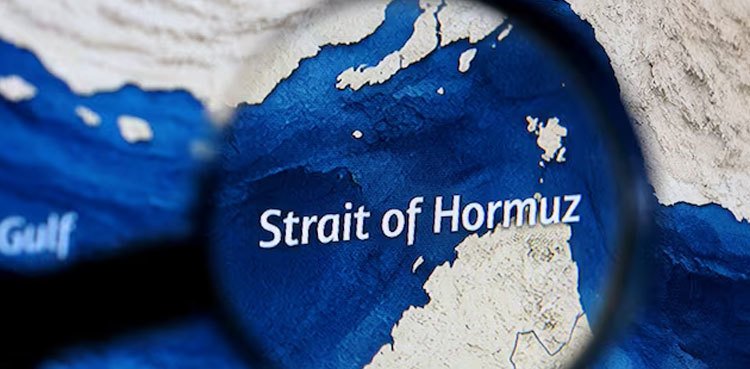
OPEC+ is preparing for another increase in oil production quotas even as the ongoing closure of the Strait of Hormuz continues to disrupt global energy supplies, according to sources familiar with the matter.
Seven key member countries have agreed in principle to raise output targets by around 188,000 barrels per day in June, marking the third straight monthly increase. The decision is expected to be finalised at a policy meeting on Sunday.
Key OPEC+ Members Involved
The participating countries include:
- Saudi Arabia
- Iraq
- Kuwait
- Algeria
- Kazakhstan
- Russia
- Oman
The UAE has recently exited the group, although OPEC+ still operates as a broader alliance of 21 members, including Iran. In recent years, only a smaller group of producers has driven monthly output decisions.
War Impact on Oil Supply
The conflict that began on February 28 has led to the closure of the Strait of Hormuz, disrupting exports from major Gulf producers, including Saudi Arabia, Iraq, Kuwait, and the UAE.
Iran, also part of OPEC+, has faced reduced exports due to external sanctions and shipping restrictions.
Attock Refinery Halt Unit Islamabad Traffic Restrictions Oil Supply
Output Increase Seen as Symbolic
Despite the planned increase, energy experts say the move may have limited immediate impact because shipping routes remain disrupted. Full normalisation of oil flows could take weeks or even months even after conditions improve.
Oil Prices Surge Globally
The disruption has pushed crude prices to a four-year high, briefly crossing $125 per barrel, raising concerns over fuel shortages and rising global inflation.
Production Trends
OPEC data shows total crude output from member countries averaged 35.06 million barrels per day in March, reflecting a sharp decline due to export restrictions and infrastructure damage in key producing regions.
Market Outlook
Analysts say the planned hike signals that OPEC+ is maintaining a structured production strategy and may increase supply further once geopolitical tensions ease.
https://www.reuters.com