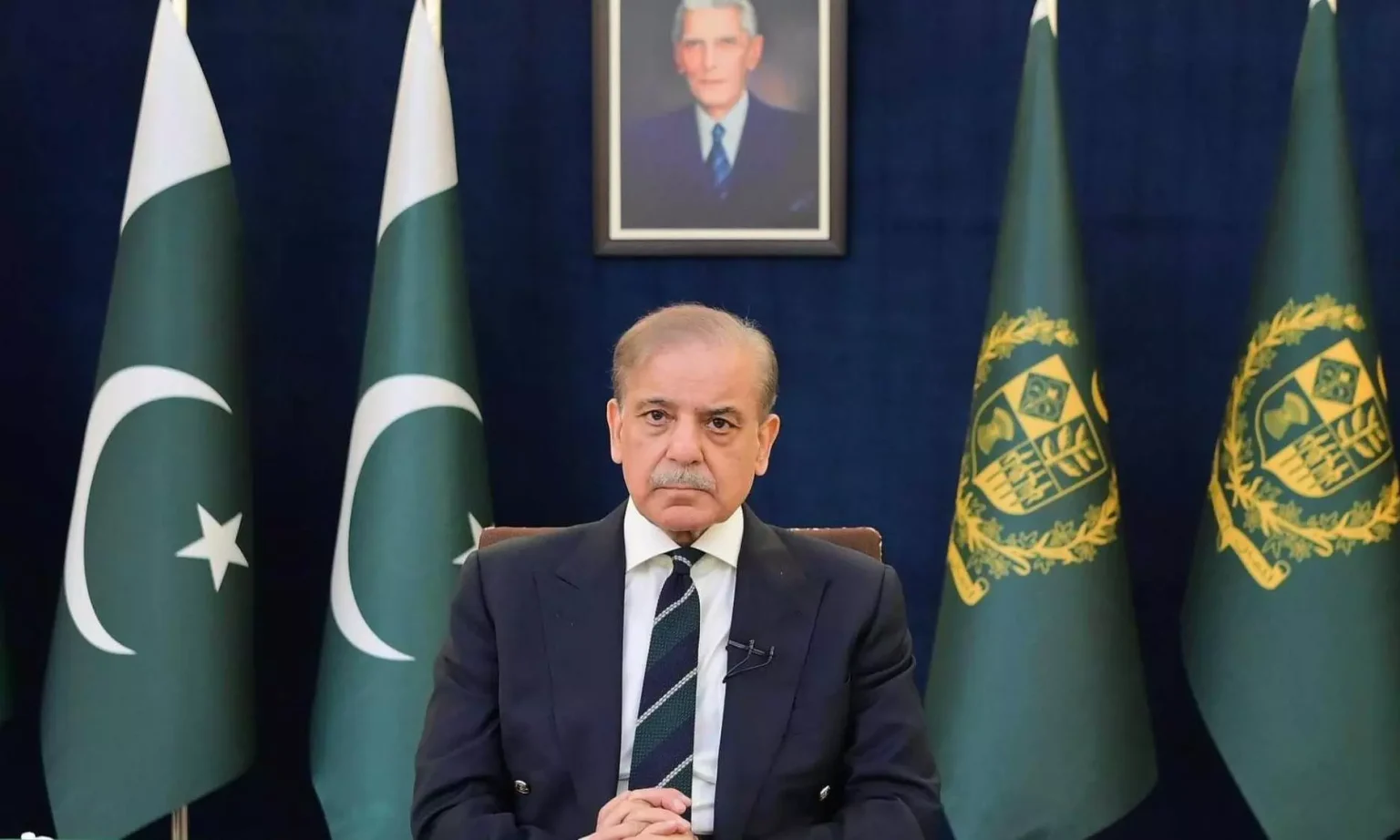
RAWALPINDI – Minister of State for Finance Bilal Azhar Kayani has indicated that Pakistan’s ability to offer economic relief remains constrained due to commitments under the International Monetary Fund (IMF) program.
According to Beyond Time News, he shared these remarks while addressing a pre-budget seminar organized by the Rawalpindi Chamber of Commerce and Industry, where economic challenges, taxation, and upcoming reforms were discussed in detail.
IMF Program Restricts Fiscal Flexibility
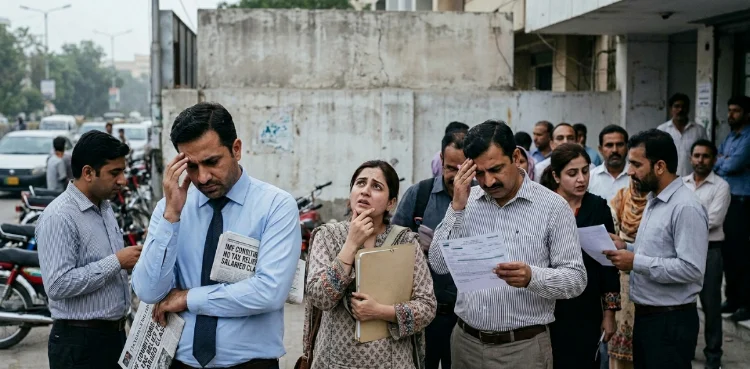
During his speech, the minister acknowledged growing demands from taxpayers and salaried individuals for relief in taxes.
However, he explained that the government’s fiscal space is limited due to obligations under the IMF program, which requires strict financial discipline and revenue generation targets.
As a result, policymakers are working within tight constraints while preparing the upcoming federal budget.
Focus on Tax Relief for Salaried Class
The minister highlighted that the government understands concerns about the high tax burden on salaried individuals.
Nevertheless, he said any major reduction in taxes would depend on improving revenue collection and meeting international financial commitments.
Therefore, gradual and targeted adjustments are being considered instead of immediate large-scale relief.
Privatisation of PIA Reduces Fiscal Pressure
Bilal Azhar Kayani also referred to the recent privatisation efforts involving Pakistan International Airlines (PIA).
He stated that the move has helped reduce financial pressure on the national exchequer, easing some burden on public finances.
In addition, he described privatisation as an important step toward improving efficiency in state-owned enterprises.
Next Phase: Power Sector Reforms
The minister further announced that the next major focus of privatisation efforts will be the power sector.
He pointed out that the sector continues to impose a heavy financial burden on the government due to transmission losses and inefficiencies.
Consequently, reforms in this area are being considered essential for long-term economic stability.
Increase in Tax Collection Through Enforcement
Bilal Azhar Kayani said the government has improved revenue collection through stricter enforcement measures.
He revealed that Pakistan collected approximately Rs. 803 billion through enforcement actions in the previous fiscal year.
This increase, he said, reflects stronger efforts to broaden the tax base and reduce evasion.
Engagement With Business Community
The minister also shared that the government has received multiple proposals from the business community ahead of the budget.
He added that regular consultations are ongoing with chambers of commerce across the country to shape economic policy.
As a result, policymakers aim to align budget priorities with industry needs while maintaining fiscal discipline.
Need to Improve Business Environment
Looking ahead, Bilal Azhar Kayani stressed that attracting investment will depend on improving Pakistan’s overall business environment.
He noted that reforms in taxation, regulation, and governance are essential to encourage both local and foreign investment.
Therefore, the government is focusing on structural improvements to strengthen long-term economic growth.
Conclusion
The finance ministry has acknowledged that Pakistan’s economic decisions are closely tied to IMF requirements, limiting immediate relief measures for citizens. At the same time, the government continues to pursue reforms, privatisation, and stronger tax enforcement to stabilize the economy.
According to Beyond Time News, officials remain engaged with the business community while preparing a budget aimed at balancing fiscal responsibility with economic growth.
Read more:Sindh Govt Announces Early Salaries for Employees of Eid-ul-Adha
SEO Keywords
Pakistan IMF program 2026, Bilal Azhar Kayani statement, Pakistan budget 2026 news, tax relief salaried class Pakistan, PIA privatisation impact, Pakistan power sector reforms, Pakistan economy news
Hashtags
#PakistanEconomy #IMF #Budget2026 #TaxRelief #PIA #PowerSector #FinanceNews #BusinessPakistan #BeyondTimeNews #EconomicReforms
FAQs
1. Why is Pakistan unable to provide tax relief?
Because the country is operating under IMF program conditions that require strict fiscal discipline.
2. What did the finance minister say about PIA?
He said its privatisation has reduced financial pressure on the national exchequer.
3. Which sector is next for privatisation?
The power sector is expected to be the next major focus.
4. How much revenue was collected through enforcement?
Around Rs. 803 billion was collected in the previous fiscal year.
5. What is the government’s focus for future investment?
Improving the business environment to attract more domestic and foreign investment.