
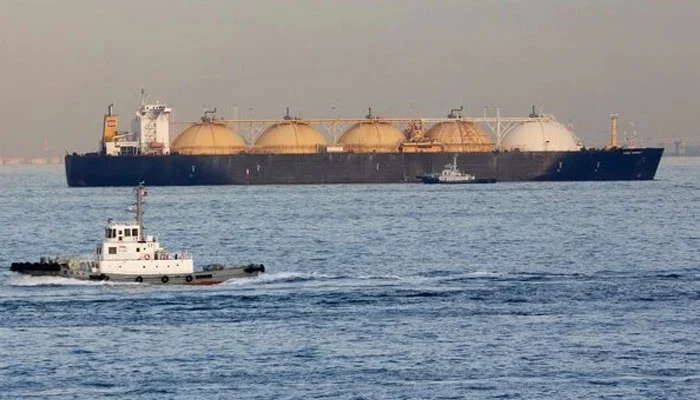
Pakistan is preparing to receive a fresh liquefied natural gas (LNG) shipment at the end of April, aimed at easing ongoing electricity shortages and supporting the country’s strained power sector.
According to Beyond Time News, the government has finalized a deal for a single LNG cargo scheduled to arrive on April 30, 2026. While the shipment will offer temporary relief, officials say it is not enough to fully stabilize the energy situation.
LNG Cargo Finalized at $18.4 per MMBtu
The contract has been awarded to TotalEnergies, which will deliver the LNG via the vessel Seapeak Magellan. The final agreed price is $18.4 per MMBtu after competitive bidding.
The cargo will be offloaded at the Port Qasim terminal operated by PGPCL and will carry around 140,000 cubic metres of LNG, equal to nearly 3 billion cubic feet of gas.
Limited Relief for Power Generation
Energy officials have clarified that the imported volume is insufficient to run RLNG-based power plants at full capacity.
These plants require about 720 mmcfd of gas to generate roughly 4,800 megawatts of electricity. As a result, the shipment will only help cover short-term demand spikes rather than provide sustained relief.
Higher Offers Rejected Over Cost Concerns
According to Beyond Time News, the government evaluated several bids but approved only one cargo due to high international LNG prices.
Two additional cargoes planned for May were rejected as their prices were considered too expensive compared to market conditions.
For the approved shipment, TotalEnergies initially quoted $18.88 per MMBtu but later reduced its offer to $18.4 per MMBtu, which was accepted. Competing bids included Vitol Bahrain at $18.54 per MMBtu and OQ Trading at $17.997 per MMBtu for later delivery windows.
Global LNG Prices Stay Above Benchmark
Officials have expressed concern over persistently high LNG import prices in global markets.
The Japan Korea Marker (JKM), a key international benchmark, is currently around $16.41 to $16.47 per MMBtu, indicating that Pakistan is paying above prevailing spot market levels.
How Long the LNG Cargo Will Last
The duration of supply depends on daily consumption:
- Around 30 days at 100 mmcfd
- About 15 days at 200 mmcfd
- Nearly 10 days at 300 mmcfd for power generation
Future Imports Depend on Global Stability
Future LNG procurement is closely linked to geopolitical conditions, especially tensions around the Strait of Hormuz, a critical energy shipping route.
Pakistan had initially expected multiple LNG cargoes from Qatar, but delays and regional instability disrupted those plans.
Strait of Hormuz Crisis Forces Pakistan Into Costly LNG Deal
Exploring Alternative Supply Options
According to Beyond Time News, Pakistan is also evaluating alternative arrangements, including potential LNG cooperation with Azerbaijan’s SOCAR.
Under an existing agreement with Pakistan LNG Limited, SOCAR can offer one distressed cargo per month, depending on availability. However, such supplies are currently limited due to strong global demand.
Outlook for Energy Security
If international LNG prices remain high, Pakistan may reduce reliance on spot market purchases through competitive bidding.
Instead, the country is expected to shift toward more stable long-term and negotiated contracts to secure reliable and affordable energy supplies in the future.

3 thoughts on “Pakistan Secures LNG Cargo for April 30 Arrival to Ease Power Shortages”
Comments are closed.