According to Beyond Time News, Pakistan has dropped to 130th out of 174 countries in the Human Capital Index Plus (HCI+), based on analysis shared by the Overseas Investors Chamber of Commerce and Industry.
This places the country 23 points below the average for lower-middle-income economies, highlighting serious gaps in education, skills, and workforce productivity.
Education and Skills at the Core of the Crisis
Weak education outcomes remain the biggest contributor to the decline. Low school completion rates and limited access to quality learning continue to affect workforce readiness.
In addition, on-the-job training remains rare. Fewer than one in five firms in comparable economies offer structured employee training, leaving workers without opportunities to upgrade their skills.
The “Skill Trap” Problem
Experts warn that Pakistan faces a “skill trap,” where workers remain stuck in low-productivity jobs without meaningful income growth.
Around 95% of self-employed workers are engaged in low-skill sectors such as agriculture, street vending, and informal services. These jobs offer limited productivity gains and weak earning potential.
As a result, experience in such roles does not translate into higher wages, widening income inequality over time.
Experts Highlight Low Productivity
Dr. Jazib Mumtaz from the Institute of Business Administration said Pakistan’s labour productivity is among the lowest in the region.
He attributed this to a lack of technical training and limited use of modern technology. He also noted that many businesses view training as a cost rather than a long-term investment.
Read more:Pakistan Climbs in Human Test Rankings
Household Pressures Limit Human Development
Dr. Abid Qaiyum Suleri of the Sustainable Development Policy Institute highlighted another challenge: household spending constraints.
A large share of income goes toward basic needs like food, housing, and energy. In contrast, very little is spent on health and education, limiting long-term human capital development.
He added that widespread food insecurity further worsens the situation by affecting nutrition and overall productivity.
Policy Gaps and Limited Incentives
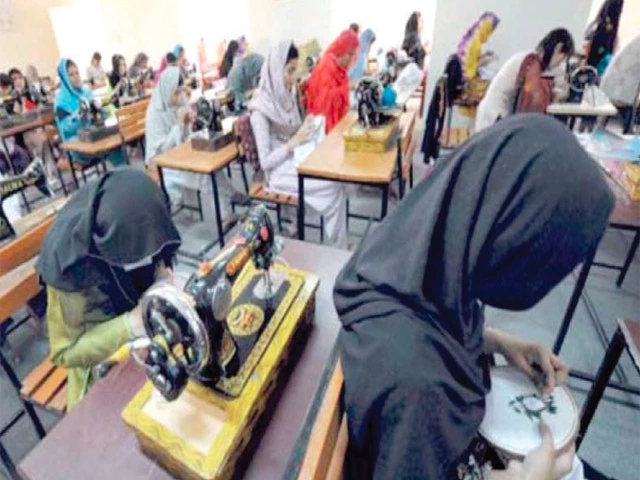
Public institutions like Technical Education and Vocational Training Authority offer training programmes, but private sector participation remains low.
Experts suggest that tax incentives and policy reforms could encourage companies to invest more in workforce development.
Possible Solutions for Improvement
Global research highlights several ways to improve human capital outcomes:
- Link training subsidies to employee retention to ensure meaningful skill development
- Invest in soft skills like communication and teamwork, which can boost productivity
- Expand apprenticeship programmes to create structured career pathways
The Way Forward
Pakistan’s human capital challenge reflects deeper structural issues in education, labour markets, and economic priorities. Without targeted reforms and greater investment in skills, the gap between potential and productivity is likely to widen further.