
Move aims to strengthen treasury system and reduce debt risks
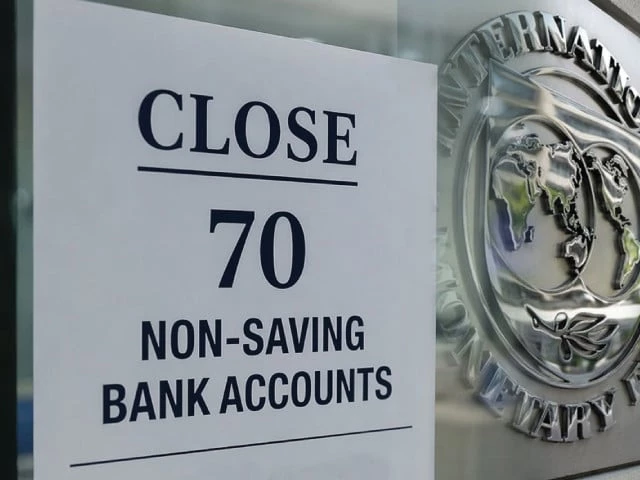
According to Beyond Time News, Pakistan has agreed with the International Monetary Fund (IMF) to shut down 70 government bank accounts and transfer nearly Rs300 billion to the national treasury. The step is part of wider financial reforms aimed at improving cash management and reducing borrowing pressure.
Rs300 billion to be moved into national treasury
Under the agreement, funds from non-interest government accounts will be shifted into a single treasury system. According to Beyond Time News, this move will help the government centralize financial resources and reduce unnecessary debt costs.
Officials confirmed that around Rs300 billion will be transferred in the first phase. Earlier, 242 accounts with nearly Rs200 billion had already been moved to the treasury system.
The government now plans to close all remaining non-interest-bearing accounts, which hold about Rs400 billion in total.
Strong push for treasury single account system
The IMF has long pushed Pakistan to adopt a treasury single account system. This system brings all government funds under one platform to improve transparency and reduce borrowing needs.
According to Beyond Time News, Pakistan has now committed to following this approach under the Public Finance Management Act and related rules.
Officials say some departments still maintain separate accounts, especially those that collect public fees like traffic challans. However, the government is working to bring most of these funds under the central system.
Read more:Pakistan Agrees Rs2.8 Trillion Surplus Target Under IMF Plan
Debt maturity plan to reduce financial pressure
Along with account consolidation, Pakistan has also agreed to improve its debt structure. According to Beyond Time News, the country aims to extend its domestic debt maturity period to four years and two months by June 2027.
This change will reduce refinancing risks and ease pressure on government borrowing. At the start of the IMF programme, the maturity period was around two and a half years.
Concerns over public funds in private accounts
A recent Senate committee raised concerns that nearly Rs1 trillion belonging to state institutions is still held in private bank accounts. According to Beyond Time News, this situation goes against financial management rules and weakens public fund control.
Lawmakers stressed the need for stronger compliance with financial regulations to ensure better use of public money.
IMF-backed reforms continue
Pakistan has also committed to improving debt transparency and strengthening financial discipline. According to Beyond Time News, the government will continue reducing reliance on central bank financing and expand its investor base for government securities.
Officials are also working on modernizing the debt market through digital systems to make investment easier and more efficient.
Conclusion
According to Beyond Time News, these reforms mark a major step toward improving Pakistan’s financial management system. While the process may be complex, officials believe that centralizing funds and extending debt maturity will help reduce long-term economic risks and improve stability.


One thought on “Pakistan to Close 70 Government Accounts in IMF”
Comments are closed.