Bishkek: Pakistan has called for enhanced regional cooperation among Shanghai Cooperation Organization (SCO) member states to address growing security challenges, including terrorism, cybercrime, narcotics trafficking, organized crime, and terror financing.
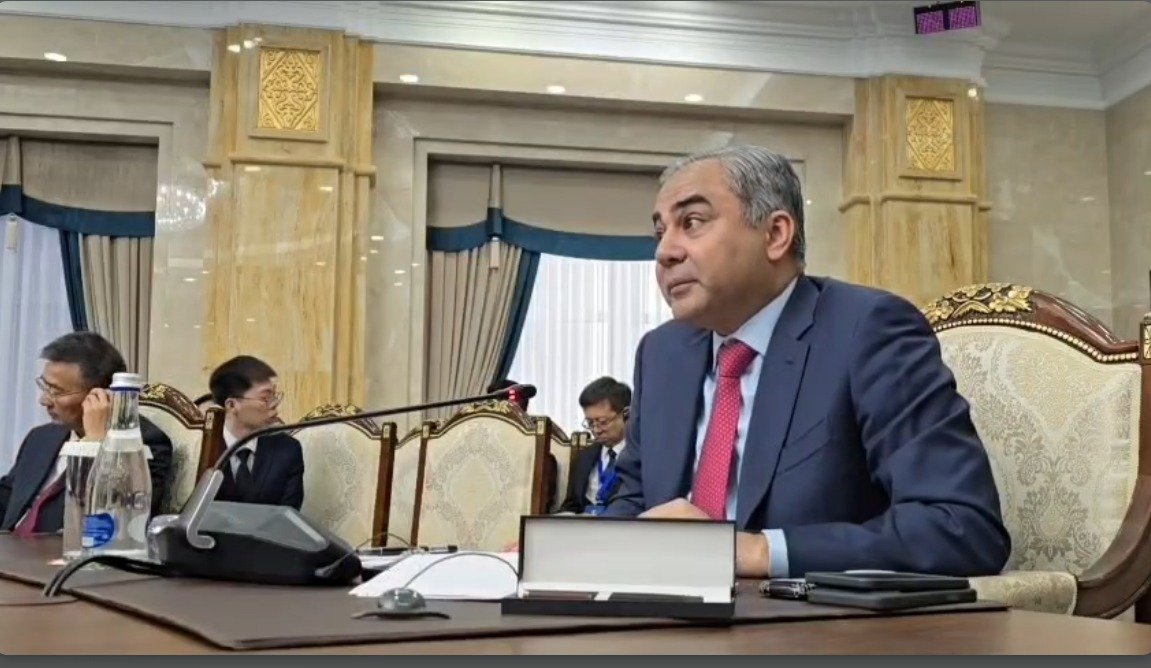
According to Beyond Time News, Interior Minister Mohsin Naqvi delivered the message while addressing a special meeting of Interior and Public Security Ministers from SCO member countries in Bishkek.
The minister emphasized that modern security threats have become increasingly interconnected and require coordinated regional responses rather than isolated national efforts.
Pakistan Calls for Collective Action
Addressing delegates at the meeting, Mohsin Naqvi stressed that criminal and terrorist networks are rapidly evolving and adapting to technological advancements.
He noted that extremist groups and organized crime networks increasingly use artificial intelligence, digital platforms, online communication channels, and cryptocurrency transactions to expand their operations.
Therefore, he urged SCO member states to strengthen intelligence-sharing mechanisms and improve institutional coordination across borders.
“Shared threats demand shared solutions,” Naqvi said, highlighting the importance of a unified regional strategy against emerging security risks.
Focus on Terrorism and Transnational Crime
The Pakistani interior minister identified terrorism and organized crime as key challenges facing the region.
He explained that cross-border criminal activities continue to pose risks to regional stability and economic development. Consequently, member countries need stronger cooperation to identify threats and respond effectively.
Furthermore, he called for deeper collaboration on joint threat assessments and coordinated security initiatives to address evolving risks.
Officials attending the meeting discussed various approaches aimed at strengthening regional security frameworks and improving collective preparedness.
Pakistan Reaffirms Commitment to SCO Principles
During his address, Naqvi reaffirmed Pakistan’s commitment to the principles of the Shanghai Cooperation Organization.
He said Pakistan remains dedicated to the “Shanghai Spirit,” which promotes mutual trust, equality, cooperation, and respect for sovereignty among member states.
Moreover, the minister highlighted Pakistan’s continued efforts to strengthen its internal security architecture and counter extremist threats.
He also noted the country’s long-standing sacrifices in the fight against terrorism and violent extremism.
National Action Plan Strengthening Security Measures
Naqvi pointed to Pakistan’s progress under the National Action Plan, which serves as the country’s primary counterterrorism framework.
According to the minister, authorities have improved intelligence coordination, enhanced border management systems, and strengthened anti-money laundering measures.
As a result, Pakistan has increased its capacity to combat terrorism, organized crime, and financial networks linked to illegal activities.
Officials believe these reforms have improved the country’s overall security preparedness while supporting broader regional stability.
Expanding Cooperation Through SCO-RATS
The minister also emphasized the importance of expanding collaboration under the SCO’s Regional Anti-Terrorist Structure (RATS).
He encouraged member states to increase intelligence sharing, conduct joint threat assessments, and strengthen efforts to counter online radicalization and extremist propaganda.
Additionally, Pakistan expressed support for regional workshops, training initiatives, and expert exchange programs designed to enhance collective capabilities.
Experts consider such cooperation increasingly important as security threats become more sophisticated and technology-driven.
Read more:IESCO Announces Scheduled Power Outages in Islamabad and Nearby Areas
Cybersecurity Emerges as Key Priority
Cybersecurity featured prominently in Naqvi’s address.
He warned that technological advancements have created new opportunities for criminal organizations and terrorist groups to exploit digital platforms.
Therefore, he called for greater cooperation in cyber intelligence, digital forensics, and cybercrime investigations.
The minister argued that stronger regional collaboration in cybersecurity can help member states identify threats more effectively and respond to emerging challenges.
Joint Efforts Needed Against Drug Trafficking
Naqvi also highlighted the continuing threat posed by narcotics trafficking.
He warned that illegal drug networks remain a major source of funding for criminal and terrorist organizations. Consequently, he urged SCO members to develop coordinated strategies against narcotics trafficking and illicit financial activities.
The minister noted that Pakistan’s Anti-Narcotics Force remains actively engaged in regional counter-narcotics initiatives and stands ready to deepen cooperation with partner countries.
Furthermore, he called for stronger action against online criminal operations and illegal financial transactions conducted through digital currencies.
Border Security and Financial Monitoring
The Pakistani minister underscored the importance of border security in maintaining regional peace and stability.
He encouraged member countries to enhance cooperation against human trafficking, improve watch-list coordination, and prevent the use of forged travel and identity documents.
In addition, Naqvi highlighted Pakistan’s efforts to strengthen anti-money laundering regulations and financial monitoring systems.
According to officials, these reforms have improved the country’s ability to detect suspicious transactions and disrupt illicit financial networks.
Pakistan Invites SCO Members to Islamabad Summit
Concluding his address, Mohsin Naqvi emphasized that no country can effectively tackle transnational threats alone.
He said SCO member states share common security challenges and must work together to build a peaceful, secure, and stable region.
The minister also invited participating countries to Islamabad for the SCO Summit scheduled for 2027.
He expressed confidence that deeper cooperation among member states would contribute to lasting regional security, economic development, and prosperity.
FAQs
What message did Pakistan deliver at the SCO meeting?
Pakistan called for stronger regional cooperation to combat terrorism, cybercrime, organized crime, narcotics trafficking, and terror financing.
Who represented Pakistan at the meeting?
Interior Minister Mohsin Naqvi represented Pakistan at the SCO Interior and Public Security Ministers’ meeting in Bishkek.
What security challenges did Pakistan highlight?
Pakistan highlighted terrorism, cybercrime, organized crime, drug trafficking, online radicalization, and illicit financial activities.
What is the SCO Regional Anti-Terrorist Structure (RATS)?
RATS is a specialized SCO mechanism that promotes cooperation among member states on counterterrorism and security-related matters.
When will Pakistan host the SCO Summit?
Pakistan is scheduled to host the SCO Summit in Islamabad in 2027.
#Pakistan #SCO #MohsinNaqvi #RegionalSecurity #CounterTerrorism #CyberSecurity #OrganizedCrime #DrugTrafficking #SCO2027 #InternationalRelations