
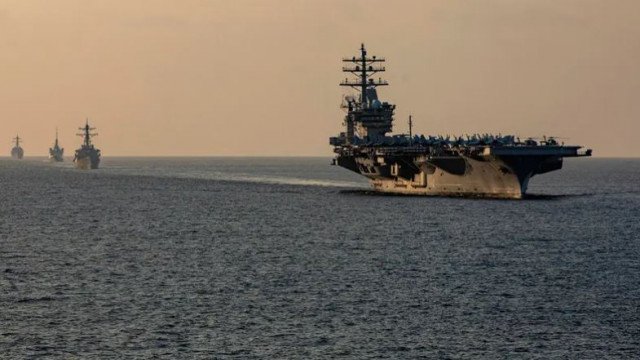
As tensions in the Middle East reshape global dynamics, Pakistan finds itself in a complex position—facing both economic pressure and unexpected opportunities. According to Beyond Time News, the ongoing conflict involving Iran and the United States, along with disruptions in the Strait of Hormuz, is already impacting energy markets, trade routes, and investor confidence.
Rising Costs: Energy Crisis and Economic Pressure
The biggest immediate challenge comes from energy. Pakistan relies heavily on oil shipments that pass through the Strait of Hormuz. Any prolonged disruption threatens fuel supplies and electricity generation.
Global oil prices have surged, pushing up petrol, diesel, and kerosene costs locally. As a result:
- Fuel prices in Pakistan have hit record highs
- The import bill continues to grow
- Pressure on foreign exchange reserves is increasing
- The Pakistani rupee faces further depreciation
To manage the situation, the government may continue targeted subsidies for vulnerable groups like farmers and transport workers. However, limited fiscal space makes long-term relief difficult.
Market Volatility and Investment Risks
The crisis has also shaken financial markets. The Pakistan Stock Exchange (PSX) has shown sharp fluctuations, reacting quickly to geopolitical developments.
At one point, optimism around a ceasefire pushed the market up significantly. But renewed tensions erased much of those gains.
This uncertainty has led to:
- Reduced investor confidence
- Higher risk premiums
- Increased cost of doing business
- Delays in long-term investment decisions
Companies are now stockpiling raw materials instead of relying on efficient supply chains. This shift raises operational costs and puts additional strain on businesses.
A Hidden Opportunity: Transshipment Boom
Despite the challenges, Pakistan is seeing a surprising benefit—growth in transshipment activity at its ports.
With instability in the Gulf region, shipping companies are redirecting cargo through Pakistani ports. Authorities have supported this shift by offering:
- Lower port charges
- Better cargo handling facilities
- Improved logistics support
As a result, Karachi Port has handled more transshipment cargo in just a few weeks than it did in the entire previous year.
If managed well, this trend could turn Pakistan into a major regional logistics hub.
Read more:PSX Falls 2% as Geopolitical Tensions and Energy Crisis Weigh on Market
Clean Energy Shift Gains Momentum
The crisis has also accelerated Pakistan’s transition toward renewable energy, especially solar power.
Rising electricity costs and unreliable grid supply have pushed households and businesses to adopt solar solutions. Key developments include:
- Rapid growth in rooftop solar installations
- Increased industrial use of solar energy
- Expansion of solar-powered irrigation systems
Pakistan imported over 22GW of solar panels in 2024 alone. This shift reduces dependence on imported fuel and helps stabilize long-term energy costs.
However, there is a downside. Wealthier households benefit more from solar adoption, while lower-income groups still rely on expensive grid electricity.
The Bigger Picture
Pakistan stands at a critical moment. The ongoing conflict brings serious economic risks, including inflation, energy shortages, and financial instability.
At the same time, it opens doors to:
- Becoming a regional transshipment hub
- Accelerating clean energy adoption
- Reducing long-term reliance on imported fuels
The direction Pakistan takes now—through smart policies and strategic planning—will determine whether it simply survives this crisis or turns it into a long-term advantage.
One thought on “Pakistan’s Economy at a Crossroads: War Costs Rise”
Comments are closed.