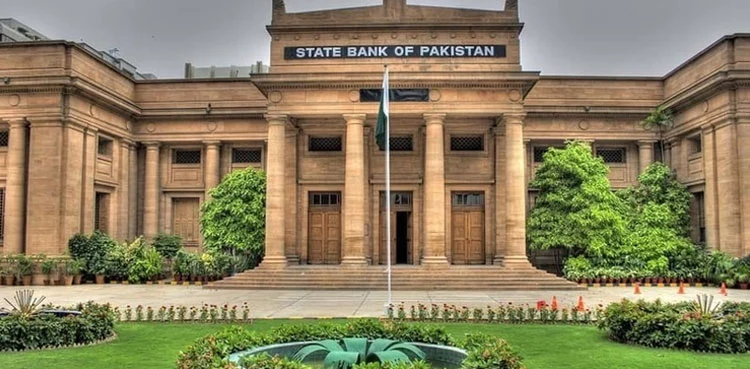
Karachi — Pakistan’s foreign exchange reserves have shown a strong upward trend, crossing the $17 billion mark at the State Bank of Pakistan (SBP), supported by IMF inflows and external financing.
According to Beyond Time News, the latest weekly data reflects improved financial stability as the country continues to strengthen its external account position amid ongoing economic reforms and international support programs.
The increase comes as a positive signal for Pakistan’s economy, which has been under pressure due to external debt repayments, inflationary challenges, and global financial uncertainties. The latest rise in reserves highlights renewed inflows and improved liquidity management by the central bank.
SBP Foreign Reserves Jump by Over $1.2 Billion in One Week
The State Bank of Pakistan reported a significant weekly increase of $1.214 billion, taking its foreign exchange reserves to $17.081 billion for the week ending May 15, 2026.
This sharp increase reflects improved external funding inflows and ongoing support from multilateral institutions.
At the same time, Pakistan’s total liquid foreign reserves stood at $22.588 billion, showing an overall strengthening of the country’s external financial position.
Out of the total reserves:
- State Bank of Pakistan (SBP) holdings: $17.081 billion
- Commercial banks’ net reserves: $5.507 billion
This balanced growth indicates that both official and private banking channels contributed to the improved reserve position.
Why Did Pakistan’s Foreign Reserves Increase?
The SBP clarified that the rise in reserves was mainly driven by multiple inflows during the week.
According to the central bank, the increase was primarily due to:
- Funds received from the International Monetary Fund (IMF)
- Inflows under the Extended Fund Facility (EFF)
- Support under the Resilience and Sustainability Facility (RSF)
- Proceeds generated through Panda Bond issuance
- Partially offset by external debt repayments
These combined financial movements resulted in a net positive impact on the country’s foreign exchange reserves.
The central bank’s statement highlighted that the inflows played a key role in stabilizing Pakistan’s external account position during the reporting week.
IMF Disbursement Strengthens External Position
A major contributor to the reserve boost was the latest disbursement from the International Monetary Fund.
Pakistan received approximately $1.32 billion after the IMF Executive Board completed the third review under the Extended Fund Facility (EFF).
The disbursement included:
- Around $1.1 billion under the EFF program
- Approximately $220 million under the RSF program
This funding support has provided crucial breathing space for Pakistan’s external sector, helping strengthen foreign reserves and support balance-of-payments stability.
Pakistan’s 37-month EFF program, approved on September 25, 2024, is designed to support macroeconomic stability, improve fiscal discipline, and promote long-term sustainable growth.
According to Beyond Time News, the continued engagement with the IMF reflects Pakistan’s commitment to structural reforms and financial stabilization.
Economic Impact of Rising Foreign Reserves
The increase in foreign reserves is more than just a statistical improvement—it carries significant economic implications for Pakistan.
1. Improved Currency Stability
Higher reserves help support the value of the Pakistani rupee by strengthening the country’s ability to manage foreign exchange demand and supply.
2. Debt Repayment Capacity
Stronger reserves enhance Pakistan’s ability to meet external debt obligations on time, reducing default risk and improving investor confidence.
3. Boost in Market Confidence
Financial markets often respond positively to rising reserves, as it signals macroeconomic stability and improved fiscal management.
4. Support for Imports
Adequate reserves ensure the country can finance essential imports, including energy, machinery, and raw materials required for industry.
Role of External Financing and Policy Measures
Pakistan’s recent economic progress has been supported by a combination of external financing and policy adjustments.
Key contributors include:
- IMF program-linked inflows
- Bilateral and multilateral support
- Issuance of international financial instruments such as Panda Bonds
- Ongoing fiscal consolidation efforts
- Tightened monetary policies to manage inflation and stabilize exchange rates
These measures collectively aim to restore macroeconomic balance and build long-term resilience in the financial system.
Challenges Still Ahead
Despite the encouraging rise in reserves, Pakistan continues to face several economic challenges.
Some of the key concerns include:
- High external debt servicing requirements
- Inflationary pressures on households and businesses
- Dependence on external financing
- Structural reforms needed in taxation and energy sectors
- Exchange rate volatility risks
Experts suggest that while short-term improvements are visible, long-term stability will depend on sustained reforms and export-led growth.
SBP Releases Latest Currency Exchange Rates for May 14, 2026
Outlook for Pakistan’s Economy
The recent surge in foreign exchange reserves offers a cautiously optimistic outlook for Pakistan’s economy.
If current inflows continue and reform targets under the IMF program remain on track, Pakistan may be able to further strengthen its external buffers in the coming months.
According to Beyond Time News, maintaining this momentum will be crucial for ensuring long-term financial stability and reducing reliance on emergency external support.
Conclusion
Pakistan’s rise in foreign exchange reserves to over $17 billion at the SBP level marks a positive development for the country’s financial outlook. Supported by IMF inflows, bond proceeds, and improved external financing, the latest data reflects growing stability in the external sector.
While challenges remain, the upward trend in reserves signals progress in economic management and renewed international confidence in Pakistan’s reform path.