
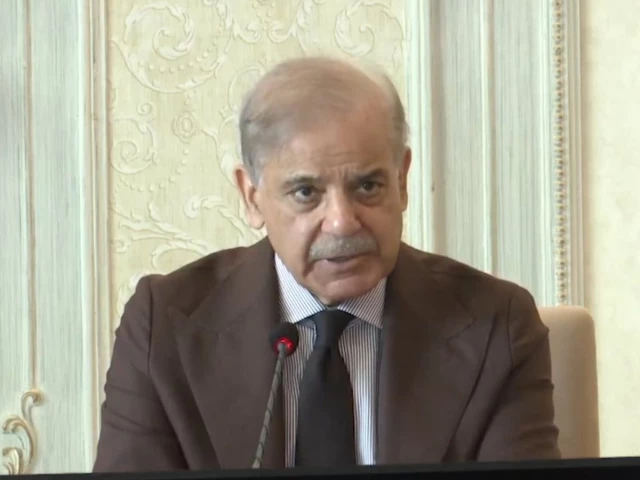
Islamabad: Prime Minister Shehbaz Sharif has called on all parties involved in the escalating Iran-Israel conflict to exercise restraint and prioritize diplomacy, warning that renewed violence could undermine ongoing efforts to secure lasting peace in the Middle East.
According to Beyond Time News, the prime minister emphasized that a peaceful resolution remains within reach and urged regional stakeholders to avoid actions that could derail diplomatic progress.
PM Shehbaz Stresses Need for Diplomacy
In a statement shared on social media platform X, Prime Minister Shehbaz Sharif expressed concern over the latest exchange of attacks between Iran and Israel.
He described the recent escalation as a reminder of how fragile ceasefires can be and warned about the devastating consequences of prolonged conflict.
The premier said that regional partners and allies continue to work toward a diplomatic solution. Therefore, he urged all sides to show patience and give peace negotiations an opportunity to succeed.
He further emphasized that dialogue and diplomacy offer a more sustainable path forward than military confrontation.
Renewed Hostilities Raise Regional Concerns
The prime minister’s remarks came after Iran and Israel exchanged attacks for the first time since a ceasefire took effect two months ago.
The latest violence heightened fears of a broader regional conflict and drew international attention.
Israeli authorities reported carrying out strikes on Iranian targets after missiles were launched toward Israeli territory late Sunday.
Meanwhile, Iranian officials stated that their missile attacks responded to Israeli operations targeting Hezbollah-linked locations near Beirut.
Strategic Sites Targeted During Escalation
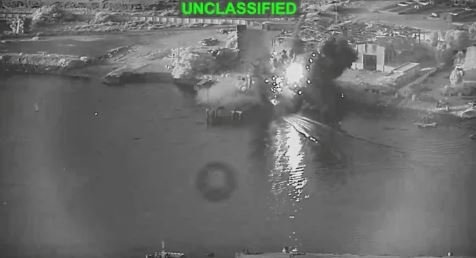
Reports indicated that Israel struck a petrochemical facility in southwestern Iran, claiming the site played a role in ballistic missile production.
In response, Iran’s Islamic Revolutionary Guard Corps (IRGC) announced a retaliatory strike targeting a similar facility in the Israeli city of Haifa.
The exchange marked one of the most significant confrontations between the two rivals since the ceasefire agreement was implemented earlier this year.
US Calls for Immediate De-escalation
Amid growing tensions, US President Donald Trump urged both countries to halt military actions immediately.
His appeal focused on preventing further escalation and preserving regional stability.
Following international diplomatic pressure, both Iran and Israel later indicated that they had suspended further attacks.
However, Iranian officials warned that they could resume military action if Israeli operations against Hezbollah positions in Lebanon continued.
Economic Markets React to Middle East Tensions
The renewed hostilities also affected global financial markets.
Oil prices initially surged by as much as five percent amid concerns that escalating tensions could disrupt energy supplies in the region.
However, prices eased later after Iranian military officials signaled that their initial round of attacks had concluded.
At the same time, the US dollar retreated from recent highs as investors reassessed geopolitical risks.
Read more:PM Shehbaz Sharif Reviews National Security Situation, Calls for Unified Law and Order Strategy
Pakistan Reaffirms Support for Peaceful Solutions
Pakistan has consistently advocated diplomatic engagement and peaceful conflict resolution in regional and international disputes.
Prime Minister Shehbaz Sharif’s latest statement reflects Islamabad’s broader position that dialogue remains the most effective way to address complex security challenges.
Analysts note that continued diplomatic engagement by regional and global powers will be crucial in preventing further instability in the Middle East.
Global Attention Focused on Next Steps
As tensions remain high, world leaders continue to monitor developments closely.
Diplomatic efforts are expected to intensify in the coming days as governments seek to prevent another cycle of violence that could threaten regional security and economic stability.
The coming weeks may prove critical in determining whether recent peace efforts can withstand the latest challenges.
Conclusion
Prime Minister Shehbaz Sharif’s call for restraint highlights growing international concern over the renewed Iran-Israel confrontation. While both countries have signaled a pause in hostilities, the situation remains fragile. With diplomacy still offering a viable path toward stability, global leaders continue urging all sides to avoid escalation and support peaceful dialogue.
FAQs
What did Prime Minister Shehbaz Sharif say about the Iran-Israel conflict?
He urged all parties to exercise restraint, avoid further violence, and continue pursuing diplomatic solutions.
Why did tensions rise again between Iran and Israel?
The escalation followed missile attacks, retaliatory strikes, and disputes involving Hezbollah-linked targets in Lebanon.
What role did the United States play?
US President Donald Trump called on both sides to stop military actions and support de-escalation efforts.
How did the conflict affect global markets?
Oil prices initially rose due to fears of supply disruptions, while financial markets reacted to growing geopolitical uncertainty.
What is Pakistan’s position on the conflict?
Pakistan supports diplomacy, peaceful dialogue, and negotiated solutions to regional disputes.
#ShehbazSharif #IranIsraelConflict #MiddleEastNews #PakistanNews #Diplomacy #GlobalPolitics #PeaceTalks #InternationalRelations #BreakingNews #WorldNews

One thought on “PM Shehbaz Sharif Urges Restraint as Iran-Israel Tensions Threaten Fragile Peace Efforts”
Comments are closed.