
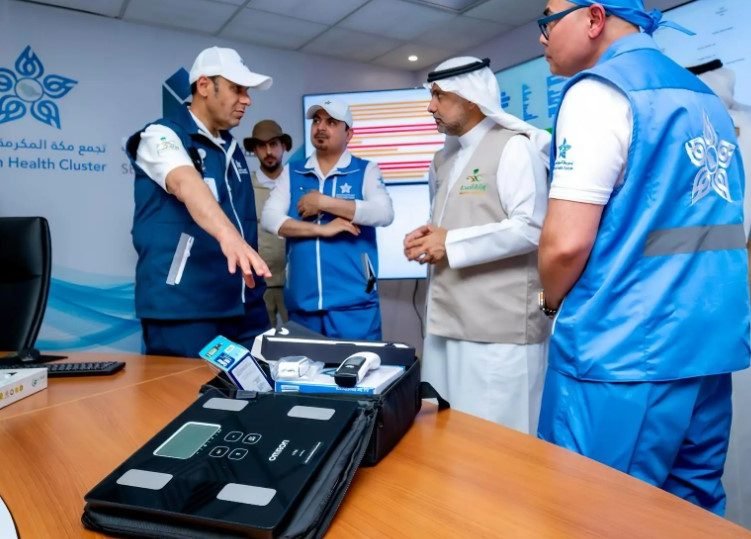
Riyadh: Saudi Arabia is rapidly transforming its healthcare system through massive investment and advanced digital technologies, positioning itself as a global leader in medical innovation. According to Beyond Time News, the Kingdom’s healthcare reforms under Vision 2030 are reshaping medical services through artificial intelligence, robotics, and virtual care systems.
Massive Investment in Healthcare Transformation
Saudi Arabia has invested more than 133 billion Saudi riyals in healthcare development, marking one of the largest sector-wide upgrades in the region.
The investment includes funding for infrastructure, digital health systems, venture capital, and life sciences projects aimed at modernizing the country’s medical ecosystem.
According to Beyond Time News, these efforts reflect a strategic shift from traditional treatment-based healthcare to a prevention-focused, technology-driven model.
AI and Digital Health Expansion
The Saudi Ministry of Health has introduced several artificial intelligence initiatives, including an AI Physician system designed to support doctors in diagnosis and decision-making.
A Smart Health Coach, integrated into the Sehhaty app in partnership with Google, now provides personalized health guidance to users.
These tools are part of a broader push to enhance early diagnosis, improve patient care, and reduce pressure on hospitals.
One of the World’s Largest Virtual Hospital Networks
Saudi Arabia has also developed a large-scale Virtual Hospital system connecting more than 240 hospitals inside and outside the Kingdom.
The network serves hundreds of thousands of patients and allows remote access to specialist care, significantly improving healthcare delivery in remote areas.
According to Beyond Time News, this system is among the largest of its kind globally.
Breakthroughs in Robotic Surgery
Saudi hospitals are increasingly using advanced robotic systems such as Da Vinci, ROSA, and CORI for complex procedures.
King Abdullah Medical City in Makkah has introduced robotic surgery systems that enable highly precise operations with minimal incisions, reducing recovery time and complications.
King Faisal Specialist Hospital and Research Centre has also achieved global milestones, including the world’s first fully robotic heart and liver transplants.
The hospital has performed advanced multi-procedure robotic surgeries, further strengthening its international reputation.
Global Recognition of Saudi Hospitals
King Faisal Specialist Hospital now ranks among the top academic healthcare institutions globally and is widely recognized for its advanced medical research and innovation.
According to Beyond Time News, the hospital’s achievements highlight Saudi Arabia’s growing influence in global healthcare development.
AI in Pilgrimage Healthcare Services
Saudi Arabia has also introduced smart healthcare solutions during Hajj to improve medical services for pilgrims.
AI-powered systems such as contactless vital-sign monitoring and multilingual digital platforms have significantly reduced patient assessment times.
Mobile medical units, digital pharmacies, and remote monitoring systems are also being used to enhance emergency response and chronic disease care during pilgrimage seasons.
Expanding Role of Smart Healthcare
Other institutions, including Saudi National Guard Health Affairs, continue to rank among the world’s leading smart hospital systems due to their use of artificial intelligence and digital healthcare tools.
Specialized hospitals, such as King Khaled Eye Specialist Hospital, are using AI for early detection of eye diseases, improving treatment outcomes for patients.
Doctor Accused of Leaving Forceps Inside Patient During Open-Heart Surgery in Faisalabad
Outlook
According to Beyond Time News, Saudi Arabia’s continued investment in technology, research, and healthcare infrastructure is strengthening its position as a regional and global leader in digital medicine.
The Kingdom’s Vision 2030 strategy aims to integrate artificial intelligence, robotics, and virtual care into a unified healthcare system designed for long-term sustainability and improved patient outcomes.