
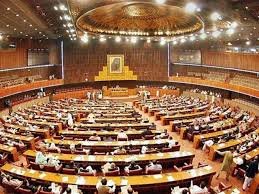
The Senate Standing Committee on Human Rights on Thursday reviewed conviction rates and broader challenges in Pakistan’s justice and human rights system, including security concerns, gender inequality, and delays in legal proceedings.
The meeting, chaired by Senator Samina Zehri, was briefed by the Human Rights Secretary on national conviction trends, which stood at around 4% in 2020, with officials claiming gradual improvement in later years.
Provincial Rape Conviction Rates Highlight Gaps
Data presented to the committee showed wide provincial disparities in rape conviction rates across Pakistan:
- Sindh: 22%
- Balochistan: 12%
- Islamabad: 6.9%
- Khyber Pakhtunkhwa: 6%
- Punjab: 4%
Lawmakers expressed concern over the low conviction rates and delays in delivering justice.
Lawmakers Criticise Justice System
Members of the committee questioned systemic inefficiencies, with Senator Khalil Tahir asking why justice cannot be delivered swiftly when crimes are committed in minutes.
Senator Abid Sher Ali raised concerns about inconsistent application of anti-terror laws, arguing that different standards are applied depending on the accused. He also pointed to cases where courts grant bail in serious incidents, saying the system often favours the powerful.
Punjab’s prosecutor general responded that legal provisions are applied when attacks involve law enforcement personnel.
Concerns Over Extremism and the Jaranwala Incident
The committee also discussed the Jaranwala incident, condemning attacks on the Christian community and places of worship.
Lawmakers stressed the need to curb religious extremism and strengthen protections for minority communities.
PTI-backed Raja Nasir Abbas appointed Opposition Leader in Senate
Policing and Judicial Accountability Raised
Senator Aimal Wali Khan criticised weaknesses in the policing system, calling it deeply compromised. He also questioned accountability within the judiciary, arguing that corruption allegations must be addressed openly.
Gender Gap and Education Crisis Highlighted
The Human Rights Secretary also briefed the committee on Pakistan’s gender and education indicators, noting that the country ranks at the bottom of the Global Gender Gap Index among 148 countries.
He said approximately 26 million children remain out of school, with girls facing higher dropout rates after primary education.
The briefing also highlighted modest improvements in women’s participation in civil services, now estimated at 44–47%, along with policy steps requiring female representation on corporate boards.
One thought on “Senate Panel Flags Justice Delays, Security Gaps, and Gender Inequality in Pakistan”
Comments are closed.