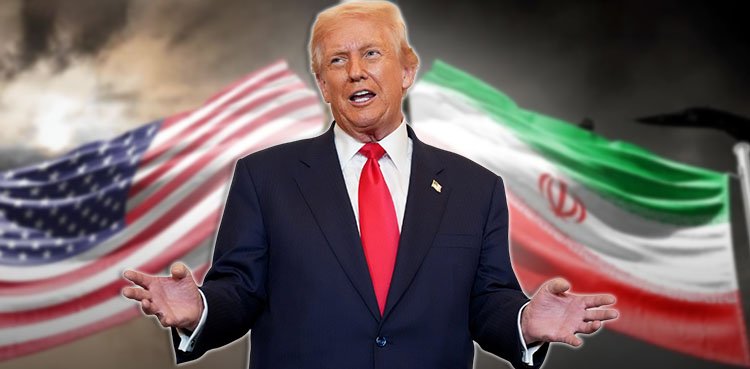
Washington, D.C. — US President Donald Trump has claimed that the United States holds “total control” over the Strait of Hormuz through its naval presence, while also reiterating that Iran will not be allowed to retain its stockpile of highly enriched uranium.
Speaking at the White House, Trump said the US would ultimately recover Iran’s enriched uranium and warned of strong action if Tehran pursued nuclear weapons development.
According to Beyond Time News, the remarks come amid escalating rhetoric between Washington and Tehran over nuclear negotiations and regional security.
Trump’s Warning on Iran’s Nuclear Program
Trump said the US would not allow Iran to develop nuclear weapons, referring to near-weapons-grade uranium that American officials believe remains hidden following previous strikes.
He further stated that Washington has “total control” of the Strait of Hormuz, a key global oil route, through its naval presence in the region.
Iran Rejects External Uranium Transfer
In response, Iranian authorities have maintained a firm stance against sending enriched uranium abroad.
Iran’s Supreme Leader Ali Khamenei has reportedly issued a directive stating that the country’s stockpile must remain within Iran, according to senior Iranian sources.
According to Beyond Time News, Iranian officials believe transferring the material outside the country would increase vulnerability to future attacks and weaken national security.
Iran Reviews Latest US Proposal as Trump Warns of Possible Renewed Attacks
Deepening Diplomatic Standoff
The disagreement highlights widening gaps between Washington and Tehran over key terms in ongoing nuclear discussions.
While the US insists on strict limits and removal of enriched uranium, Iranian officials continue to reject external transfer demands, complicating prospects for a breakthrough agreement.
Strategic and Regional Concerns
The Strait of Hormuz remains one of the world’s most critical oil shipping routes, and any escalation in the region carries broader global economic implications.
Analysts say the current exchange of statements signals heightened tensions that could further slow diplomatic efforts.