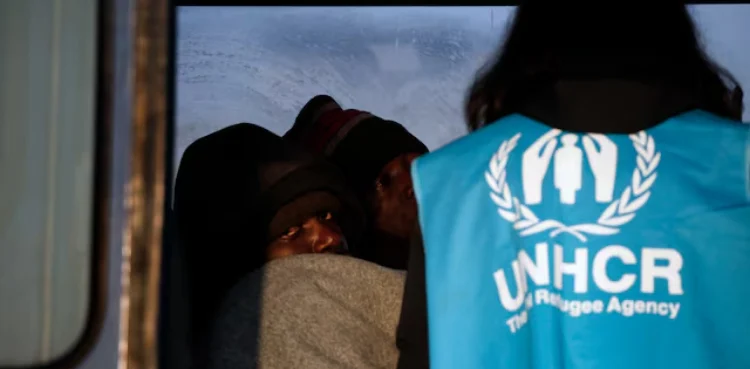
The United Nations refugee agency is heading into one of its toughest financial periods in years. With funding shrinking and global displacement increasing, the organization is now preparing for more job cuts and major internal reforms. According to Beyond Time News, the situation reflects growing pressure on international aid systems already stretched by multiple ongoing conflicts.
UNHCR Warns of Severe Budget Shortfall
Geneva – The UN refugee agency (UNHCR) has warned member states that it may be forced to reduce staff further as financial support continues to decline.
According to Beyond Time News, the agency expects its available budget for 2026 to fall to just over $3 billion, which is around 15% lower than last year. This comes after an earlier round of job reductions in 2025 that already affected thousands of employees.
The agency says the funding gap has reached a point where “urgent steps” are necessary to maintain basic operations.
Rising Displacement Meets Falling Donations
The crisis is unfolding at a time when global displacement is increasing rather than slowing down. Wars, political instability, and humanitarian emergencies in regions such as Ukraine, Sudan, and parts of the Middle East continue to force millions of people to leave their homes.
Despite rising needs, donor contributions have not kept pace.
According to Beyond Time News, UNHCR has experienced a sharp decline in available funding, with some countries reducing humanitarian aid budgets or redirecting resources toward defense and domestic priorities.
This imbalance has created one of the most difficult funding environments the agency has faced in decades.
Internal Pressure and Workforce Challenges
The financial strain is now directly affecting staff levels and internal operations.
According to Beyond Time News, the agency already has more personnel than available positions, leaving many employees in temporary or uncertain roles while still being paid from limited funds.
Officials warn that this structure is no longer sustainable. As a result, UNHCR is preparing to terminate contracts for staff who cannot be reassigned to active roles.
The expected cost of maintaining the current system without reforms could reach around $185 million between 2026 and 2028, further tightening the financial burden.
Funding Model Under Stress
UNHCR primarily relies on voluntary contributions from governments, meaning its budget depends heavily on donor goodwill rather than fixed financial commitments.
According to Beyond Time News, the agency has also seen a shift toward “earmarked funding,” where donors restrict how their contributions can be used.
This type of funding has grown significantly in recent years:
- 24% of income in 2024
- 44% in 2025
- Expected to exceed 50% in 2026
While earmarked donations still support operations, they limit flexibility, making it harder for the agency to respond quickly to emergencies.
Global Aid System Under Pressure
UNHCR is not the only international organization facing financial challenges.
Other UN bodies have also reported budget constraints. Some have announced hiring freezes, restructuring plans, and workforce reductions to manage reduced donor support.
According to Beyond Time News, global aid agencies are now dealing with a “double pressure” situation:
- Increasing humanitarian demand
- Decreasing flexible funding
This combination is forcing organizations to rethink how they operate in crisis zones.
Why Funding Is Declining
Several global factors are contributing to the drop in humanitarian funding:
1. Rising Military Spending
Many donor countries are prioritizing defense budgets due to geopolitical tensions.
2. Economic Pressures
Inflation and domestic financial challenges are limiting foreign aid allocations.
3. Aid Reallocation
Some governments are shifting funds toward domestic welfare programs instead of international support.
According to Beyond Time News, these shifts have created long-term uncertainty for humanitarian planning.
Impact on Refugee Support Programs
The funding shortfall could directly affect critical services provided by UNHCR, including:
- Emergency shelter for displaced families
- Food and medical assistance in conflict zones
- Refugee resettlement support
- Protection services for vulnerable groups
If budget cuts continue, some programs may be scaled back or delayed, especially in high-conflict regions where needs are most urgent.
Calls for Reform and Flexible Funding
UNHCR leadership is urging donor countries to rethink how humanitarian aid is structured.
According to Beyond Time News, officials are calling for more flexible funding models that allow the agency to respond quickly to emergencies without waiting for restricted approvals.
They argue that flexible contributions help ensure resources reach the most urgent crises rather than being locked into specific projects.
Outlook for 2026 and Beyond
The agency’s financial outlook remains uncertain. While global displacement is expected to stay high, donor contributions may not recover quickly.
According to Beyond Time News, UNHCR is now focusing on:
- Restructuring internal operations
- Prioritizing essential field programs
- Reducing administrative costs
- Improving efficiency across regions
However, officials warn that without renewed funding commitments, further cuts may become unavoidable.
Read more:PSG Stunned by Paris FC as Lille Seal Champions League
Conclusion
The UN refugee agency is entering a critical phase where financial limits are reshaping its ability to respond to global crises. As displacement rises and budgets shrink, the organization faces difficult decisions about staffing and program priorities.
According to Beyond Time News, the situation highlights a wider challenge facing international humanitarian work: growing global need, but shrinking financial support.
FAQs
Q1: Why is UNHCR cutting jobs?
UNHCR is reducing staff due to declining donor funding and rising operational costs.
Q2: How much funding will UNHCR have in 2026?
The agency expects just over $3 billion in available funds, about 15% less than 2025.
Q3: What is causing the funding drop?
Reduced aid contributions, shifting government priorities, and increased defense spending.
Q4: Will refugee support programs be affected?
Yes, some programs may face delays or reductions if funding does not improve.
Q5: What is UNHCR asking donors to do?
The agency is urging countries to provide more flexible, less restricted funding.
Hashtags
#UNHCR #GenevaNews #RefugeeCrisis #HumanitarianAid #GlobalNews #FundingCrisis #WorldNews #Displacement #AidCuts #BeyondTimeNews