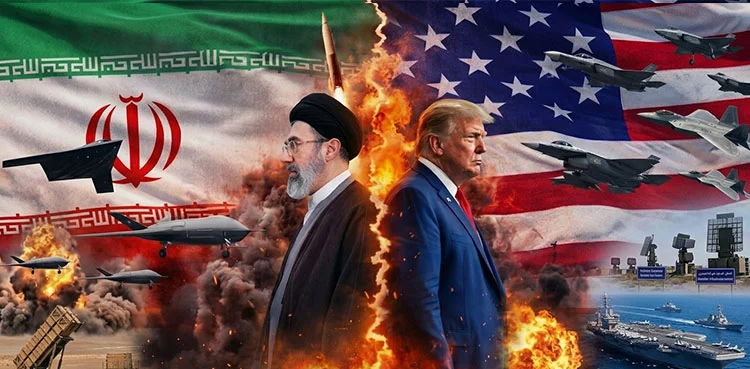
New US airstrikes in southern Iran have heightened tensions in the Gulf region, casting fresh uncertainty over ongoing diplomatic efforts between Washington and Tehran.
According to Beyond Time News, the latest military operation targeted sites allegedly linked to Iranian drone activity and naval mine deployment near the Strait of Hormuz — a strategically vital global oil transit route.
The strikes come at a critical time as international efforts continue to prevent further escalation following months of military confrontations and fragile ceasefire negotiations between the two countries.
US Targets Drone Facilities and Naval Assets
The United States Central Command (CENTCOM) confirmed that American forces carried out what it described as “self-defense” strikes against multiple Iranian military targets in southern Iran.
US officials said the operation focused on drone-launch facilities, missile infrastructure, and vessels suspected of preparing to lay naval mines near the Strait of Hormuz.
According to Beyond Time News, US military assessments concluded that Iranian activity in the area posed a direct threat to American troops and naval forces operating in the Gulf.
CENTCOM spokesperson Captain Timothy Hawkins stated that US forces were continuing to act cautiously despite rising tensions.
He said the military remained committed to protecting American personnel while seeking to avoid a broader regional confrontation.
Strait of Hormuz Back in Focus
The Strait of Hormuz remains one of the world’s most strategically sensitive waterways, carrying a significant share of global oil exports through the Gulf.
Any military activity near the narrow shipping corridor often triggers international concern due to its potential impact on global energy markets and maritime security.
Security analysts warn that allegations involving naval mines could increase fears of disruption to commercial shipping routes, potentially affecting oil prices and regional stability.
The latest developments have once again placed the Gulf region under intense international scrutiny.
Fragile Diplomacy Faces New Challenges
The renewed strikes have also raised questions about the future of ongoing diplomatic efforts between Iran and the United States.
According to Beyond Time News, recent negotiations had shown limited signs of progress after nearly three months of heightened conflict and regional instability.
However, analysts say continued military exchanges risk undermining trust and complicating already delicate ceasefire discussions.
Despite the tensions, both sides appear to be maintaining diplomatic communication through indirect channels and regional mediators.
White House Rejects Iranian State Media Report
Meanwhile, the White House dismissed claims aired by Iranian state television regarding an alleged draft agreement between Tehran and Washington.
US officials denied reports suggesting that both countries had reached an initial framework for a memorandum of understanding.
The White House described the reported document as “a complete fabrication,” reinforcing the deep mistrust that continues to define relations between the two nations.
The conflicting narratives highlight the ongoing uncertainty surrounding diplomatic negotiations and possible future agreements.
Pakistan Continues Mediation Role
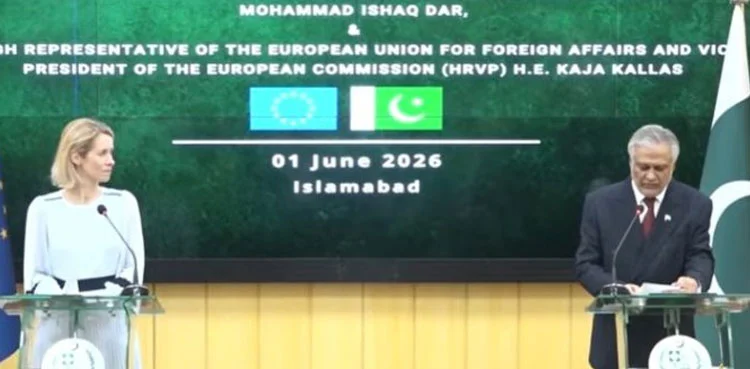
Pakistan has continued its diplomatic efforts to reduce tensions between Iran and the United States.
Earlier this month, Iran, the United States, and mediator Pakistan acknowledged that some progress had been achieved in talks aimed at easing the conflict.
Iranian officials said discussions remain focused on finalising a memorandum of understanding that could help stabilise the situation and reduce the risk of further military escalation.
According to Beyond Time News, Iran’s senior negotiator Mohammad Baqer Qalibaf and Foreign Minister Abbas Araqchi recently held discussions with Pakistan Army Chief General Asim Munir as part of ongoing diplomatic consultations.
Regional observers view Pakistan’s mediation efforts as an important attempt to maintain dialogue and prevent a wider conflict in the Middle East.
Iran Warns US Bases in Gulf No Longer Safe as Tensions Rise Despite Ongoing Peace Talks
Rising Concerns Over Regional Stability
The latest US military action is expected to provoke strong reactions from Tehran and may further complicate efforts to maintain the fragile ceasefire.
Experts warn that repeated military incidents in the Gulf increase the risk of miscalculation at a time when regional tensions remain extremely high.
While both countries continue to publicly signal interest in avoiding a full-scale war, the situation remains volatile, with diplomacy and military pressure unfolding simultaneously.
As negotiations continue behind closed doors, the coming weeks are likely to play a critical role in determining whether dialogue can prevail over confrontation.