Karachi: Gold prices in Pakistan have fallen sharply after reaching record highs earlier this year, leaving many investors wondering whether the decline marks a temporary correction or the beginning of a longer trend.
According to Beyond Time News, market analysts believe the recent drop is the result of several global and domestic factors, including easing geopolitical tensions, high interest rates, a stronger US dollar, and changing investor preferences.
Although prices have retreated from their historic peaks, experts point out that gold remains significantly more expensive than it was just a few years ago.
Gold Prices Retreat After Historic Rally
Gold experienced a remarkable surge during the first half of the year as investors sought safe-haven assets amid global uncertainty.
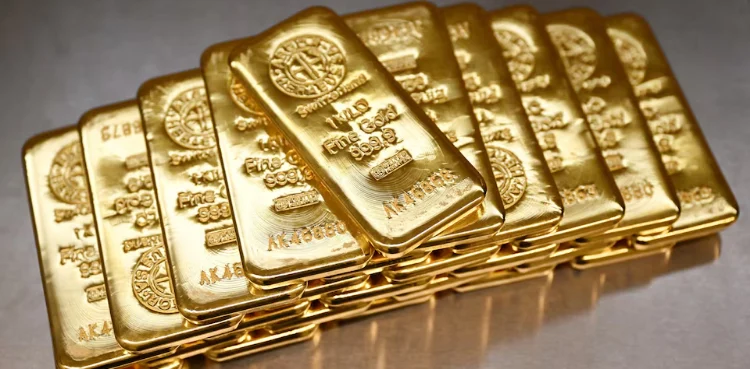
International gold prices climbed to around $5,500 per ounce, while Pakistan’s per tola price crossed Rs500,000 for the first time.
Since then, prices have eased considerably. Gold is now trading near $4,000 per ounce in international markets, while the domestic price has declined to around Rs419,000 per tola.
Silver has followed a similar path. After reaching nearly Rs12,000 per tola, it has fallen to approximately Rs6,000.
Even with these declines, precious metals remain far above the levels seen two or three years ago, when gold traded at roughly $2,000 per ounce.
Why Are Gold Prices Falling?
Analysts say there is no single reason behind the recent decline. Instead, several economic developments have combined to reduce demand for gold.
1. Easing Geopolitical Tensions
Gold often performs well during periods of political uncertainty because investors view it as a safe store of value.
Earlier this year, geopolitical tensions encouraged investors to move money into gold and silver. As concerns have eased in recent weeks, demand for these safe-haven assets has weakened.
With financial markets becoming more stable, many investors are returning to riskier investments that offer higher potential returns.
2. Higher Interest Rates
One of the biggest factors affecting gold is the level of interest rates.
According to Beyond Time News, central banks, particularly the US Federal Reserve, have maintained relatively high interest rates to keep inflation under control.
Unlike bonds or savings accounts, gold does not generate regular income. When interest rates remain high, investors often prefer fixed-income assets because they provide guaranteed returns.
This shift has reduced demand for precious metals.
3. A Stronger US Dollar
Gold is priced globally in US dollars.
When the dollar strengthens, gold becomes more expensive for buyers using other currencies. As a result, international demand often slows, placing downward pressure on prices.
Analysts say the recent stability of the US dollar has encouraged investors to hold dollar-based assets rather than gold.
4. Slower Gold Buying by Central Banks
Central banks have been major buyers of gold in recent years.
However, analysts say that some countries, including China, have slowed their purchases after an extended buying cycle.
Lower demand from institutional buyers has also contributed to softer prices in international markets.
Gold Prices in Pakistan Fall by Rs1,000 Per Tola as Global Rates Ease
Changing Investor Preferences
Investment patterns have evolved rapidly over the past few years.
During the COVID-19 pandemic and its aftermath, millions of retail investors entered financial markets using online trading platforms and mobile apps.
According to Beyond Time News, this increase in digital investing led to speculative buying in several asset classes, including gold, silver, cryptocurrencies, and technology stocks.
As market conditions change, many investors are now shifting toward sectors they believe offer stronger growth prospects.
Artificial intelligence, technology companies, energy stocks, and fixed-income investments have attracted increasing attention in recent months.
Oil and Commodities Also Influenced Market Sentiment
During periods of heightened geopolitical risk, investors often diversify into commodities.
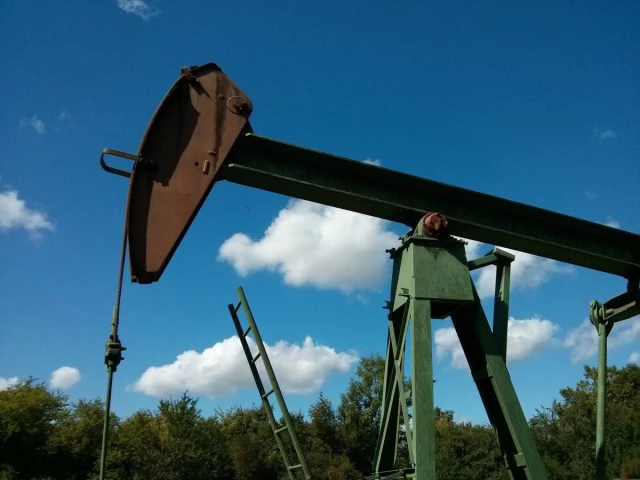
While gold traditionally benefits from uncertainty, recent Middle East developments also pushed investors toward energy-related sectors, including oil and fertilizer companies, because of concerns over potential supply disruptions.
As those concerns have eased, the additional demand for gold has weakened.
What Could Happen Next?
Analysts believe future movements in gold prices will largely depend on global economic conditions.
Several factors could shape the market during the coming months:
- Interest rate decisions by major central banks.
- Inflation trends in advanced economies.
- Strength of the US dollar.
- Geopolitical developments.
- Central bank gold purchases.
- Global investment flows.
If interest rates remain elevated, gold may continue to face pressure. On the other hand, any increase in geopolitical uncertainty or a slowdown in the global economy could revive demand for safe-haven assets.
What Does This Mean for Pakistani Buyers?
For consumers in Pakistan, lower gold prices may provide a better opportunity to purchase jewelry or invest in precious metals after months of record-high prices.
However, experts caution that gold prices remain volatile and continue to react quickly to international events.
Investors are generally advised to consider their financial goals, investment horizon, and risk tolerance before making major decisions based on short-term market movements.
Conclusion
The recent decline in gold prices reflects a combination of improving global market sentiment, high interest rates, a stronger US dollar, and changing investment strategies.
Although prices have fallen substantially from their recent highs, gold continues to trade well above historical levels. Future price movements will depend on economic data, central bank policies, and geopolitical developments, making the precious metals market one of the most closely watched by investors around the world.
Frequently Asked Questions
Why are gold prices falling in Pakistan?
Gold prices are falling because of easing geopolitical tensions, high global interest rates, a stronger US dollar, and lower demand for safe-haven assets.
Why do interest rates affect gold prices?
Gold does not pay interest. When interest rates rise, investors often prefer bonds and savings instruments that generate regular returns.
Has silver also become cheaper?
Yes. Silver prices in Pakistan have declined significantly after reaching record highs earlier this year.
Could gold prices rise again?
Yes. Gold prices could increase if geopolitical tensions escalate, inflation rises, or central banks begin reducing interest rates.
Is gold still expensive compared to previous years?
Yes. Despite the recent decline, gold prices remain much higher than they were two to three years ago.
Hashtags
#GoldPrices #PakistanGold #GoldMarket #Investment #SilverPrices #Economy #FinancialMarkets #PreciousMetals #BusinessNews #PakistanNews