
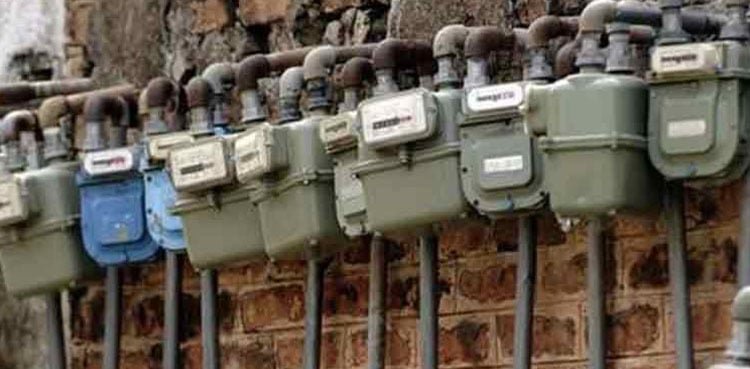
Pakistan’s Petroleum Ministry has decided to stop issuing new gas connections for both homes and businesses. According to Beyond Time News, the ban is effective immediately and covers all new domestic and commercial applicants.
Short Relief, Long Problems
The government had lifted a similar ban in October last year, hoping to improve energy access for consumers. But things did not go as planned.
All new connections were supplied through imported Regasified Liquefied Natural Gas — known as RLNG. This type of gas is significantly more expensive than conventional natural gas, leaving new consumers with bills nearly four times higher than what existing users pay.
Costs That Kept Adding Up
The upfront expenses made matters worse. The Demand Notes fee jumped from Rs. 6,500 to Rs. 23,500. Those who wanted a priority connection paid an extra Rs. 25,000. All together, a new gas connection was costing consumers close to Rs. 50,000.
Since RLNG pricing follows international crude oil rates, monthly bills were also unpredictable — rising and falling with global market movements.
Pakistan Secures LNG Cargo for April 30 Arrival to Ease Power Shortages
Why the Government Reversed Course
With costs spiralling and consumer frustration growing, the Petroleum Ministry decided to reimpose the ban. No new connections will be issued until further notice.
What This Tells Us
Pakistan’s domestic gas reserves are declining, and the country is becoming more dependent on expensive imported RLNG to meet demand. Until the government finds a long-term, affordable energy solution, consumers should expect more uncertainty — and fewer options — in the months ahead.

One thought on “Pakistan Likely to Ban New Gas Connections Amid Rising Energy Costs”
Comments are closed.