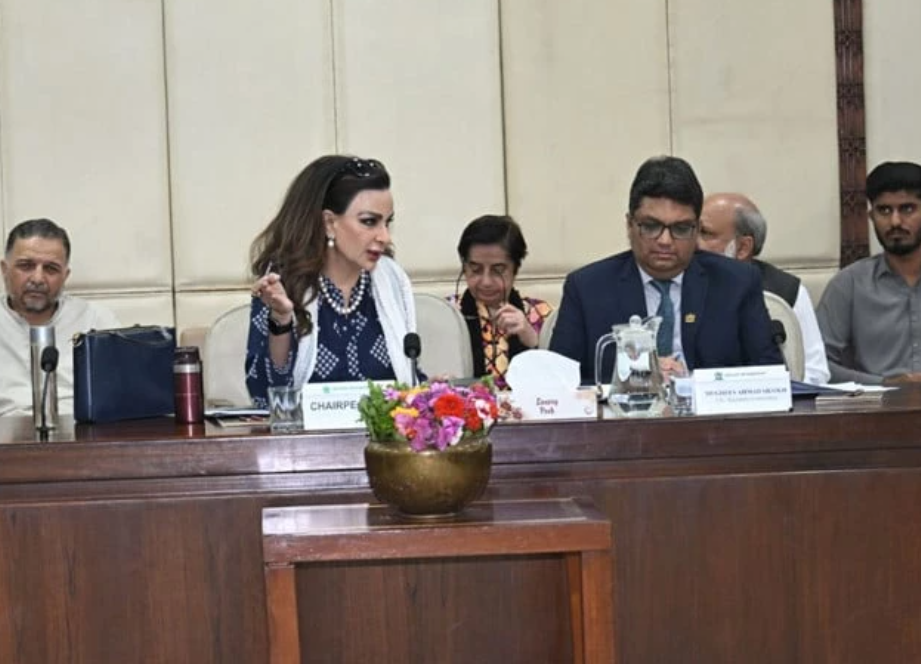
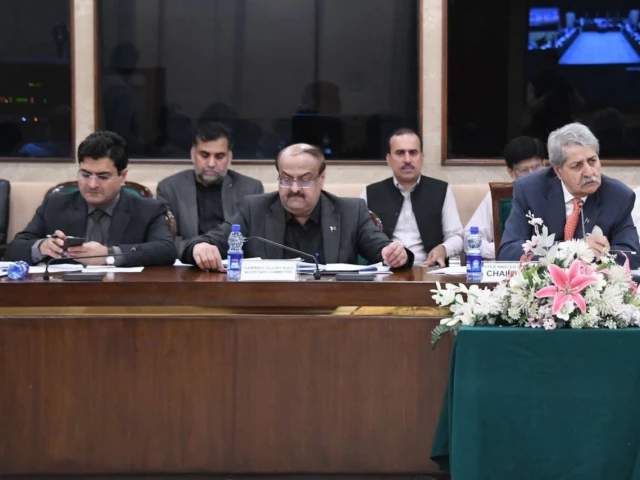
Pakistan’s economy could suffer massive losses ranging from $10 billion to $68 billion annually due to the ongoing Middle East conflict, along with a sharp rise in inflation and external account pressures, according to a briefing given to the National Assembly Standing Committee on Finance.
According to Beyond Time News, economist Ali Salman, head of the Policy Research and Market Economy Institute, presented multiple risk scenarios highlighting how prolonged regional instability could severely impact Pakistan’s economic outlook.
Economic Loss Scenarios Presented
The committee was told that even under a short-term disruption scenario, the economy could face losses of $10–14 billion annually from a 51-day conflict period.
Key monthly impacts include higher oil import costs, reduced remittances, declining exports, and increased freight charges. Inflation in this scenario is expected to remain around 10%–12%.
Adverse Scenario: Rising Pressure on Economy
In a more prolonged conflict lasting around three months, the annual impact could rise to $24–32 billion. Under this scenario:
- Oil import costs could rise significantly
- Remittances may fall by up to $700 million monthly
- Exports could decline by $800 million monthly
- Inflation could reach 13%–15%
Severe Scenario: Worst-Case Outlook
In a severe case where oil prices surge to $150 per barrel, Pakistan could face losses of $50–68 billion annually, with monthly economic shocks reaching billions of dollars.
In this scenario:
- Oil import bill could rise by $2.8 billion monthly
- Remittances may drop by 40%
- Exports could fall by nearly 50%
- Inflation could reach as high as 17%
The economist warned that such a situation could equal nearly 17% of Pakistan’s total economic size.
Broader Economic Concerns
The briefing also highlighted that rising oil prices have already added billions in external payment pressures. Officials noted that higher global energy costs are directly affecting inflation, trade balance, and overall economic stability.
Prime Minister Shehbaz Sharif had earlier noted that Pakistan’s weekly oil import bill had surged significantly due to global price volatility.
Pakistan’s Debt Trap Raises Questions Over True Economic Stability
Parliamentary Concerns Over Fiscal Management
Lawmakers expressed concern over the scale of potential losses, comparing them to Pakistan’s ongoing International Monetary Fund (IMF) programme.
The committee also discussed amendments to the Fiscal Responsibility and Debt Limitation Act, including proposals related to debt management offices and governance structure. Some lawmakers raised concerns about expanding administrative appointments and rising debt levels, which currently stand above statutory limits.
Outlook
Experts warned that continued regional instability could place serious pressure on inflation, external reserves, and economic growth, making fiscal management increasingly challenging for Pakistan in the coming months.