
Inflation in Pakistan increased sharply in April 2026, putting more pressure on household budgets across the country.
CPI Inflation Hits New High
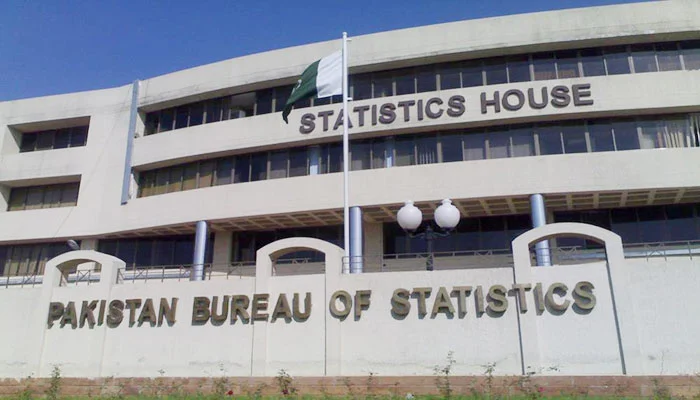
According to Beyond Time News, data released by the Pakistan Bureau of Statistics shows that Consumer Price Index (CPI) inflation rose to 10.9% year-on-year in April 2026.
This marks a significant jump compared to 7.3% in the previous month and just 0.3% in April last year.
Monthly Price Increase Also Recorded
On a month-on-month basis, inflation rose by 2.5% in April 2026. In the previous month, the increase was 1.2%, while April last year saw a decline of 0.8%.
This shows that prices are continuing to rise at a faster pace in recent months.
Urban and Rural Inflation Trends
Urban areas experienced an inflation rate of 11.1% year-on-year. In the previous month, it stood at 7.4%.
In rural areas, inflation reached 10.6%, compared to 7.2% in the previous month. This indicates that both city and village households are feeling the impact of rising prices.
SPI and Wholesale Prices Also Rise
The Sensitive Price Indicator (SPI), which tracks essential goods, increased by 10.1% year-on-year. It also rose by 2.0% compared to the previous month.
Wholesale Price Index (WPI) inflation climbed even higher, reaching 13.6% year-on-year. This reflects rising costs in trade and production sectors.
Core Inflation Shows Steady Increase
Core inflation, which excludes food and energy prices, also moved upward. Urban core inflation reached 8.0%, while rural core inflation stood at 8.5%.
These figures show that inflation is spreading across different sectors of the economy, not limited to just food or fuel prices.
Economic Pressure on Households
Rising inflation continues to affect the purchasing power of ordinary citizens. Essential goods, services, and transport costs have all become more expensive.
Economists say controlling inflation will require stronger economic measures and improved price stability in the coming months.

2 thoughts on “Inflation Rises to 10.9% in April as Prices”
Comments are closed.