MUZAFFARABAD: Political disagreements are a natural part of any democratic society. However, branding individuals as traitors because of their political beliefs or ideological affiliations risks deepening divisions and weakening the culture of dialogue and tolerance.
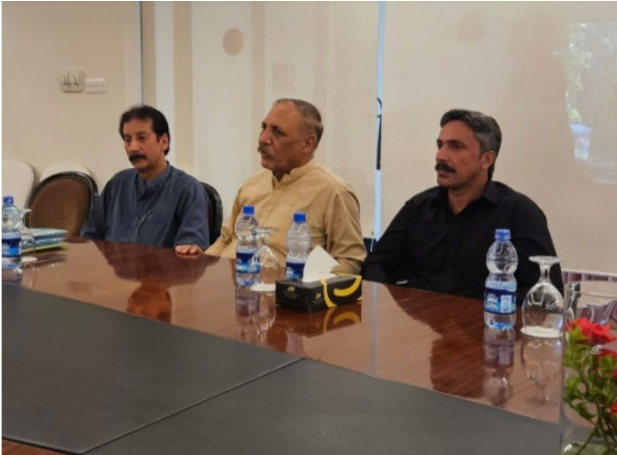
A recent claim has sparked concern among several political observers and supporters of Pakistan’s position on Kashmir. According to the claim, a member of an action committee allegedly described supporters of Kashmir’s accession to Pakistan as “traitors” during a meeting held in the office of Muzaffarabad Mayor Nisar Gilani.
If such remarks were indeed made, they raise important questions about political tolerance and the space available for differing viewpoints in Azad Jammu and Kashmir. While political disagreement is legitimate, questioning the patriotism or loyalty of individuals solely because of their political beliefs does little to strengthen democratic discourse.
Support for Pakistan Is a Political Position, Not Treason
Supporters of accession to Pakistan argue that their stance is rooted in history, ideology, and the principle of self-determination. They maintain that advocating a particular political future for Kashmir falls within the realm of legitimate democratic expression.
International norms and democratic principles recognize the right of people to express their political aspirations and opinions regarding their future. In this context, holding a pro-Pakistan position should be viewed as a political perspective rather than an act of disloyalty.
Political analysts often note that a healthy democracy accommodates diverse viewpoints. Citizens should be able to debate constitutional, political, and ideological issues without fear of being labeled enemies or traitors.
Historical Context of the Kashmir Issue
Supporters of accession to Pakistan frequently refer to the resolution adopted on July 19, 1947, which expressed support for joining Pakistan. They view this event as a significant milestone in the political history of Kashmir and as an expression of the aspirations of many Kashmiris at the time.
For decades, the Kashmir dispute has remained one of the region’s most complex political issues. Different groups continue to hold different visions for the future of the territory. Respecting those differences is essential for maintaining peace and democratic engagement.
Concerns Over Polarization and Political Tensions
Many observers believe that escalating political tensions and divisive rhetoric can create instability and distract from substantive issues facing the region.
Political polarization often benefits those seeking to exploit divisions within society. For this reason, public figures and political activists carry a responsibility to engage in constructive debate and avoid language that may inflame tensions.
Critics argue that labeling political opponents as traitors can discourage meaningful dialogue and deepen mistrust between communities that ultimately share common concerns about governance, development, and regional stability.
Read more:Four Pakistani Farm Workers Killed in Italy as Police Arrest Two Suspects
The Challenge of Misinformation
Concerns about misinformation and propaganda have become increasingly relevant across South Asia. Analysts warn that false narratives, manipulated content, and unverified claims can influence public opinion and fuel social tensions.
Security experts have repeatedly highlighted the importance of verifying information before accepting or sharing it. They stress that responsible communication plays a vital role in protecting social harmony and preventing unnecessary conflict.
Regardless of political affiliation, citizens benefit when public debate is based on facts, transparency, and mutual respect rather than accusations and hostility.
A Call for Democratic Dialogue
At a time when political divisions continue to shape public discourse, many believe that tolerance and open dialogue remain the most effective path forward.
Disagreement is an essential component of democracy, but democratic societies thrive when people respect the right of others to hold different opinions. Political beliefs should be challenged through debate, evidence, and persuasion—not through personal attacks or accusations of treason.
The people of Azad Jammu and Kashmir deserve a political environment that encourages respectful discussion, protects freedom of expression, and allows diverse viewpoints to coexist peacefully. Strengthening democratic values requires engagement, understanding, and a commitment to resolving differences through dialogue rather than division.