SRINAGAR: A new scientific study has raised alarm over the rapidly deteriorating environmental conditions in Indian illegally occupied Jammu and Kashmir (IIOJK), warning that the region could face serious water shortages, worsening air pollution, and significant ecological damage if urgent conservation measures are not implemented.
According to Beyond Time News, the report was released on the occasion of World Environment Day and highlights growing threats to Kashmir’s fragile ecosystem, including the shrinking of glaciers, degradation of water bodies, and increasing pressure on natural resources.
Study Highlights Growing Environmental Threats
Researchers from the Model Institute of Engineering and Technology in Jammu noted that environmental challenges in IIOJK have intensified over the years despite the existence of laws designed to protect natural resources.
The study found that climate change, human activity, and inadequate environmental management have placed enormous pressure on forests, rivers, lakes, and glaciers across the region. Experts warned that without immediate action, these trends could severely impact water security and biodiversity in the coming decades.
Kolahoi Glacier Losing Ground at Alarming Rate
One of the report’s most concerning findings relates to the rapid retreat of the Kolahoi Glacier, the largest glacier in Kashmir and a vital source of freshwater for the region.
According to the study, the glacier has lost more than 25 percent of its total area over the past 60 years. Researchers estimate that it continues to retreat by approximately 35 meters each year while losing nearly one meter of thickness annually.
Environmental experts caution that the glacier’s decline threatens the long-term sustainability of major river systems, including the Jhelum, Lidder, and Chenab rivers, which support millions of people through agriculture, drinking water supplies, and hydroelectric generation.
Dal Lake Continues to Shrink
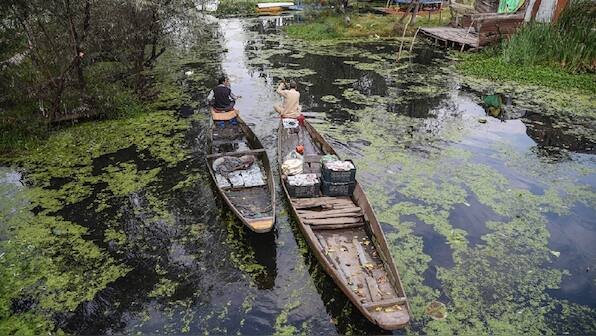
The study also highlighted the deteriorating condition of Srinagar’s iconic Dal Lake, one of Kashmir’s most recognizable natural landmarks and tourist attractions.
Researchers reported that the lake’s surface area has decreased significantly over time, shrinking from around 22 square kilometers to nearly 18 square kilometers. Experts attribute the decline to pollution, unchecked urban expansion, encroachments, and environmental neglect.
The shrinking lake has raised concerns among environmentalists, who warn that continued degradation could affect tourism, local livelihoods, and the region’s ecological balance.
Concerns Over Resource Management
The report pointed to gaps in the implementation of environmental protection policies despite the existence of legal frameworks intended to safeguard natural resources.
Researchers stressed the need for stronger conservation efforts, improved monitoring systems, and sustainable development policies that prioritize environmental protection alongside economic growth.
Experts also called for greater public awareness and community participation in environmental preservation initiatives.
Read more:Two More Kashmiri Properties Seized in Srinagar as Crackdown Continues in IIOJK
Pressure on Kashmir’s Fragile Ecosystem
Environmental observers noted that Kashmir’s ecosystem faces multiple pressures, including deforestation, urbanization, climate change, and growing demands on natural resources.
The study warned that increasing environmental stress could contribute to declining water availability, habitat loss, and a greater risk of natural disasters in the future.
Furthermore, experts emphasized that preserving glaciers, lakes, forests, and river systems is critical for maintaining ecological stability and supporting the livelihoods of local communities.
World Environment Day Renews Focus on Conservation
The report was released as countries around the world marked World Environment Day on June 5, a global event dedicated to raising awareness about environmental protection and sustainable development.
Researchers urged policymakers, environmental agencies, and local communities to work together to address the growing ecological challenges facing IIOJK before irreversible damage occurs.
Conclusion
The latest environmental study paints a troubling picture of the challenges facing Indian illegally occupied Jammu and Kashmir (IIOJK). With glaciers retreating, Dal Lake shrinking, and natural resources coming under increasing pressure, experts warn that immediate action is needed to prevent a deeper environmental crisis. Strengthening conservation efforts, improving resource management, and promoting sustainable development will be essential to protecting the region’s environmental future.
FAQs
What does the new study say about Kashmir’s environment?
The study warns that IIOJK faces worsening environmental challenges, including glacier retreat, shrinking water bodies, and potential future water shortages.
How much has the Kolahoi Glacier shrunk?
Researchers found that the Kolahoi Glacier has lost more than 25 percent of its area over the past six decades.
Why is Dal Lake shrinking?
Experts attribute the decline to factors such as pollution, urban expansion, encroachments, and environmental degradation.
Which rivers could be affected by glacier loss?
The retreat of the Kolahoi Glacier could impact the Jhelum, Lidder, and Chenab river systems.
When is World Environment Day observed?
World Environment Day is observed globally every year on June 5 to promote environmental awareness and conservation efforts.
#IIOJK #KashmirEnvironment #DalLake #KolahoiGlacier #ClimateChange #WorldEnvironmentDay #EnvironmentalCrisis #WaterResources #Srinagar #KashmirNews