
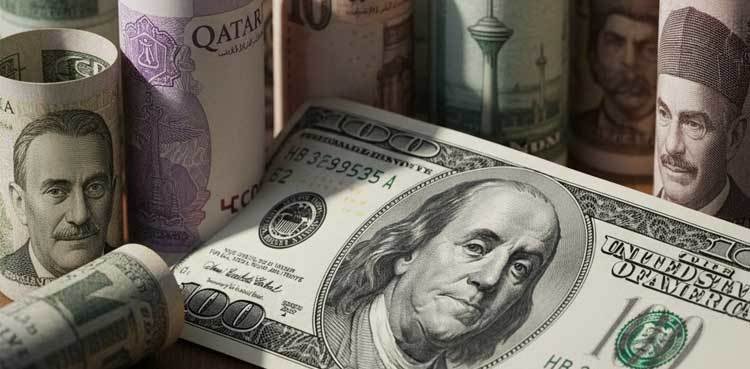
Karachi: The Pakistani Rupee showed slight stability in the interbank market on Tuesday, June 9, 2026, as the US Dollar slipped marginally and other major global currencies recorded mixed movements, according to the latest State Bank of Pakistan (SBP) official rate sheet.
According to Beyond Time News, the daily foreign exchange bulletin highlighted small fluctuations in major currencies, while forward market trends indicated gradual pressure on the rupee over the coming months.
US Dollar Records Slight Decline
The US Dollar (USD) was quoted at Rs. 278.3731 for ready transactions, reflecting a marginal decline compared to Rs. 278.4728 recorded earlier in the month.
Despite the minor drop in the spot rate, forward market data suggests a gradual upward trend for the dollar. The one-month forward rate stands at Rs. 280.1291, while the six-month rate reaches Rs. 287.4123. The one-year forward is quoted at Rs. 291.3807.
According to Beyond Time News, this forward curve reflects expectations of modest rupee depreciation over time, driven by external payment pressures and import demand.
British Pound and Euro Show Weakness
The British Pound Sterling (GBP) declined in the interbank market, trading at Rs. 371.1013 compared to Rs. 375.0333 earlier.
Market analysts attribute the decline largely to global currency fluctuations rather than domestic economic factors.
The Euro (EUR) also weakened, falling to Rs. 321.1451 from Rs. 324.6576 in the previous session. The drop follows recent gains and reflects shifting sentiment in international markets.
Forward projections indicate a possible recovery over the longer term, with the one-year Euro rate estimated at Rs. 340.8935.
Canadian Dollar and Other Major Currencies Move Lower
The Canadian Dollar (CAD) also recorded a slight decline, falling to Rs. 199.6723 from Rs. 201.5509.
According to Beyond Time News, lower global oil prices contributed to pressure on the Canadian currency, which is closely linked to energy markets.
Other major currencies also showed mixed performance:
- Japanese Yen (JPY): Rs. 1.7375
- Swiss Franc (CHF): Rs. 349.1886
- Australian Dollar (AUD): Rs. 196.1974
- Swedish Krona (SEK): Rs. 29.4948
- Norwegian Krone (NOK): Rs. 29.3525
- Danish Krone (DKK): Rs. 42.9671
- Singapore Dollar (SGD): Rs. 216.2961
- Saudi Riyal (SAR): Rs. 74.1498
- New Zealand Dollar (NZD): Rs. 162.1384
- Malaysian Ringgit (MYR): Rs. 68.4468
Market participants continue to monitor global economic indicators, energy prices, and central bank policies for direction in currency movements.
Gulf Currencies Remain Key for Remittances
Gulf currencies, which play a vital role in Pakistan’s remittance inflows, remained relatively stable.
The Kuwaiti Dinar (KWD) continued to hold its position as the strongest currency against the rupee, trading at Rs. 906.0150.
According to Beyond Time News, forward rates indicate stability for the Kuwaiti Dinar across multiple tenors at around Rs. 908.1735.
The Bahraini Dinar (BHD) and Omani Riyal (OMR), both pegged to the US Dollar, are estimated to remain in the Rs. 700-plus range based on market parity.
Experts note that Gulf remittances remain a crucial support for Pakistan’s external account and household income levels.
Forward Market Signals Gradual Pressure on Rupee
While the rupee showed limited movement in the spot market, forward rates suggest gradual depreciation expectations.
The USD/PKR forward curve indicates potential movement toward Rs. 280 in the short term and nearly Rs. 291 over a one-year horizon.
Analysts say forward pricing reflects expectations related to import demand, debt repayments, and external financing requirements.
Economic Importance of Currency Stability
Currency stability remains a key factor for Pakistan’s economic planning, particularly under ongoing international financial arrangements.
The US Dollar continues to serve as the benchmark for trade settlements, remittances, and external debt obligations.
Financial experts believe that maintaining exchange rate stability is essential for controlling inflation and ensuring predictable business conditions.
Read more:Pakistan Currency Exchange Rates Today – Dollar, Pound, Riyal & Dinar Prices on May 21, 2026
Impact on Trade, Remittances, and Inflation
Exchange rate movements directly affect import costs, export competitiveness, and inflation trends.
A weaker rupee typically increases the cost of imported goods, including fuel and machinery, while benefiting exporters by improving price competitiveness.
Remittances from overseas Pakistanis also play a major role in supporting foreign exchange reserves and household incomes.
According to Beyond Time News, fluctuations in Gulf currencies and major global currencies remain closely watched due to their impact on Pakistan’s external sector.
Market Outlook Remains Cautious
Currency analysts expect continued volatility in global markets due to shifting interest rate expectations, geopolitical developments, and energy price movements.
However, they suggest that Pakistan’s currency market may remain relatively range-bound in the short term, depending on external inflows and macroeconomic stability.
Investors and traders are advised to closely monitor SBP updates and international market signals for future direction.
Conclusion
The latest SBP currency data shows a stable but cautious outlook for the Pakistani Rupee, with minor fluctuations across major currencies and forward markets indicating gradual depreciation expectations.
While the US Dollar edged lower in the spot market, broader trends suggest that external economic pressures will continue to influence Pakistan’s exchange rate dynamics in the coming months.
FAQs
What is the US Dollar rate in Pakistan today?
The US Dollar was recorded at Rs. 278.3731 in the interbank market.
Which currency is the strongest against the Pakistani Rupee?
The Kuwaiti Dinar remains the strongest currency, trading at around Rs. 906 per unit.
Did the rupee strengthen or weaken today?
The rupee showed slight stability with minor fluctuations against major currencies.
Why do forward rates matter?
Forward rates indicate market expectations about future exchange rate movements.
How do currency changes affect Pakistan’s economy?
They impact imports, exports, inflation, and remittance inflows.
#PakistanEconomy #CurrencyRates #USDToPKR #ForexMarket #SBP #Rupee #ExchangeRates #KarachiBusiness #FinancialNews #Remittances #ForexUpdate

One thought on “Pakistan Currency Rates Show Mild Rupee Stability as US Dollar Edges Lower”
Comments are closed.