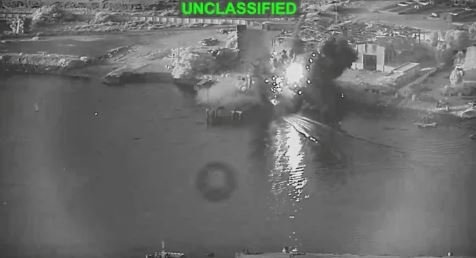
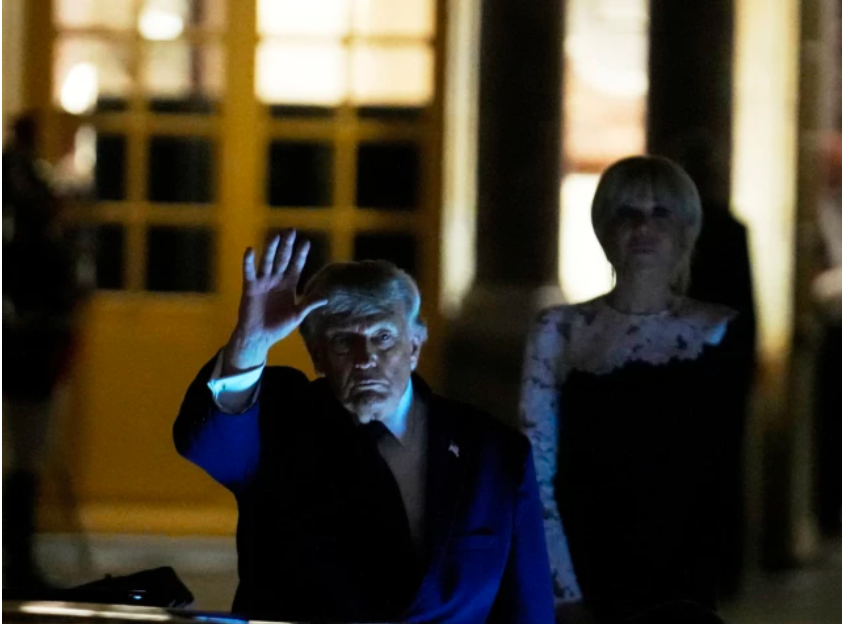
Washington: US President Donald Trump has sharply criticized a Senate vote aimed at restricting military operations against Iran, calling the move “poorly timed” and “meaningless” as lawmakers intensify scrutiny of the administration’s handling of the conflict.
The dispute highlights a growing debate in Washington over presidential war powers, congressional authority, and the future of US policy toward Iran after months of military tensions and diplomatic negotiations.
Trump Rejects Senate’s Attempt to Limit Military Authority
In comments posted on his social media platform, Trump dismissed the Senate resolution directing him to halt military action against Iran. He argued that lawmakers had undermined US leverage at a sensitive moment in negotiations.
According to Beyond Time News, Trump claimed Iran was under significant pressure and suggested that diplomatic efforts were producing results. He accused Congress of sending the wrong message by approving the measure while discussions with Tehran remained ongoing.
The president also described Iran as a longstanding source of regional instability and argued that congressional intervention could weaken the United States’ negotiating position.
Senate and House Unite on War Powers Resolution
The Senate approved the measure in a narrow vote, joining the House of Representatives, which had already passed similar legislation earlier this month.
The resolution seeks to require the withdrawal of US armed forces from hostilities involving Iran unless Congress provides explicit authorization. The vote reflects concern among lawmakers from both parties about the scope of presidential military authority.
Although support largely followed party lines, several Republican lawmakers joined Democrats in backing the measure. The outcome signals growing unease within Congress over the direction and cost of the conflict.
The vote is considered historically important because it marks one of the rare occasions when both chambers of Congress have approved legislation challenging a president’s military actions under the framework of the War Powers Resolution.
Constitutional Debate Remains Unresolved
Despite congressional approval, the practical impact of the resolution remains uncertain.
Legal experts continue to disagree over whether such measures can legally compel a president to end military operations. The issue stems from long-running disagreements between Congress and the White House over constitutional authority in matters of war and national security.
The White House maintains that the War Powers Act is unconstitutional and argues that the resolution carries no binding legal effect. Administration officials have also stated that active hostilities effectively ended following a ceasefire, making the measure largely symbolic.
Constitutional scholars note that courts may eventually be required to clarify the balance of power between Congress and the presidency in future military conflicts.
Public Opinion Adds Pressure
The congressional vote comes amid signs of public skepticism about the conflict.
Recent polling cited by Beyond Time News found that many Americans question whether the military campaign achieved results that justify its costs. Concerns also remain about the durability of any future peace arrangement between Washington and Tehran.
As lawmakers prepare for upcoming elections, public sentiment could play a significant role in shaping debates over defense spending, foreign policy, and military engagement abroad.
Several members of Congress have indicated they intend to continue introducing measures related to war powers and oversight of US involvement in the region.
The Islamabad Memorandum and Ongoing Diplomacy
Trump’s comments also referenced the Islamabad Memorandum of Understanding (MoU), an agreement that supporters describe as a breakthrough in efforts to reduce tensions between the United States and Iran.
Backers of the agreement argue that diplomacy offers the best path toward stability and could open the door to broader discussions on security and economic issues. Critics, however, contend that the arrangement may provide strategic advantages to Tehran without securing enough concessions in return.
The future of the memorandum will likely depend on technical negotiations and whether both sides can transform preliminary understandings into a formal agreement.
Why the Senate Vote Matters
The resolution carries significance beyond the immediate dispute over Iran.
It reflects renewed congressional efforts to reclaim authority over decisions involving military force. For decades, lawmakers from both parties have expressed concern that presidents increasingly engage in overseas conflicts without formal declarations of war.
The vote also serves as a political signal. Even if courts ultimately determine that the measure lacks legal force, it demonstrates that Congress is willing to challenge executive authority on national security matters.
As discussions with Iran continue, the administration may face increasing pressure to keep lawmakers informed and seek broader political support for any future agreement.
Possible Implications
Increased Congressional Oversight
Lawmakers could demand greater transparency regarding military operations and diplomatic negotiations involving Iran.
Legal Challenges Ahead
Questions about the constitutionality of war powers legislation may eventually reach federal courts, potentially producing landmark rulings.
Impact on Future Negotiations
Congressional opposition to military escalation may encourage greater emphasis on diplomacy and negotiated solutions.
Election-Year Political Debate
Foreign policy and military spending are likely to remain prominent issues as political parties campaign ahead of congressional elections.
Conclusion
President Trump’s criticism of the Senate’s war powers vote underscores the continuing struggle between Congress and the White House over control of US military policy. While the resolution’s legal impact remains uncertain, the bipartisan support it received reflects growing concern about executive authority and the long-term consequences of conflict with Iran.
As negotiations continue and lawmakers push for greater oversight, the debate is likely to shape both American foreign policy and domestic politics in the months ahead.
Frequently Asked Questions
What was the Senate vote on Iran about?
The Senate approved a resolution directing President Trump to halt military action against Iran unless Congress authorizes further involvement.
Why did Donald Trump oppose the resolution?
Trump argued that the vote was poorly timed, weakened US leverage in negotiations, and had no meaningful legal effect.
Is the War Powers Resolution legally binding?
Its legal status remains disputed. The White House argues it is unconstitutional, while supporters believe Congress has authority to limit military operations.
What is the Islamabad Memorandum of Understanding?
The Islamabad MoU is a diplomatic framework intended to support negotiations and reduce tensions between the United States and Iran.
Could Congress review a future Iran agreement?
Yes. Under existing US law, Congress may review and vote on agreements that affect Iran’s nuclear program or broader security arrangements.
Hashtags
#DonaldTrump
#USSenate
#IranConflict
#WarPowersAct
#USPolitics
#MiddleEastNews
#IranDiplomacy
#CongressNews
#ForeignPolicy
#WashingtonDC