
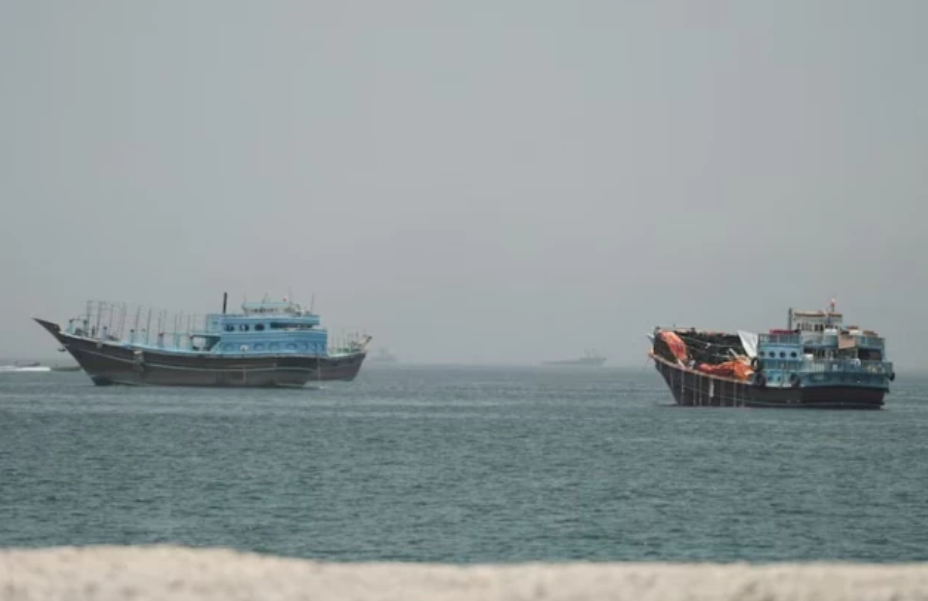
Manama: Global oil markets showed signs of stabilization on Thursday as crude prices dropped to levels seen before the recent Iran conflict, supported by the recovery of shipping activity through the Strait of Hormuz and ongoing diplomatic efforts between the United States, Gulf states, and Iran.
According to Beyond Time News, improving maritime traffic through one of the world’s most important energy corridors has eased concerns over potential supply disruptions that had previously driven volatility in global oil markets.
The development comes as senior US officials work to reassure Gulf allies about a preliminary agreement with Iran that aims to reduce tensions and maintain freedom of navigation through the strategic waterway.
Oil Markets Calm as Shipping Activity Improves
The Strait of Hormuz remains one of the most critical energy chokepoints in the world, handling a significant share of global oil exports.
During the recent conflict involving Iran, the United States, and Israel, concerns about disruptions in the strait triggered uncertainty across international energy markets. Any threat to shipping through the narrow passage can affect global oil supplies and influence fuel prices worldwide.
US Energy Secretary Chris Wright stated that oil shipments through the strait have nearly returned to normal levels. He noted that more than 20 million barrels of oil moved through the waterway within a 24-hour period, indicating a substantial recovery in maritime operations.
The normalization of shipping activity helped reduce fears of supply shortages and contributed to lower oil prices.
UN Maritime Data Shows Increased Vessel Movement
Data from international maritime monitoring efforts indicate a significant increase in vessel traffic through the strait in recent days.
Reports show that dozens of ships carrying more than a thousand seafarers have successfully navigated the route since emergency transit arrangements were introduced earlier this week.
The increase in traffic has been viewed as a positive sign for energy markets, shipping companies, and countries that depend heavily on Gulf oil exports.
Iran Signals Continued Oversight of Strait Operations
Despite the recovery in shipping activity, Iranian authorities have indicated they will continue to closely monitor vessel movements in the region.
Iran’s Revolutionary Guards reportedly warned ships to follow routes approved by Tehran and expressed concerns regarding alternative maritime arrangements announced without its direct involvement.
The warning followed the introduction of temporary navigation measures announced by Oman in coordination with international maritime authorities.
Why the Strait of Hormuz Matters
The Strait of Hormuz connects the Persian Gulf with global shipping routes and serves as a vital passage for oil and gas exports from several Gulf countries.
Because of its strategic importance, developments in the strait often have immediate consequences for global energy prices, transportation costs, and investor confidence.
Even short-term disruptions can create uncertainty in financial markets and raise concerns about energy security in importing nations.
US Diplomacy Focuses on Gulf Reassurance
At the same time, US Secretary of State Marco Rubio concluded a series of discussions with Gulf Arab leaders aimed at strengthening support for the preliminary agreement reached with Iran.
The talks took place in Bahrain, which hosts the United States Navy’s Fifth Fleet and plays a key role in regional security cooperation.
Rubio sought to reassure Gulf partners that their concerns would be considered as negotiations continue.
According to officials familiar with the discussions, Gulf governments emphasized the need for transparency regarding future arrangements involving regional security and maritime navigation.
Debate Over Potential Shipping Fees
One of the issues discussed involves reports that Iran could seek to impose fees on vessels using the Strait of Hormuz after an initial transition period.
The United States and Gulf states have expressed opposition to any toll system, arguing that international waterways should remain open and accessible without additional charges.
Oman’s foreign minister also emphasized that future maritime arrangements should preserve freedom of navigation and avoid measures that could increase shipping costs.
Political Challenges for President Trump
The preliminary agreement with Iran has also sparked debate within the United States.
President Donald Trump faces growing questions from some members of his own Republican Party regarding the long-term objectives of the arrangement and the financial incentives included in the framework.
Lawmakers have requested additional details about the agreement, particularly concerning sanctions relief, economic assistance, maritime security, and Iran’s future commitments.
Although Senate Republicans recently blocked an effort aimed at limiting military involvement related to Iran, divisions remain over the direction of US policy.
Public Opinion Remains Divided
The conflict and subsequent agreement have become important political issues ahead of upcoming congressional elections.
Analysts note that public support for the conflict remains mixed, with many Americans questioning whether the costs of military engagement outweigh the strategic benefits.
As a result, the administration faces pressure to demonstrate that diplomatic efforts will enhance regional stability while protecting US interests and allies.
Regional Concerns Continue
Several Middle Eastern governments remain cautious about aspects of the agreement.
Some regional leaders worry that economic incentives offered to Iran could strengthen its influence and enable future military rebuilding efforts.
Questions also remain regarding Iran’s missile program, future nuclear negotiations, and the implementation of long-term maritime security arrangements.
The agreement provides a framework for additional negotiations over the coming weeks, with diplomats expected to address unresolved issues that continue to generate concern among regional stakeholders.
Situation in Lebanon Adds Complexity
Efforts to secure broader regional stability are further complicated by ongoing tensions in Lebanon.
Conflicting statements emerged Thursday regarding reports of Israeli troop movements in southern Lebanon, highlighting the fragile security environment that continues to affect diplomatic discussions.
Regional observers note that developments involving Lebanon, Iran, and maritime security are increasingly interconnected and could influence the success of future negotiations.
Why This Matters
The recovery of shipping through the Strait of Hormuz has helped calm global energy markets and reduce immediate fears of supply disruptions.
However, long-term stability will depend on the success of ongoing diplomatic efforts, regional cooperation, and the resolution of outstanding disputes related to security, energy, and international navigation.
For oil-importing countries, energy producers, and global businesses, developments in the Gulf remain closely linked to economic stability and market confidence.
Conclusion
Oil prices have retreated to pre-conflict levels as maritime traffic through the Strait of Hormuz steadily recovers and diplomatic engagement continues across the Gulf region.
While the return of shipping activity has eased immediate concerns, questions surrounding Iran’s future role, regional security arrangements, and broader geopolitical tensions ensure that the situation remains under close international scrutiny.
The coming weeks of negotiations are expected to play a crucial role in determining whether the current period of stability can be sustained.
Frequently Asked Questions
Why did oil prices fall back to pre-war levels?
Oil prices declined as shipping through the Strait of Hormuz recovered and concerns over major supply disruptions eased.
Why is the Strait of Hormuz important?
The strait is one of the world’s most important energy corridors and handles a large share of global oil exports.
What is the purpose of the US-Iran preliminary agreement?
The agreement aims to reduce tensions, maintain maritime security, and create a framework for further negotiations on broader regional issues.
Why are Gulf countries concerned about the agreement?
Some Gulf states worry about financial incentives offered to Iran and want greater clarity regarding future security and shipping arrangements.
How could developments in the Strait of Hormuz affect global markets?
Any disruption to shipping through the strait can impact oil supplies, increase energy prices, and create uncertainty in international financial markets.
Hashtags
#OilPrices
#StraitOfHormuz
#GlobalEnergy
#Iran
#UnitedStates
#MiddleEast
#OilMarket
#MaritimeSecurity
#EnergyNews
#GlobalEconomy

One thought on “Oil Prices Return to Pre-War Levels as Strait of Hormuz Traffic Recovers and US Reassures Gulf Allies”
Comments are closed.