ISLAMABAD: Quiet diplomacy is picking up pace across the region, even as formal talks between Iran and the United States remain on hold.
According to Beyond Time News, a series of behind-the-scenes meetings and diplomatic contacts signal a serious push to find a long-term solution to the ongoing conflict.
Iran FM Returns to Islamabad for Key Talks
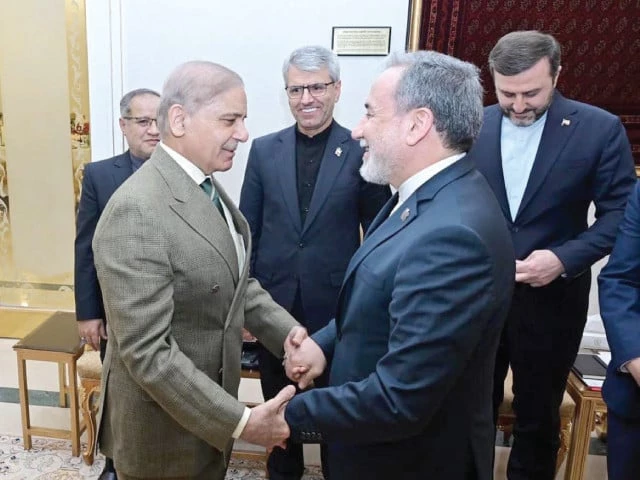
Iran’s Foreign Minister Abbas Araghchi returned to Islamabad after a brief visit to Oman, continuing his regional outreach.
Upon arrival, he held important discussions with Pakistan’s leadership, including Army Chief Field Marshal Asim Munir. These meetings focused on easing tensions and exploring pathways to peace.
Sources revealed that Araghchi also shared written messages outlining Iran’s stance on critical issues. These included its nuclear position and concerns regarding the Strait of Hormuz.
Read more:Iranian Foreign Minister Lands in Islamabad Amid Ongoing War Diplomacy
Regional Players Step In
At the same time, multiple regional countries have stepped up diplomatic efforts. Iran has engaged with officials from Qatar, Saudi Arabia, and Turkey to build broader consensus.
These countries, especially those in the Gulf, have strong interests in stability. The ongoing conflict has already impacted energy markets and regional security.
Meanwhile, Turkey has actively connected with both US and Iranian representatives, aiming to support de-escalation.
Pakistan at the Center of Diplomacy
Pakistan continues to play a central role in these developments. Its position as a mediator has drawn appreciation from multiple sides.
US President Donald Trump once again praised Pakistan’s efforts, calling them “terrific” and expressing “great respect” for its role in peace initiatives.
Similarly, Iran’s ambassador to Pakistan thanked the country’s leadership and people for their support in promoting dialogue and stability.
Possibility of Future Talks Remains
Although the US recently cancelled plans to send its delegation to Islamabad, diplomatic channels remain open.
Trump signaled that Iran can still reach out if it wants to negotiate. At the same time, there is no indication of an immediate return to conflict.
Iranian President Masoud Pezeshkian has made it clear that Tehran will not accept negotiations under pressure. He urged the US to remove barriers, including maritime restrictions, before formal talks begin.
Ceasefire Holds as Talks Continue Quietly
For now, the ceasefire remains in place. Many analysts believe this pause allows space for diplomacy to work behind closed doors.
Efforts are deliberately being kept low-profile, as excessive media attention could complicate sensitive negotiations.
Gradual Progress Toward Stability
Overall, the situation reflects cautious optimism. While major differences still exist, ongoing backchannel diplomacy suggests that all sides are willing to explore peaceful solutions.
With regional and global stakes high, continued engagement may eventually lead to formal negotiations and a more stable outcome.