Washington/Tehran: The United States and Iran exchanged fresh military strikes on Saturday, triggering renewed concerns about stability in the Gulf region. The latest escalation comes despite a ceasefire that has remained largely intact for months and ongoing diplomatic efforts aimed at preventing a wider conflict.
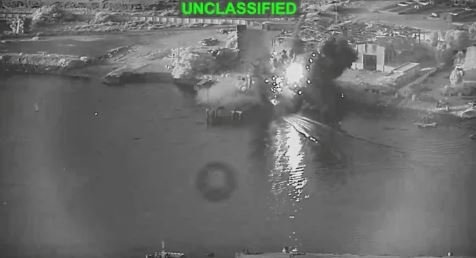
According to Beyond Time News, the confrontation began after US forces targeted Iranian radar installations near the Strait of Hormuz. Iran responded by launching missile attacks against what it described as enemy military positions in the region.
New Military Exchange Sparks Regional Concern
The latest clash has renewed fears of instability in one of the world’s most sensitive geopolitical regions. Military activity near the Strait of Hormuz immediately drew international attention due to the area’s strategic importance.
Iran’s Revolutionary Guards said they launched missiles in response to what they called a US incursion involving the southern Iranian islands of Sirik and Qeshm. The group claimed it targeted enemy bases operating in the area.
Shortly after the strikes, air raid sirens sounded in Kuwait and Bahrain. Security forces in both countries moved quickly to assess the situation and strengthen defensive measures.
US Reports Interception of Missiles and Drones
US Central Command said Iran launched seven ballistic missiles toward Kuwait and Bahrain. According to the military, defense systems intercepted six of the missiles. Another missile failed to reach its target.
The command also denied reports that Iranian attacks damaged US military facilities in Bahrain. Officials said no American personnel were harmed during the incident.
Earlier, US forces intercepted four Iranian drones approaching the Strait of Hormuz. Military officials stated that the drones posed a potential threat to maritime traffic in the area.
Following the interceptions, US forces carried out strikes on radar sites located along Iran’s southern coastline. Officials described the operation as a defensive action designed to protect regional shipping routes.
Strait of Hormuz Remains a Global Flashpoint
The Strait of Hormuz is one of the world’s most important maritime corridors. A significant share of global oil exports travels through the narrow waterway every day.
Any disruption in the area can affect international energy markets and global trade. Because of its strategic location, military activity in the strait often attracts close attention from governments and investors worldwide.
Analysts warn that continued confrontations could increase uncertainty in energy markets and complicate diplomatic efforts to maintain regional stability.
Fragile Ceasefire Faces New Challenges
The recent exchange of strikes has placed additional pressure on a ceasefire that began in April. The truce followed nearly 100 days of conflict involving Iran, the United States, and regional allies.
Although large-scale fighting has subsided, smaller military incidents continue to occur. These developments highlight the difficulties facing negotiators who are trying to secure a long-term agreement.
Diplomatic channels remain open, but progress toward a permanent settlement has been slow.
Iran Football Team Receives Travel Approval
Despite rising tensions, preparations for the FIFA World Cup continue. The United States recently approved visas for members of Iran’s national football team.
US officials said international sporting events should remain separate from political disputes. They also expressed support for welcoming athletes and fans from around the world.
However, Iranian media reports indicated that some members of the team’s support staff were still awaiting travel documents.
The situation reflects the complex relationship between diplomacy, sports, and international politics.
Regional Leaders Urge Restraint
Leaders across the Middle East have called for restraint following the latest escalation. Many fear that further military action could destabilize the region and harm economic recovery efforts.
Lebanese officials urged all parties to avoid turning regional territories into battlegrounds. They emphasized the need to protect civilians and preserve national sovereignty.
Iranian officials, meanwhile, continue to argue that conflicts across the region are interconnected and require broader political solutions.
Read more:US Conducts New Airstrikes in Southern Iran Amid Rising Gulf Tensions
Economic Impact Remains a Key Concern
The latest tensions have also raised concerns about their economic impact. Global energy markets remain highly sensitive to developments in the Gulf.
Any prolonged disruption to shipping routes could influence oil prices and increase transportation costs. Investors are closely monitoring the situation for signs of further escalation.
The confrontation also arrives at a politically important time for both Washington and Tehran, adding another layer of complexity to ongoing diplomatic efforts.
Uncertain Road Ahead
The latest exchange of strikes shows how fragile the current ceasefire remains. While neither side appears eager to return to full-scale conflict, tensions continue to simmer beneath the surface.
Diplomats face a difficult task as they work to preserve stability and prevent another major crisis. The coming weeks will likely play a crucial role in determining whether negotiations can succeed or whether the region faces renewed instability.
FAQs
Why is the Strait of Hormuz important?
The Strait of Hormuz is a critical global shipping route. A large portion of the world’s oil exports passes through it every day.
What triggered the latest tensions between the US and Iran?
The escalation followed US strikes on Iranian radar sites and Iran’s subsequent missile attacks on regional targets.
Did the missile attacks cause casualties?
According to US officials, no American personnel were harmed during the latest exchange.
Is the ceasefire still in effect?
Yes. The ceasefire remains in place, although recent incidents have increased concerns about its durability.
Will the tensions affect the FIFA World Cup?
US authorities have approved visas for Iran’s national football team, and preparations for the tournament continue.
#USIranConflict #GulfTensions #MiddleEastNews #StraitOfHormuz #IranNews #USNews #RegionalSecurity #GlobalEnergy #WorldAffairs #BreakingNews