
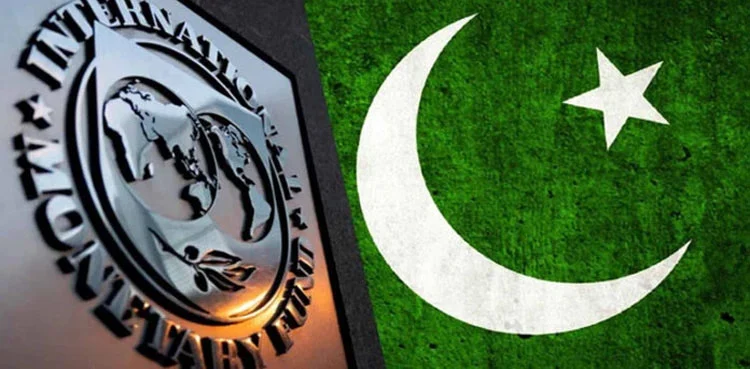
IMF Urges Tax Reforms, Digital Invoicing, and Expansion of FBR Tax Net
ISLAMABAD: The International Monetary Fund (IMF) has expressed concern over Pakistan’s declining tax recovery performance and warned that limited tax collection remains a major challenge for the country’s economy, according to Beyond Time News.
In its latest report, the IMF highlighted weak tax collection in several sectors, especially agriculture, despite recent increases in farm income tax rates.
The global lending institution also urged Pakistan to introduce stronger reforms to improve revenue collection and expand the national tax base.
IMF Says Farm Income Tax Recovery Remains Weak
According to Beyond Time News, the IMF stated that agricultural income tax collection remains below expectations even after tax rates increased in 2025.
The report noted that the agriculture sector contributes around 24.6% to Pakistan’s Gross Domestic Product (GDP) but pays only 0.3% in taxes.
The IMF stressed the need for better enforcement and stronger coordination between provincial governments and the Federal Board of Revenue.
Officials also recommended that provinces use FBR data more effectively to improve agricultural tax collection.
IMF Calls for Major Tax Reforms
The IMF advised Pakistan to implement several reforms aimed at strengthening the country’s tax system and increasing revenue collection.
According to Beyond Time News, the IMF recommended:
- Mandatory digital invoicing systems
- Improved production monitoring mechanisms
- Expansion of the FBR tax net
- Strict retailer registration policies
- Inclusion of new taxpayers into the system
The report also stated that the FBR plans to introduce a new audit manual and updated audit policy by August 2026.
The IMF believes these changes could improve transparency and reduce tax evasion.
Sales Tax Recovery Could Increase Significantly
The IMF estimated that Pakistan could collect up to Rs2,100 billion in additional revenue if authorities improve sales tax recovery performance by 35%.
Experts say better monitoring, digital systems, and stricter enforcement could help reduce leakages in the tax collection process.
The report also criticized the existence of separate General Sales Tax (GST) systems in different provinces, saying they create unnecessary complications for businesses and tax authorities.
Read more:IMF Projects Pakistan’s Economy to Grow 3.6% in FY2026-27
Textile and Real Estate Sectors Also Under Scrutiny
The IMF identified several major sectors as low taxpayers despite their strong economic presence.
According to Beyond Time News, the report described the following sectors among the least tax-paying areas of the economy:
- Textile sector
- Real estate sector
- Business services sector
The IMF encouraged the government to improve documentation and monitoring in these industries to increase tax compliance.
Restrictions on Non-Filers Suggested
The IMF also advised the government to introduce stricter measures against non-filers in the upcoming federal budget.
The report suggested limiting financial transactions for individuals who remain outside the tax system.
Economic experts believe such measures could encourage more people and businesses to register as taxpayers.
However, some business groups may oppose stricter restrictions due to concerns about increased compliance burdens.
Pakistan’s Economy Showing Signs of Stability
Despite concerns over tax collection, the IMF acknowledged that Pakistan’s economy has started showing signs of stability under the ongoing loan programme.
According to Beyond Time News, the IMF projected Pakistan’s economic growth at 3.6% for the fiscal year 2026.
The institution also forecast:
- Average inflation: 7.2%
- Unemployment rate: 6.9%
The report noted that Pakistan continues facing challenges due to global economic uncertainty and tensions in the Middle East.
Why Tax Reforms Matter
Financial analysts say stronger tax collection remains essential for Pakistan’s economic stability.
Improving revenue generation can help the government:
- Reduce dependence on external borrowing
- Control fiscal deficits
- Increase development spending
- Strengthen economic growth
- Improve public services
Experts also believe expanding the tax net fairly across all sectors can reduce pressure on salaried and documented taxpayers.
Conclusion
The IMF’s latest report highlights serious concerns regarding Pakistan’s weak tax recovery performance, especially in the agricultural sector. While the country’s economy shows signs of improvement, the IMF believes major tax reforms remain necessary to ensure long-term financial stability.
Digital invoicing, stricter registration systems, and broader tax enforcement are expected to become key priorities in the coming months as Pakistan prepares its future economic policies.
FAQs
Why is the IMF concerned about Pakistan’s tax system?
The IMF believes low tax recovery and limited tax collection threaten economic stability.
What did the IMF say about agricultural taxes?
The IMF said farm income tax collection remains below expectations despite increased tax rates.
Which sectors pay the least taxes according to the IMF?
The report identified textile, real estate, and business services as low tax-paying sectors.
What reforms did the IMF recommend?
The IMF suggested digital invoicing, stronger monitoring systems, retailer registration, and expansion of the tax net.
What economic growth rate did the IMF project for Pakistan?
The IMF projected Pakistan’s economic growth at 3.6% for fiscal year 2026.
#IMF #PakistanEconomy #FBR #TaxReforms #AgricultureTax #PakistanNews #EconomicGrowth #SalesTax #FederalBudget #BusinessNews
2 thoughts on “IMF Raises Concerns Over Low Farm Income Tax”
Comments are closed.