Washington: The United States and Iran have reportedly moved closer to extending their current ceasefire agreement, offering fresh hope for reduced tensions in the Middle East after months of conflict and uncertainty.
According to Beyond Time News, both sides have reached a preliminary understanding that could extend the ceasefire for another 60 days and ease restrictions on shipping through the Strait of Hormuz. However, the agreement still requires final approval from U.S. President Donald Trump and confirmation from Iranian authorities before it can officially take effect.
Sources familiar with the negotiations said discussions are continuing on several major issues, including Iran’s nuclear program, regional security concerns, sanctions relief, and freedom of navigation in the Gulf.
Proposed Deal Could Reduce Regional Pressure
The reported agreement is being described as one of the most important diplomatic developments since tensions between Washington and Tehran escalated earlier this year.
If approved, the deal would allow unrestricted commercial shipping through the Strait of Hormuz, a strategic waterway responsible for carrying nearly 20 percent of the world’s oil and liquefied natural gas supplies.
Analysts say keeping the route open is essential for global energy stability and international trade. News of the possible agreement also pushed oil prices lower, as markets reacted positively to hopes of reduced conflict in the region.
The draft agreement would reportedly include limited easing of restrictions on Iranian ports and partial relief on sanctions related to Iranian oil exports.
Trump Yet to Give Final Approval
Despite growing optimism, officials on both sides stressed that negotiations are still ongoing.
Iranian media outlets, including Tasnim News Agency, reported that the text of the agreement has not yet been finalized or officially confirmed by Tehran.
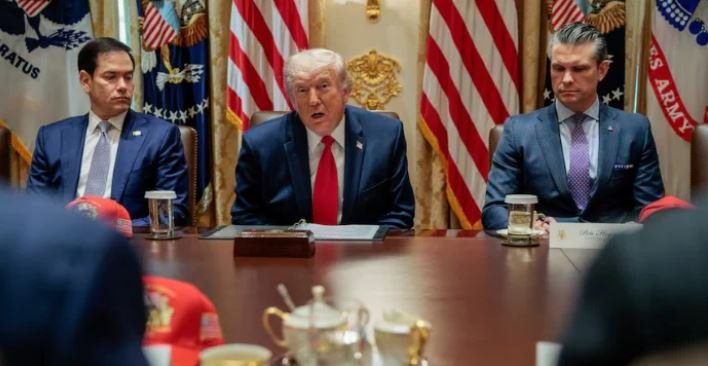
Meanwhile, U.S. Vice President JD Vance acknowledged progress in the talks but cautioned that a final breakthrough has not yet been achieved.
“We’re not there yet, but we’re very close and we’re going to keep working at it,” Vance told reporters in Washington.
He added that while success could not be guaranteed, he remained hopeful about the direction of discussions.
The Trump administration has repeatedly stated in recent months that a broader peace agreement was close, although Iranian officials have often responded cautiously to such claims.
Fresh Military Incidents Raise Concerns
The diplomatic progress came shortly after another series of military incidents between the two countries, highlighting the fragile nature of the ceasefire.
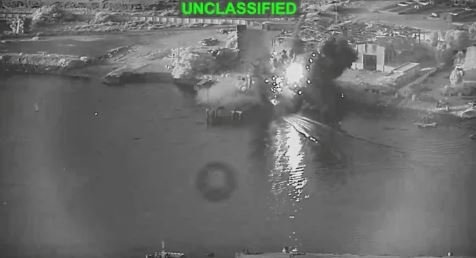
According to U.S. Central Command, American forces intercepted five Iranian attack drones and targeted a drone control station in Bandar Abbas that was allegedly preparing to launch another strike.
Kuwaiti authorities also reportedly intercepted a ballistic missile aimed toward the country, which hosts major U.S. military facilities.
At the same time, Iranian state television claimed that a U.S. aircraft had been shot down near Bushehr, although American officials denied the report.
A U.S. official described the military actions as defensive measures aimed at maintaining the ceasefire rather than escalating tensions.
The Islamic Revolutionary Guard Corps later said it had targeted the U.S. base connected to the Bandar Abbas strike and warned of a stronger response if attacks continued.
Regional Tensions Continue to Affect Middle East
The ongoing conflict has already caused major disruption across the Middle East and affected global energy markets.
Thousands of people have reportedly been killed or displaced since violence intensified earlier this year. Security analysts say uncertainty in the region has increased pressure on oil supplies and raised fears of broader instability.
The latest violence also coincided with Eid al-Adha celebrations across the Muslim world, adding to concerns among regional governments seeking calm and de-escalation.
Kuwait strongly condemned the recent missile incident and called for immediate steps to prevent further escalation.
Trump Says Iran Ceasefire ‘On Life Support’ Amid Growing Tensions
Pakistan’s Diplomatic Engagement Draws Attention
Pakistan has also become part of ongoing diplomatic discussions related to the crisis.
According to Beyond Time News, Deputy Prime Minister and Foreign Minister Ishaq Dar is expected to meet U.S. Secretary of State Marco Rubio in Washington. While officials have not publicly shared details of the agenda, observers believe regional security and ceasefire negotiations could be discussed during the meeting.
Pakistan has repeatedly urged all sides to pursue dialogue, restraint, and peaceful diplomatic solutions.
Nuclear Dispute Remains Major Obstacle
Despite progress toward extending the ceasefire, major disagreements between Washington and Tehran remain unresolved.
Iran continues to demand the lifting of sanctions, the release of frozen assets, and a reduction in U.S. military presence in the region.
The United States, meanwhile, insists that Iran must significantly reduce or dismantle its nuclear program. Tehran has consistently maintained that its nuclear activities are intended for peaceful purposes.
Experts say reaching a long-term agreement will require significant compromises from both countries, especially on security guarantees and economic restrictions.
Strait of Hormuz Remains Key Issue
The Strait of Hormuz continues to be one of the central issues in negotiations between the two sides.
The narrow waterway is considered one of the world’s most critical energy corridors, and any disruption there can immediately impact global oil prices and shipping activity.
The United States recently warned Oman against cooperating with Iran on any proposal involving tolls or joint control arrangements in the strait. President Donald Trump also issued strong warnings regarding regional security measures linked to Tehran.
However, Oman denied reports suggesting any plans to impose tolls and said its discussions with Iran focused only on ensuring freedom of navigation.
Uncertain Path Ahead
Although both countries appear closer to extending the ceasefire, analysts warn that the situation remains unstable.
Ongoing military incidents, unresolved disagreements over sanctions and nuclear activities, and wider regional tensions involving Iran-backed groups continue to complicate efforts toward a permanent settlement.
Still, diplomats believe that even a temporary extension of the ceasefire could help reduce tensions and create space for broader negotiations in the coming weeks.
FAQs
What is the proposed agreement between Iran and the US?
The proposed agreement would extend the ceasefire for 60 days and allow unrestricted shipping through the Strait of Hormuz.
Has Donald Trump approved the deal?
No, reports say the agreement is still awaiting approval from President Donald Trump.
Why is the Strait of Hormuz important?
The Strait of Hormuz is one of the world’s most important oil shipping routes, carrying nearly one-fifth of global oil and gas supplies.
What are the main disagreements between Iran and the US?
Major disagreements include Iran’s nuclear program, economic sanctions, frozen assets, and U.S. military presence in the region.
What role is Pakistan playing in the crisis?
Pakistan is involved diplomatically, with Foreign Minister Ishaq Dar expected to hold discussions with U.S. officials in Washington.
#Iran #UnitedStates #DonaldTrump #Ceasefire #StraitOfHormuz #MiddleEast #IranUSRelations #GlobalOilMarkets #NuclearTalks #Pakistan