Diplomatic efforts between the United States and Iran are showing cautious progress, with Pakistan reportedly playing a growing mediating role. However, a major sticking point continues to block a breakthrough: Tehran’s demand for the release of $24 billion in frozen Iranian assets before any formal agreement is reached.
According to Beyond Time News, Iranian officials say recent backchannel contacts have helped reduce several long-standing disagreements that had stalled negotiations for months. Sources familiar with the discussions claim Pakistan’s diplomatic engagement, including a recent visit by Interior Minister Mohsin Naqvi to Tehran, has helped reopen communication channels between the two sides.
Despite this momentum, Iran has made it clear that access to its frozen funds remains a non-negotiable condition for any deal.
Iran Sets Financial Condition for Agreement
Senior Iranian military adviser to Supreme Leader Mohsen Rezaei said responsibility for breaking the deadlock lies with Washington.
In remarks cited in international reporting, Rezaei said the United States must first demonstrate goodwill by releasing Iranian assets before expecting broader commitments from Tehran.
He stressed that the funds belong to the Iranian people and urged their immediate return as part of any interim understanding.
Proposed Phased Release of Funds
According to sources, Iran is seeking a structured release plan:
- $12 billion upon signing an interim agreement
- Remaining $12 billion released in a later phase
The proposal is aimed at building trust while maintaining progress toward a longer-term settlement.
US Divisions Over Proposal
American policymakers remain divided over how to respond.
Some officials reportedly warn that releasing funds too early could weaken US negotiating leverage and reduce pressure on Iran in future talks. Others are considering partial arrangements that could balance financial concessions with enforcement safeguards.
Sources in Washington say President Donald Trump is reviewing several options that may include limited or conditional asset restoration.
Regional Tensions Shape Diplomacy
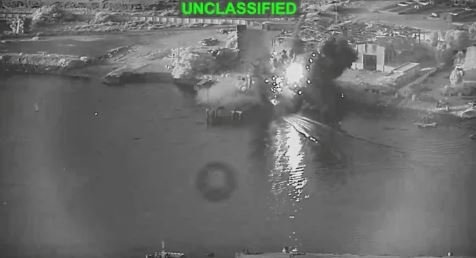
The negotiations come amid renewed volatility in the Middle East following recent exchanges between Iran and Israel.
Washington has intensified diplomatic efforts to prevent escalation and preserve a fragile ceasefire environment. Officials warn that any renewed conflict could quickly expand across the region.
Iran has also signaled that further Israeli military action in Lebanon could trigger a response targeting Israeli interests, adding to regional uncertainty.
Domestic Pressure in Washington
The US administration is also facing internal political challenges, including divisions within the Republican Party, legislative resistance, and growing debate over foreign policy priorities.
At the same time, economic concerns and election-related pressures are adding further complexity to Washington’s diplomatic calculations.
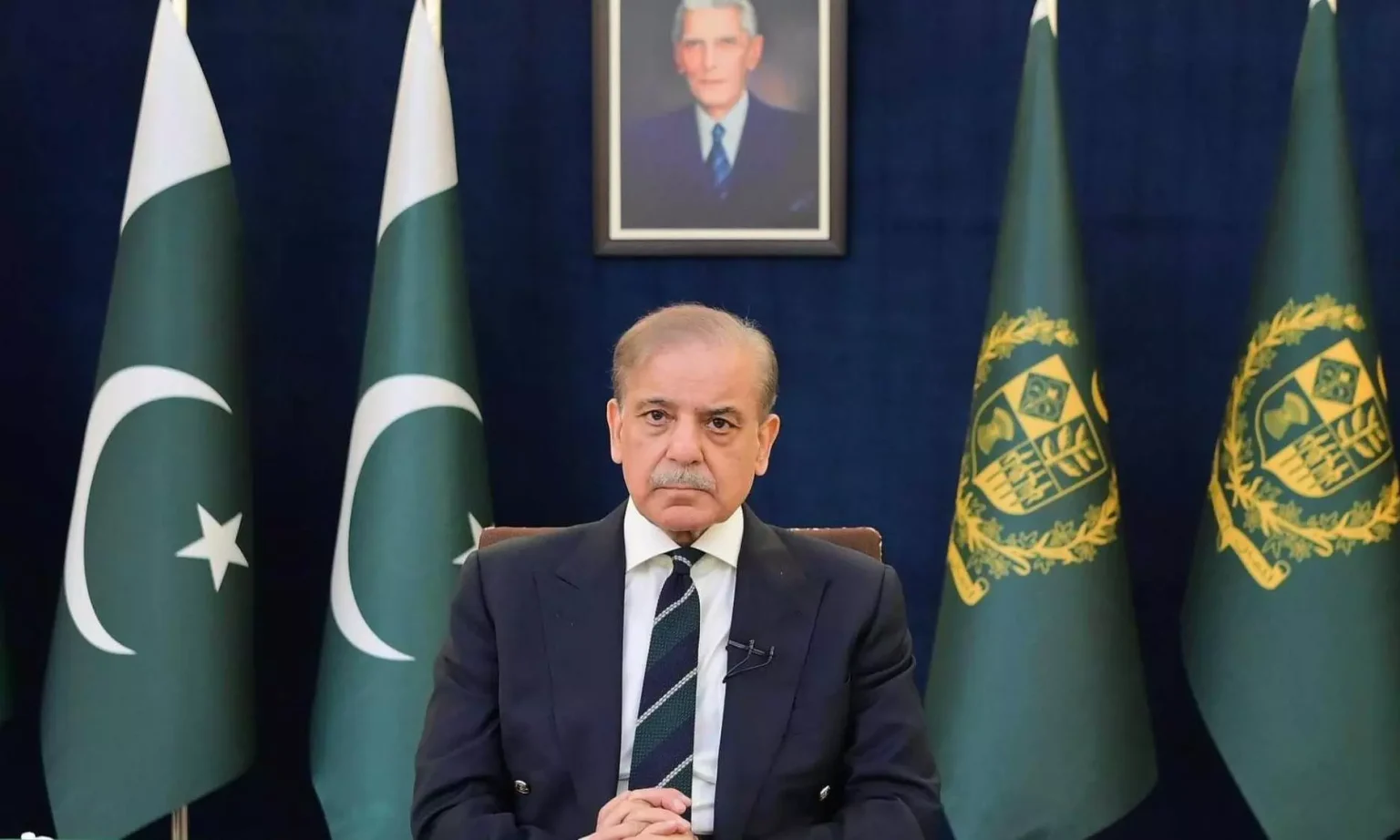
Iran Ceasefire Deal Nears Finalisation as Pakistan Welcomes Diplomatic Breakthrough, Says PM Shehbaz
Outlook
While diplomatic engagement appears to be gaining momentum, the dispute over frozen assets remains the central obstacle to any potential breakthrough between Washington and Tehran.
For now, progress depends on whether both sides can bridge the gap between financial demands and political constraints.
FAQs
What is Iran demanding?
Iran is asking for the release of $24 billion in frozen assets before any agreement.
How much does Iran want immediately?
$12 billion as part of an initial phase.
Is Pakistan involved in talks?
Yes, Pakistan is reportedly playing a mediating and facilitation role.
What is the main US concern?
Concerns that releasing funds could reduce negotiating leverage over Iran.
Are negotiations finalized?
No, discussions are ongoing with several unresolved issues.