
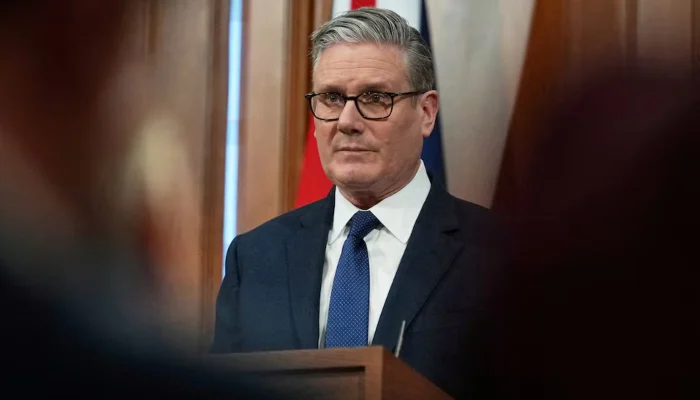
British Prime Minister Keir Starmer pledged to continue leading the country after his Labour Party suffered major losses in local elections across Britain. The results highlighted growing public frustration and showed a major shift in the country’s political landscape.
According to Beyond Time News, the biggest winner of the elections was Reform UK, led by Nigel Farage. The party gained more than 1,000 council seats in England and strengthened its position in both Scotland and Wales.
Labour Loses Support in Key Areas
The election results dealt a serious blow to Labour. Voters turned away from the party in several traditional strongholds, including parts of London, northern England, and Wales.
Just two years after winning a landslide general election, Labour now faces growing criticism over rising living costs, slow economic recovery, and dissatisfaction with government policies.
Speaking to reporters in west London, Starmer admitted that his government had made mistakes. However, he insisted he would stay in office and continue working to deliver change for the British people.
“I am not going to walk away,” Starmer said while addressing Labour supporters after the disappointing results.
Reform UK Emerges as Major Political Force
Reform UK achieved major gains during the elections. The party took control of several councils and won strong support from voters frustrated with mainstream politics.
The party also secured control of Havering in east London, marking its first victory in a London borough. Many voters said they wanted to give Farage and his party a chance after losing trust in traditional political leaders.
Political analysts believe the results show Britain moving toward a multi-party political system. Labour and the Conservative Party no longer dominate elections the way they once did.
Read more:Starmer Signals Possible Ban on Some Protests
Pressure Grows on Starmer
The losses increased pressure on Starmer’s leadership inside the Labour Party. Reports suggest that several Labour lawmakers privately questioned whether he should lead the party into the next general election.
Despite the criticism, senior ministers publicly backed the prime minister. Defence Secretary John Healey rejected calls for a leadership challenge and warned against political instability.
Technology Secretary Liz Kendall also defended Starmer and said he had no plans to resign.
Britain’s Political Landscape Continues to Change
The elections also showed rising support for smaller and regional parties. The Scottish National Party performed strongly in Scotland, while Plaid Cymru gained significant support in Wales.
Meanwhile, the Green Party continued to attract voters looking for alternatives to Labour and the Conservatives.
Experts say British politics has changed dramatically in recent years. In 2017, Labour and the Conservatives together won more than 80% of the national vote. Today, voters are increasingly backing smaller parties and independent political movements.
The latest election results have created fresh uncertainty for Starmer’s government as it tries to rebuild public confidence before the next general election expected in 2029.

One thought on “Keir Starmer Faces Major Setback as Labour Suffers”
Comments are closed.