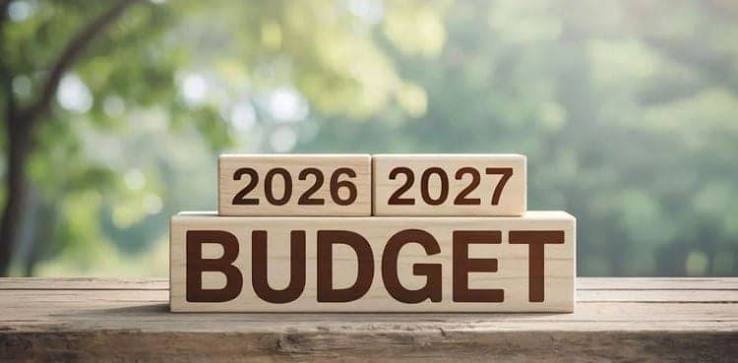
Islamabad: Finance Minister Muhammad Aurangzeb is set to present Pakistan’s federal budget for the fiscal year 2026-27 today, with the government expected to unveil a financial plan worth nearly Rs18 trillion. The budget is likely to focus on revenue generation, fiscal discipline, tax reforms, and targeted relief measures for salaried individuals.
According to Beyond Time News, the upcoming budget may offer tax relief to the salaried class while introducing new revenue measures to support economic stability and meet fiscal targets.
The budget announcement comes at a time when the government is balancing economic recovery efforts, inflation management, and commitments related to fiscal reforms.
Salaried Class May Receive Tax Relief
One of the most anticipated aspects of the budget is the proposed relief for salaried employees.
The government is considering reducing income tax rates for individuals earning between Rs1.2 million and Rs2.2 million annually. Additionally, employees with monthly salaries of Rs100,000, Rs200,000, and Rs300,000 could benefit from revised tax slabs.
Authorities are also reviewing a proposal to expand the number of income tax slabs from six to eight categories. Furthermore, the government may abolish the existing 10% surcharge on annual incomes exceeding Rs10 million.
These measures aim to ease the tax burden on middle-income earners and improve disposable household income.
Government Employees May See Salary Increase
The federal government is expected to announce a 10% increase in salaries for public sector employees.
If approved, the increase would provide some relief to government workers facing higher living costs and inflationary pressures. However, officials have yet to confirm the final percentage, which will become clear during the budget speech.
Meanwhile, pension expenditures are expected to exceed Rs1.1 trillion during the next fiscal year, making pensions one of the largest expenditure categories in the federal budget.
Revenue Collection Targets Set to Rise
The government is expected to set ambitious revenue collection targets for the upcoming fiscal year.
According to budget proposals, direct taxes may generate Rs7.413 trillion. Meanwhile, sales tax collections could reach Rs4.727 trillion.
Customs duties are projected at Rs1.651 trillion, while federal excise duties may contribute Rs1.043 trillion.
In addition, authorities are considering introducing new taxation measures worth approximately Rs220 billion to strengthen government revenues.
Economic analysts believe higher revenue targets will remain essential for maintaining fiscal stability and funding development initiatives.
Petroleum Levy and Gas Surcharge Targets Increase
The government may significantly increase non-tax revenue collections through petroleum and gas-related charges.
Budget proposals suggest raising the Petroleum Development Levy (PDL) target to Rs1.727 trillion. This would represent an increase of Rs259 billion compared with the current fiscal year’s target.
Similarly, authorities are considering a gas surcharge collection target of Rs151 billion.
These measures could help strengthen government finances, although they may also influence energy costs in the coming months.
Debt Servicing Remains a Major Budget Component
Debt servicing continues to consume a substantial portion of federal resources.
The budget is expected to allocate Rs6.652 trillion for domestic debt servicing. Additionally, external debt servicing may require Rs1.107 trillion.
These obligations remain among the government’s largest expenditures and highlight the importance of fiscal management and revenue generation efforts.
Experts note that reducing debt-related pressures remains a key challenge for Pakistan’s economic planners.
Increased Support Expected for BISP Beneficiaries
The government is also expected to expand social welfare spending through the Benazir Income Support Programme (BISP).
Budget documents indicate that approximately Rs838 billion could be allocated to the program during the next fiscal year.
Furthermore, the quarterly BISP stipend may increase from Rs13,000 to Rs14,500.
The proposed increase aims to support low-income families struggling with inflation and rising living expenses.
Automobile Sector Faces Major Changes
The budget may introduce several measures affecting vehicle buyers and manufacturers.
A new Environmental Levy is expected to apply to luxury vehicles powered by petrol and diesel engines.
Under the proposal:
- Vehicles between 2001cc and 3000cc may face a 10% levy.
- Vehicles exceeding 3000cc may face a 19.5% levy.
The government expects these measures to generate approximately Rs25.8 billion in revenue.
At the same time, authorities plan to support local manufacturing by reducing taxes and duties on imported raw materials and components used by domestic automobile producers.
Import duty on certain manufacturing parts may fall from 10% to 5%, while taxes on imported auto parts could decline from 20% to 10%.
Read more:IMF Signals Rs60 Billion Relief for Salaried Class Ahead of Pakistan Budget 2026-27
Electric and Hybrid Vehicles May Become More Expensive
Despite global efforts to promote cleaner transportation, some proposed measures could increase the cost of electric and hybrid vehicles in Pakistan.
According to Beyond Time News, electric vehicles, hybrid vehicles, and plug-in hybrid models may become more expensive under the new tax structure.
Additionally, the sales tax on locally manufactured hybrid vehicles could rise from 8.5% to 18%.
The proposed changes have sparked debate among industry stakeholders, who argue that higher taxes may slow the adoption of environmentally friendly vehicles.
Climate Levy on Petroleum Products Likely to Double
The government is also expected to strengthen climate-related revenue measures.
Budget proposals indicate that the Climate Levy on petroleum products could double from Rs2.5 per litre to Rs5 per litre during the next fiscal year.
Officials say the levy will support environmental and climate-related initiatives. However, consumers may closely monitor its impact on fuel prices and transportation costs.
Focus on Fiscal Stability and Economic Growth
The upcoming budget reflects the government’s efforts to balance economic growth, social protection, and fiscal discipline.
While tax relief measures may benefit salaried individuals, new revenue initiatives and levies are expected to help meet budgetary targets.
Investors, businesses, and consumers will closely analyze the final budget announcements to assess their impact on economic activity, inflation, and household finances during the fiscal year 2026-27.
Frequently Asked Questions
When will Pakistan’s Budget 2026-27 be presented?
Finance Minister Muhammad Aurangzeb is scheduled to present the federal budget for fiscal year 2026-27 today.
Will government employees receive a salary increase?
Budget proposals suggest a 10% increase in salaries for government employees.
Is tax relief expected for salaried individuals?
Yes. The government is considering lower tax rates and revised tax slabs for salaried taxpayers.
What is the proposed size of the federal budget?
The total budget outlay is expected to be approximately Rs18 trillion.
Will vehicle taxes change in the new budget?
Yes. The budget may introduce environmental levies on luxury vehicles and increase taxes on certain hybrid and electric vehicles.
#PakistanBudget2026 #Budget202627 #PakistanEconomy #MuhammadAurangzeb #TaxRelief #FederalBudget #SalaryIncrease #BISP #EconomicReforms #PakistanNews #AutoIndustry #FinanceNews