
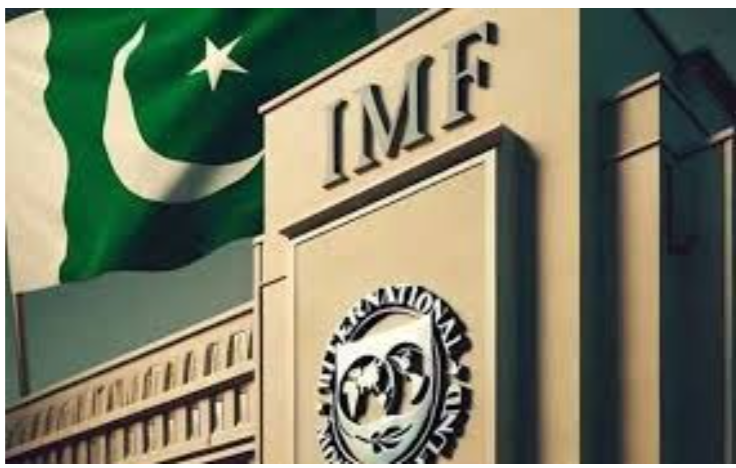
Islamabad: Pakistan has reportedly secured key relief measures from the International Monetary Fund (IMF) ahead of the federal budget for the fiscal year 2026-27, offering potential financial support to salaried individuals, students, and low-income families.
According to Beyond Time News, the government concluded its final round of budget discussions with the IMF, paving the way for several proposed relief initiatives aimed at easing the burden on citizens amid ongoing economic challenges.
Salaried Employees May Receive Major Tax Relief
One of the most significant developments from the negotiations is the IMF’s reported agreement, in principle, to a relief package worth approximately Rs60 billion for the salaried class.
Sources indicate that Prime Minister Shehbaz Sharif personally raised concerns about the financial pressures facing wage earners during discussions with IMF leadership. As a result, both sides reportedly reached an understanding on measures designed to provide tax relief and increase disposable income for salaried workers.
If approved in the final budget, the package could benefit millions of employees across various income groups.
Government Pushes for Public-Friendly Budget Measures
The proposed relief reflects the government’s efforts to balance fiscal discipline with public welfare.
Over the past year, inflation, rising utility costs, and increased taxation have placed considerable pressure on households. Therefore, policymakers have focused on identifying areas where meaningful relief can be provided without undermining economic stability.
Furthermore, government officials have emphasized the importance of supporting middle-income families as the country continues its economic reform agenda.
BISP Beneficiaries Expected to Receive Higher Stipends
In another positive development, the IMF has reportedly agreed to support an increase in payments under the Benazir Income Support Programme (BISP).
The programme serves as Pakistan’s largest social safety net and provides financial assistance to vulnerable families across the country.
Consequently, higher stipends could help low-income households manage rising living expenses and improve access to essential needs such as food, healthcare, and education.
Analysts believe that strengthening social protection measures remains critical for protecting vulnerable segments of society during economic reforms.
Proposed Tax on Stationery Likely to Be Dropped
Students and parents may also benefit from the upcoming budget.
According to reports, the government successfully convinced the IMF to withdraw support for a proposed 18 percent sales tax on stationery items. The decision could help keep educational supplies affordable for families already dealing with increasing education-related expenses.
Moreover, education stakeholders had expressed concerns that additional taxes on stationery would place a heavier burden on students and educational institutions.
As a result, the government is now expected to avoid introducing any new sales tax on stationery products in the upcoming fiscal year.
Solar Panel Tax Proposal Revised
The government has also reportedly secured flexibility regarding taxation on solar energy equipment.
Earlier discussions included a proposal to impose an 18 percent sales tax on solar panels. However, sources suggest that authorities have revised the proposal and may set the tax rate at around 10 percent instead.
The adjustment could support continued growth in Pakistan’s solar energy sector while allowing the government to generate revenue through a lower tax structure.
Additionally, experts note that affordable solar technology remains important as consumers seek alternatives to rising electricity costs.
No Major Changes Expected for Stock Market and Tobacco Taxes
Sources familiar with the discussions indicate that the government is unlikely to introduce significant changes in taxation related to the stock market and tobacco products.
Investors and businesses had closely monitored these discussions amid concerns about possible increases in taxes. However, current indications suggest that existing tax structures may largely remain unchanged.
Meanwhile, economic experts believe that maintaining policy stability can help strengthen investor confidence and support market growth.
Read more:IMF Limits Budget Relief as Government Weighs Tax Cuts for Salaried Class and Businesses
Budget Preparations Enter Final Stage
The reported agreements come as Pakistan finalizes preparations for the federal budget announcement for 2026-27.
Government officials continue to work closely with the IMF to ensure that fiscal targets remain achievable while providing relief to key sectors of society.
Although final details will become clear when the budget is officially presented, the latest developments indicate a stronger focus on supporting salaried employees, students, and low-income households.
Furthermore, the proposed measures demonstrate the government’s efforts to address public concerns while maintaining commitments under its economic reform programme.
What the Relief Measures Could Mean for Citizens
If implemented, the proposed initiatives could provide meaningful support to millions of Pakistanis.
Salaried employees may benefit from lower tax burdens. Low-income families could receive enhanced financial assistance through BISP. Students and parents may avoid additional costs on educational supplies. Similarly, consumers interested in solar energy could face lower taxes than initially anticipated.
Therefore, many stakeholders will closely watch the final budget announcement to see how these proposals translate into practical benefits.
FAQs
What relief has the IMF reportedly agreed to for salaried employees?
Sources indicate that the IMF has agreed in principle to consider a relief package worth around Rs60 billion for the salaried class.
Will stationery items face an 18 percent sales tax?
Reports suggest that the government may drop the proposed 18 percent sales tax on stationery products in the upcoming budget.
Is the BISP stipend expected to increase?
Yes. Sources claim that the IMF has agreed to support an increase in Benazir Income Support Programme payments.
What is the latest proposal regarding solar panel taxes?
Instead of an 18 percent tax, the government may impose a reduced tax rate of around 10 percent on solar panels.
When will the final budget details be announced?
The federal government is expected to present the Budget 2026-27 after completing all necessary consultations and approvals.
#PakistanBudget2026 #IMF #SalariedClassRelief #BISP #PakistanEconomy #Budget2026 #TaxRelief #SolarPanels #EducationSupport #EconomicReforms

3 thoughts on “IMF Signals Rs60 Billion Relief for Salaried Class Ahead of Pakistan Budget 2026-27”
Comments are closed.