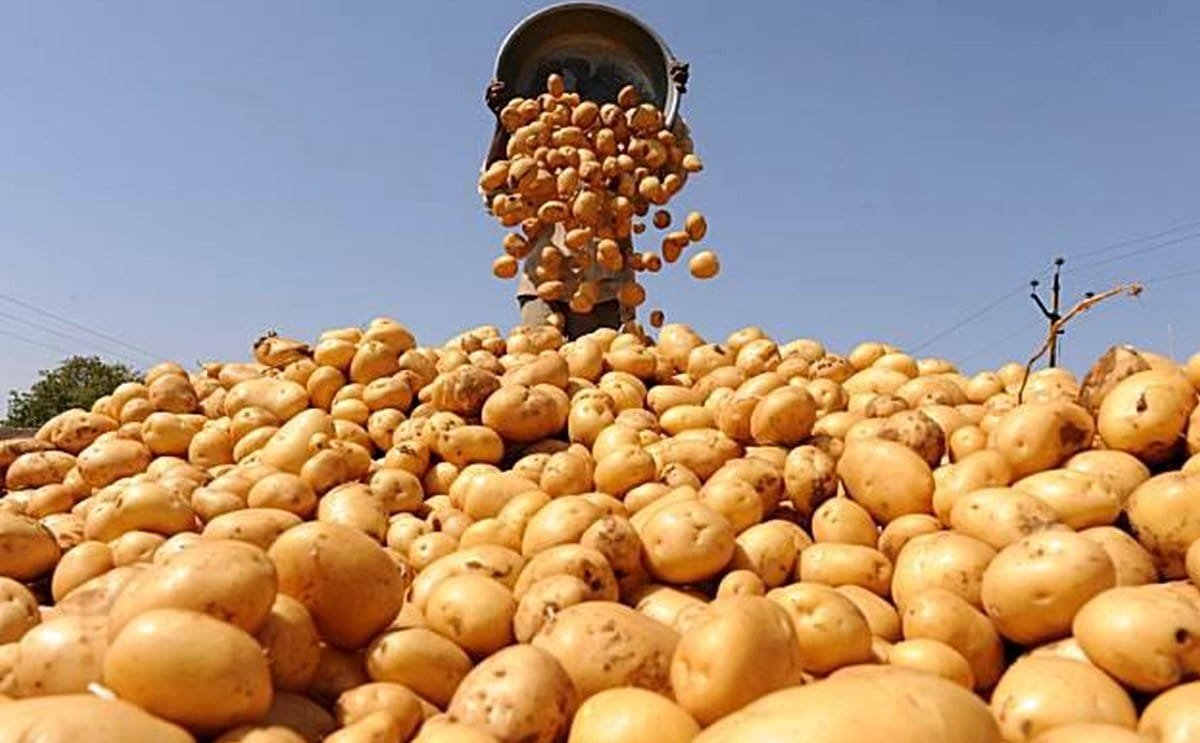
ISLAMABAD – Pakistan exported around 248,000 tons of potatoes during the July–January period of FY2025-26, showing steady performance in global markets despite changing trade conditions.
According to Beyond Time News, official data shows the country earned nearly $56 million from potato exports during this period. Demand remained consistent, helping Pakistan maintain its position in key international markets.
The United Arab Emirates led as the top buyer. Sri Lanka followed, while Afghanistan also remained an important regional market with imports of about 29,411 tons.
The Gulf region, including the UAE, Qatar, and Oman, continued to show stable demand for Pakistani potatoes. Sri Lanka’s imports fluctuated based on its domestic supply situation. Smaller markets such as Somalia also imported limited quantities, indicating gradual diversification.
A major development for the sector came with the reopening of the Russian market. Pakistan recently regained access after Russia cleared potato imports from Punjab, creating new export opportunities.
Officials confirmed that the National Plant Protection Organization removed earlier phytosanitary restrictions imposed in May 2025. This decision allowed exporters to resume shipments to Russia.
Read more:Inflation Jumps Nearly 14% in Pakistan as Energy Prices
Initially, Russia approved three Pakistani companies for exports starting April 8. Authorities are now working to increase the number of approved exporters. Around 40 companies have already been proposed for clearance.
Industry officials say Pakistan is currently producing a record potato crop. Output has reached about 12 million metric tonnes, compared to 8.7 million tonnes last year. This has created a surplus of 4 to 4.5 million tonnes.
Experts note that Pakistan usually exports between 500,000 and 600,000 tons of potatoes each year, showing strong long-term potential for growth in this sector.
Recent export trends show resilience. Earnings fell in FY2023-24 but recovered in FY2024-25 due to higher volumes. Analysts expect stable performance this year, supported by improved access to international markets.