Pakistan is preparing for a major shift in its trade policy as it agrees to remove thousands of import restrictions under its ongoing arrangement with the International Monetary Fund (IMF). The move is expected to make imports easier for a wide range of goods, including vehicles, mobile phones, dairy products, and industrial materials.
Over 2,600 Trade Barriers Under Review
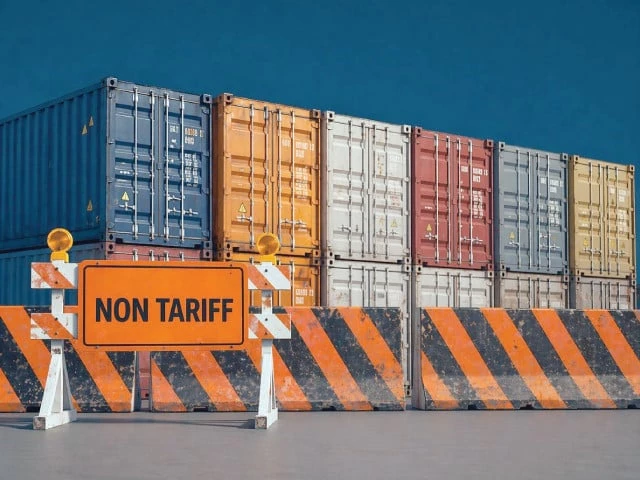
According to Beyond Time News, the government has identified more than 2,660 non-tariff barriers that are affecting imports. These restrictions are now under review and many of them are expected to be removed starting from June.
Officials say the changes are part of commitments made under the $7 billion IMF support program.
Import Rules to Be Relaxed from June
The government has assured the IMF that it will begin lifting restrictions on key imports, including mobile phones and cars. Some current rules, such as strict approval requirements and limits on foreign exchange for vehicle imports, may also be withdrawn.
Once implemented, the changes could make it easier to import items like dairy products, textiles, steel, medicines, and electronics.
Sectors Affected by Policy Shift
The review covers multiple sectors, including:
- Automobiles (CKD, SKD units, and imported vehicles)
- Mobile phones and electronics
- Pharmaceuticals and medical supplies
- Agriculture and food products
- Steel and construction materials
- Cosmetics and consumer goods
According to Beyond Time News, around 76 customs categories are expected to see changes in the first phase.
Focus on Trade Liberalization
The government has also shared plans to gradually reduce import restrictions over the next three years. A complete overhaul of the remaining barriers will be reviewed by the end of November 2026.
Officials aim to remove the most restrictive measures first to improve trade flow and economic stability.
Read more: IMF to Review Pakistan’s New Auto Policy Cabinet Approval
Concerns Over Industry Impact
Some industry groups have raised concerns about the decision, saying they were not properly consulted. They fear that sudden removal of protections could affect local manufacturers.
However, the government argues that easing trade restrictions will improve competition and support long-term economic growth.
Broader Economic Reforms Planned
Along with removing non-tariff barriers, Pakistan has also agreed to reduce customs duties and other import-related charges in the upcoming budget.
The long-term plan includes lowering the average tariff rate to below 6% by 2030. Authorities also plan to end preferential treatment for certain local industries, especially in the automobile sector.
Balancing Trade and Policy Goals
The IMF-backed reforms aim to simplify import procedures and align Pakistan’s trade system with global standards. While the changes may take time to fully implement, they are expected to reshape how goods move in and out of the country.
According to Beyond Time News, the government will continue reviewing each policy step carefully before final approval to ensure economic stability and smoother trade operations.