
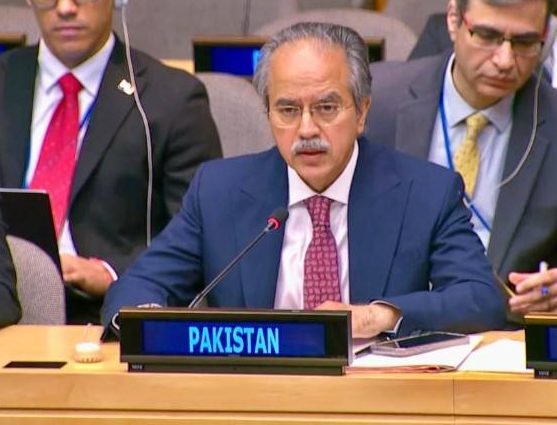
United Nations: Pakistan has rejected allegations from India and Afghanistan regarding recent military operations near the Pakistan-Afghanistan border. Islamabad says its forces targeted terrorist infrastructure and did not strike civilian sites.
According to Beyond Time News, Pakistan’s Permanent Representative to the United Nations, Ambassador Asim Iftikhar Ahmad, responded to the allegations during a UN Security Council session on Afghanistan.
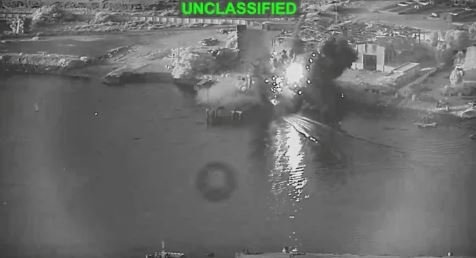
He said Pakistan’s security forces targeted drone facilities, ammunition depots, and technical support centers used by terrorist groups. He added that the operations were precise and focused on security threats.
Pakistan Defends Counterterrorism Actions
Ambassador Asim said Pakistan carried out the operations to protect its citizens from cross-border attacks.
He rejected claims that the strikes harmed civilian facilities. He stated that security forces did not target hospitals, rehabilitation centers, or other public institutions.
According to Beyond Time News, Pakistan conducted the operations after identifying locations allegedly linked to militant activities.
The ambassador stressed that Pakistan remains committed to regional peace. However, he said the country will continue to act against threats to its national security.
Security Council Debate Highlights Differences
The issue emerged during a UN Security Council discussion on Afghanistan.
India’s representative highlighted New Delhi’s humanitarian and development assistance in Afghanistan. He also criticized Pakistan’s reported military actions.
Naseer Ahmad Faiq spoke on behalf of Afghanistan during the session. The Taliban government does not currently hold official recognition at the United Nations.
In response, Ambassador Asim said Pakistan’s concerns about terrorism deserve greater international attention.
Pakistan Raises Concerns About Terrorist Groups
The Pakistani envoy said militant groups continue to operate from Afghan territory.
He reminded the Council that the international community expects Afghanistan to prevent terrorist activities from its soil.
According to Beyond Time News, Pakistan believes counterterrorism commitments remain essential for regional stability.
The ambassador also noted concerns about the implementation of commitments related to governance, human rights, and security.
Pakistan Reiterates Position on Regional Security
Ambassador Asim said Pakistan supports peace and stability in the region.
He emphasized that all countries should respect international law and existing agreements.
The envoy argued that consistent implementation of international principles strengthens global institutions and reduces tensions.
He also called for stronger cooperation to address security challenges across the region.
Read more:Pakistan Senate Saves Rs1.436 Billion, Exceeds Spending Cut Target by 500%
Afghanistan Remains Central to Regional Stability
Afghanistan continues to face economic, humanitarian, and security challenges.
Regional countries and international organizations remain engaged in efforts to support stability and development.
Experts believe lasting peace in Afghanistan will help improve security throughout South Asia.
They also say stronger cooperation can reduce the threat posed by militant groups.
Pakistan Reaffirms Commitment to Peace
Pakistan says it will continue efforts to protect its borders and citizens.
The government maintains that counterterrorism remains a top national priority.
According to Beyond Time News, Pakistani officials believe regional stability depends on effective action against terrorism and stronger diplomatic engagement.
The latest exchange at the United Nations reflects ongoing differences among regional stakeholders. However, it also highlights the importance of dialogue, cooperation, and international engagement.
FAQs
Why did Pakistan defend its border operations?
Pakistan said the operations targeted terrorist infrastructure used to launch attacks against the country.
Where did Pakistan respond to the allegations?
Pakistan responded during a United Nations Security Council meeting on Afghanistan.
Did Pakistan acknowledge civilian casualties?
No. Pakistani officials said the operations did not target civilian facilities.
What concerns did Pakistan raise about Afghanistan?
Pakistan expressed concern about militant groups allegedly operating from Afghan territory.
Why is Afghanistan important for regional security?
Developments in Afghanistan affect regional stability, border security, and counterterrorism efforts across South Asia.
#Pakistan #UnitedNations #UNSecurityCouncil #Afghanistan #CounterTerrorism #RegionalSecurity #PakistanForeignPolicy #SouthAsia #Diplomacy #BorderSecurity #InternationalRelations #GlobalAffairs
One thought on “Pakistan Rejects Indian and Afghan Allegations at UN, Defends Border Operations Against Terrorist Networks”
Comments are closed.