
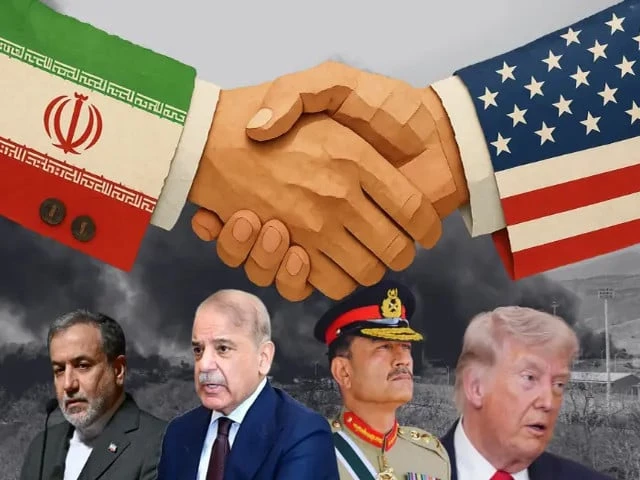
Although direct talks between Iran and the United States have slowed, Pakistan continues to play an important diplomatic role. While Islamabad is no longer in the spotlight, its influence behind the scenes remains strong.
According to Beyond Time News, Pakistan had gained global attention after helping facilitate a temporary ceasefire between Iran and the US just weeks ago. That breakthrough even led to rare direct talks between the two countries—the first of their kind since 1979.
Backchannel Diplomacy Takes Over
Recently, efforts to organize another round of talks faced setbacks. Iran placed conditions, including lifting the US naval blockade, which delayed progress. As a result, formal negotiations stalled.
However, diplomacy has not stopped. Instead, both sides have shifted to quiet, backchannel communication. During this phase, Pakistan continues to act as a key intermediary, helping messages move between the two sides.
Pakistan Conveys Iran’s Proposal
In a significant development, Iran recently shared a new proposal with the United States through Pakistan. The plan reportedly suggested reopening the Strait of Hormuz as a first step.
After that, broader discussions would take place on major issues, including Iran’s nuclear programme. However, the US has not accepted the proposal in its current form.
Read more:Iranian Foreign Minister Lands in Islamabad Amid Ongoing War Diplomacy
Differences Slow Down Progress
Both countries continue to disagree on how to move forward. Iran prefers a gradual, step-by-step approach. On the other hand, the United States is pushing for a comprehensive agreement that addresses all key issues at once.
Moreover, Washington sees the naval blockade as an important bargaining tool. Therefore, it is hesitant to lift restrictions without broader commitments from Iran.
Regional Diplomacy Intensifies
At the same time, Iran is expanding its diplomatic efforts across the region. Foreign Minister Abbas Araghchi has visited several countries, including Oman and Russia. He also made multiple stops in Islamabad, highlighting Pakistan’s ongoing importance.
In addition, Iran has been in contact with countries such as Saudi Arabia, Qatar, France, and Türkiye. These discussions aim to build regional support and explore alternative solutions.
Gulf Dynamics and OPEC Shift
Meanwhile, the situation has also affected regional alliances. A key development came when the United Arab Emirates decided to leave the Organization of the Petroleum Exporting Countries.
This move could reshape global oil markets. Previously, OPEC controlled a large share of global oil supply to maintain price stability. However, the UAE’s exit may increase competition and oil production.
On the positive side, higher supply could benefit consumers. On the downside, it may lead to market instability and encourage other countries to reconsider their membership.
A Changing Regional Landscape
Overall, the evolving Iran-US situation is already reshaping the region. Experts believe a new security and political framework may emerge in the Middle East.
Even though progress in negotiations appears slow, diplomatic efforts are still ongoing. For now, Pakistan remains a quiet but crucial player in keeping communication channels open between the two sides.
3 thoughts on “Pakistan Remains Key Player in Iran-US Diplomacy”
Comments are closed.