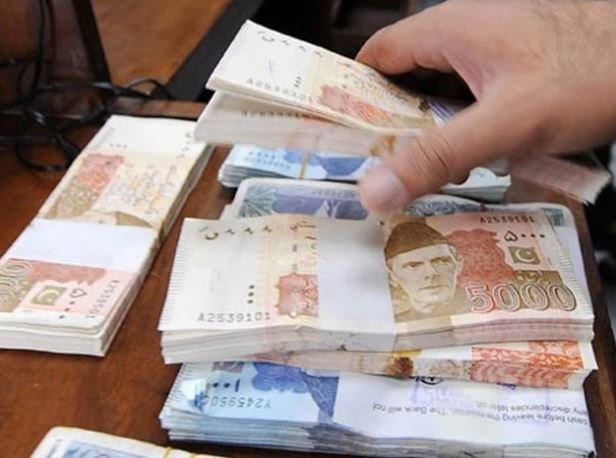
Karachi: Pakistan’s broad money supply (M2) increased by 9.5% during the current fiscal year through June 19, 2026, reaching Rs44.3 trillion, according to the latest data released by the State Bank of Pakistan (SBP).
According to Beyond Time News, the expansion in money supply was driven by higher bank deposits, increased currency in circulation, and continued growth in domestic assets, reflecting stronger liquidity in the financial system.
At the same time, domestic gold prices declined sharply, following losses in international bullion markets.
Money Supply Continues to Expand
The SBP data showed that Pakistan’s broad money supply rose from Rs40.5 trillion at the end of the previous fiscal year to Rs44.3 trillion, representing a 9.5% increase.
Scheduled bank deposits grew by 8%, indicating continued expansion in banking sector liquidity.
Meanwhile, currency in circulation climbed 13% to Rs12.05 trillion, suggesting greater cash availability across the economy.
Economists say higher money supply can support economic activity by improving liquidity. However, if money growth outpaces production, it may also contribute to inflationary pressures.
Government Borrowing Supports Domestic Assets
The report noted that net domestic assets increased by 6%, largely supported by continued government borrowing.
According to Beyond Time News, fiscal financing requirements remained one of the key factors influencing liquidity conditions during the fiscal year.
Analysts say maintaining a balance between money supply growth and economic output will remain important for controlling inflation while supporting growth.
Pakistani Rupee Shows Stability
The Pakistani rupee remained largely stable in the interbank market.
On Tuesday, the local currency appreciated slightly by Rs0.01, closing at Rs278.16 against the US dollar.
The modest movement reflected relatively stable foreign exchange market conditions despite ongoing global economic uncertainty.
Gold Prices Record Sharp Decline
Gold prices in Pakistan fell significantly in line with international market trends.
According to the All Pakistan Gems and Jewellers Sarafa Association, the price of gold per tola dropped by Rs4,100, settling at Rs424,836.
The price of 10 grams of gold also declined by Rs3,515, reaching Rs364,228.
The latest decline came after another sharp fall recorded a day earlier, extending the recent downward trend in the local bullion market.
Global Gold Market Under Pressure
International gold prices also weakened as investors responded to persistent inflation concerns and expectations that the Federal Reserve System could maintain tighter monetary policy.
Spot gold traded near $4,009 per ounce, while US gold futures also moved lower.
Analysts say higher interest rates generally reduce the appeal of non-yielding assets such as gold because investors can earn better returns from interest-bearing investments.
Silver Prices Move Higher
Unlike gold, silver prices continued to rise in the domestic market.
The price of silver per tola increased by Rs25, reaching Rs6,349.
Market analysts said silver has shown greater resilience in recent sessions despite broader weakness in precious metals.
Analysts See Volatility Ahead
Commodity analysts believe gold prices could remain volatile in the coming weeks.
They point to uncertainty surrounding global inflation, US monetary policy, and geopolitical developments in the Middle East as key factors likely to influence investor sentiment.
According to Beyond Time News, analysts believe gold may continue to fluctuate until markets receive greater clarity on future interest rate decisions and international political developments.
Why These Developments Matter
Growth in the money supply is closely watched because it influences lending, investment, inflation, and overall economic activity.
At the same time, gold remains an important investment and savings asset for many Pakistani households. Changes in international bullion prices often have a direct impact on domestic markets.
The stability of the rupee, inflation trends, and global interest rate expectations will continue to shape Pakistan’s financial outlook in the months ahead.
Conclusion
Pakistan’s broad money supply expanded to Rs44.3 trillion, reflecting stronger banking deposits and increased liquidity across the economy. While the rupee remained largely stable, gold prices declined sharply amid weakness in international markets and expectations of tighter US monetary policy. Economists will continue monitoring money supply growth and inflation to assess the country’s economic outlook.
Frequently Asked Questions
What is Pakistan’s current broad money supply?
According to the State Bank of Pakistan, broad money supply reached Rs44.3 trillion as of June 19, 2026.
Why did the money supply increase?
The increase was driven by higher bank deposits, greater currency in circulation, and growth in domestic assets.
How much did gold prices fall?
Gold prices declined by Rs4,100 per tola, bringing the price to Rs424,836.
Why are global gold prices declining?
Gold prices have weakened due to expectations of higher US interest rates and continued inflation concerns, making interest-bearing assets more attractive.
How did the Pakistani rupee perform?
The rupee appreciated slightly by Rs0.01, closing at Rs278.16 per US dollar in the interbank market.
Hashtags
#PakistanEconomy #StateBankOfPakistan #MoneySupply #GoldPrices #Rupee #Inflation #BusinessNews #FinancialMarkets #Economy #PakistanNews