LAHORE: Pakistan’s poultry industry has expressed strong dissatisfaction with the federal budget for 2026–27, saying the government failed to provide the relief measures that industry stakeholders had expected after months of consultations.
According to Beyond Time News, the Pakistan Poultry Association (PPA) warned that the continuation of several taxes on poultry production inputs could increase costs, discourage investment, and affect the affordability of poultry products across the country.
Poultry Sector Disappointed by Budget Measures
The Pakistan Poultry Association said the new budget does not address key challenges facing one of the country’s largest agro-based industries.
In a joint statement, PPA Chairman Abdul Basit, Vice Chairman Malik Muhammad Sharif, and senior members Dr. FM Sabir and Khaleeque Arshad urged the government to reconsider taxation policies before Parliament finalizes the Finance Bill.
Industry representatives said they had engaged with policymakers for several months and received assurances that tax-related concerns would be addressed in the budget. However, they said the final proposals fell short of expectations.
Concerns Over Tax on Day-Old Chicks
One of the industry’s primary concerns is the continuation of the Rs10 Federal Excise Duty (FED) on every day-old chick.
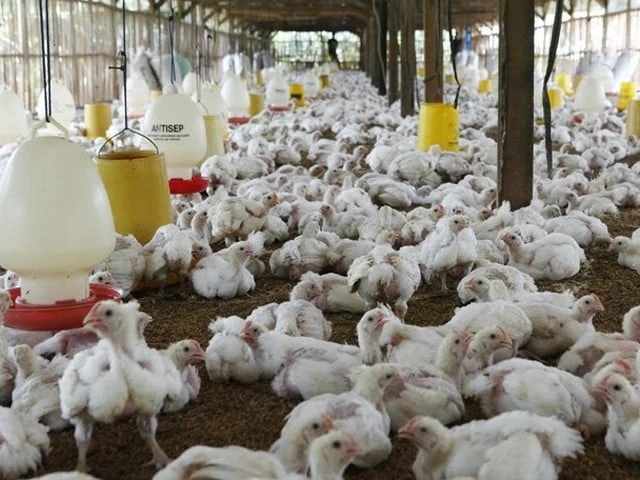
According to the association, day-old chicks represent the first stage of poultry production. As a result, taxes imposed at this stage increase production costs throughout the supply chain.
Industry leaders argued that the tax ultimately raises the cost of poultry meat and eggs for consumers. They described the levy as economically unjustified and called for its removal.
Processed Chicken Tax Draws Criticism
The association also criticized the 18% sales tax on processed chicken products.
PPA officials said the tax discourages investment in modern poultry processing facilities and reduces incentives for businesses to adopt international food safety standards.
They argued that processed poultry products offer better hygiene, quality control, and value addition. However, the current tax structure makes these products more expensive and less accessible to consumers.
Industry stakeholders warned that the measure could slow the growth of Pakistan’s processed food sector and weaken its export potential.
Feed Costs Remain a Major Challenge
The poultry industry also raised concerns about duties and taxes on imported feed ingredients.
According to Beyond Time News, poultry producers continue to pay taxes on soybean meal, vitamins, minerals, amino acids, and other essential feed components.
Feed expenses account for nearly 70% to 75% of total poultry production costs. Therefore, any increase in the cost of feed ingredients directly affects the prices of meat and eggs.
The association said reducing taxes on these inputs would help stabilize production costs and support food affordability.
Industry Highlights Economic Importance
The poultry sector plays a significant role in Pakistan’s agricultural economy. It contributes to food security, employment generation, and rural development while providing one of the most affordable sources of animal protein.
Industry experts estimate that millions of people depend directly or indirectly on poultry-related activities, including farming, feed production, processing, transportation, and retail businesses.
The association also highlighted the sector’s untapped export potential. It argued that supportive policies could help Pakistan expand exports of value-added poultry products and earn valuable foreign exchange.
Impact on Consumers and Food Security
Industry leaders warned that continued taxation could have broader consequences beyond business profitability.
They said rising production costs may eventually increase retail prices for chicken and eggs, placing additional pressure on household budgets already affected by inflation.
The association stressed that affordable protein sources are essential for nutritional security, particularly for low- and middle-income families.
According to industry representatives, policies that increase production costs could undermine national food security objectives at a time when global food markets remain volatile.
Read more:Pakistan’s Weekly Inflation Falls by 0.33% as Food and Fuel Prices Ease
Call for Government Review
The Pakistan Poultry Association has called on the government to revisit taxation measures before the Finance Bill receives final approval.
Industry leaders said targeted tax relief would encourage investment, improve productivity, and strengthen Pakistan’s position in regional and international poultry markets.
They also urged policymakers to adopt a long-term strategy that promotes growth, enhances food security, and supports sustainable agricultural development.
Looking Ahead
As budget discussions continue, poultry industry stakeholders hope the government will address their concerns through amendments or policy adjustments.
The outcome of these discussions could influence future investment decisions, consumer prices, and the overall growth trajectory of Pakistan’s poultry sector.
For now, industry representatives remain concerned that the absence of meaningful relief may create additional challenges for producers and consumers alike.
FAQs
Why is the poultry industry unhappy with Budget 2026–27?
The industry says the government did not provide expected tax relief and retained several taxes that increase production costs.
What is the tax on day-old chicks?
The budget continues a Rs10 Federal Excise Duty on every day-old chick, which industry leaders say raises production costs.
Why does the poultry sector oppose the 18% sales tax on processed chicken?
The industry believes the tax discourages investment in modern processing facilities and makes processed poultry products more expensive.
How much do feed costs contribute to poultry production expenses?
Feed accounts for approximately 70% to 75% of total poultry production costs.
Why is the poultry sector important for Pakistan?
The industry supports food security, creates employment opportunities, contributes to rural development, and provides affordable animal protein.
#PakistanBudget2026 #PoultryIndustry #PakistanEconomy #FoodSecurity #AgriculturePakistan #PoultryFarming #TaxPolicy #ChickenPrices #LivestockSector #EconomicGrowth #PakistanNews #Budget2026