Colombo: Sri Lanka has raised fuel prices across the country following the latest installment of its International Monetary Fund (IMF) bailout program, as authorities continue efforts to stabilize the economy and reduce government subsidies on energy.
According to Beyond Time News, the fuel price adjustment comes as the South Asian nation works to meet key IMF reform targets aimed at restoring fiscal stability after its worst economic crisis in decades.
The latest increase affects both petrol and diesel prices and reflects the government’s broader strategy to align domestic energy costs with international market conditions.
Petrol and Diesel Prices See Fresh Increase
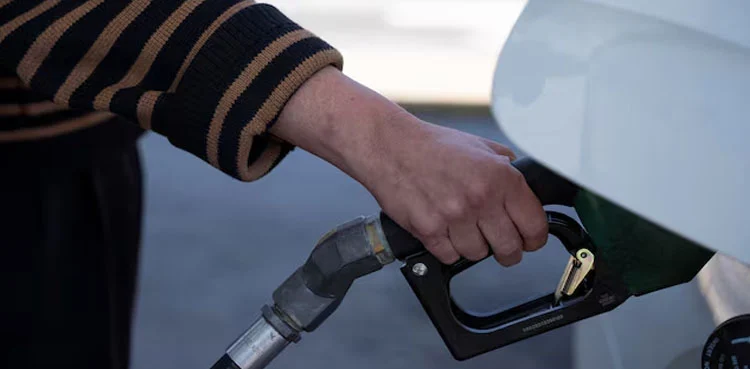
The state-run Ceylon Petroleum Corporation announced revised fuel prices on Sunday, increasing the cost of petrol and diesel by up to six percent.
Under the new pricing structure, petrol now costs 434 Sri Lankan rupees per litre, compared to the previous rate of 410 rupees. Diesel prices have risen from 392 rupees to 407 rupees per litre.
Officials said the adjustments form part of a cost-recovery mechanism designed to reduce the financial burden on the government and ensure sustainable energy pricing.
IMF Bailout Program Drives Economic Reforms
The fuel price increase follows the recent release of a $695 million tranche from the IMF under Sri Lanka’s $2.9 billion bailout package.
The IMF approved the rescue program in 2023 to help Sri Lanka recover from a severe economic collapse that triggered shortages of fuel, food, medicine, and foreign currency.
As part of the agreement, Sri Lanka committed to implementing economic reforms, improving revenue collection, restructuring debt, and reducing costly subsidies that place pressure on public finances.
The latest fuel pricing decision reflects those commitments and highlights the government’s ongoing efforts to meet IMF benchmarks.
Government Plans to End Fuel Subsidies
President Anura Kumara Dissanayake has informed the IMF that Sri Lanka will gradually phase out fuel subsidies by September.
The government believes that ending broad-based subsidies will help strengthen public finances and reduce budget deficits. However, the move may also increase living costs for households and businesses already facing economic challenges.
Authorities have argued that market-based pricing remains necessary to protect the country’s economic recovery and prevent the return of unsustainable fiscal policies.
Global Energy Crisis Continues to Impact Sri Lanka
Sri Lanka remains highly vulnerable to fluctuations in global energy markets because it relies heavily on imported fuel and coal.
Rising geopolitical tensions in the Middle East have created uncertainty in international oil markets and increased concerns about global energy supplies. Any disruption to major shipping routes can significantly affect fuel-importing nations such as Sri Lanka.
Analysts note that higher energy prices place additional pressure on countries that depend on imported petroleum products for transportation, industry, and electricity generation.
Electricity Costs Also Rising
The impact of energy reforms extends beyond fuel prices. Sri Lanka has also increased electricity tariffs in recent months as part of efforts to ensure energy providers recover operational costs.
Government officials argue that realistic energy pricing is essential for maintaining reliable services and reducing financial losses within the energy sector.
While these measures support economic stabilization, they have also raised concerns about affordability for many consumers.
Economic Recovery Remains Fragile
Sri Lanka continues to recover from the unprecedented financial crisis that culminated in a sovereign debt default in 2022.
The country suspended repayments on approximately $46 billion in foreign debt after foreign exchange reserves fell sharply, making it difficult to pay for essential imports.
Since then, the government has relied on IMF assistance, debt restructuring efforts, and fiscal reforms to rebuild confidence in the economy.
Although economic indicators have shown signs of improvement, officials acknowledge that significant challenges remain.
Read more:Pakistan Cuts Jet Fuel and Light Diesel Prices, Offering Relief to Airlines, Industries, and Farmers
IMF Support Provides Economic Lifeline
The IMF bailout program has played a crucial role in supporting Sri Lanka’s recovery strategy. The funding has helped stabilize foreign exchange reserves, strengthen financial institutions, and support broader economic reforms.
Experts believe continued progress under the IMF program will remain critical for restoring investor confidence and ensuring long-term economic stability.
However, they also warn that global economic uncertainty and volatile energy prices could create additional challenges for the country’s recovery efforts.
Sri Lanka Balances Reform and Public Concerns
As Sri Lanka advances its economic reform agenda, policymakers face the difficult task of balancing fiscal discipline with public welfare.
The government aims to strengthen economic foundations while protecting vulnerable communities from the impact of rising living costs. Future policy decisions will likely focus on maintaining economic stability without undermining social support systems.
The latest fuel price increase demonstrates the government’s commitment to IMF-backed reforms, even as citizens continue to navigate the effects of higher energy costs.
FAQs
Why did Sri Lanka increase fuel prices?
Sri Lanka increased fuel prices to align with IMF-backed economic reforms and recover energy sector costs while reducing government subsidies.
How much did fuel prices increase?
Petrol prices rose from 410 rupees to 434 rupees per litre, while diesel increased from 392 rupees to 407 rupees per litre.
What is the IMF bailout package for Sri Lanka?
The IMF approved a $2.9 billion bailout program in 2023 to help Sri Lanka recover from its economic crisis and stabilize public finances.
Why is Sri Lanka removing fuel subsidies?
The government aims to reduce fiscal pressure, improve cost recovery, and meet commitments made under the IMF reform program.
How did Sri Lanka’s economic crisis begin?
Sri Lanka faced a severe economic crisis in 2022 after foreign exchange reserves declined sharply, leading to shortages of essential goods and a default on foreign debt.
#SriLanka #FuelPrices #IMF #EconomicReforms #GlobalEnergyCrisis #Colombo #SriLankaEconomy #FuelPriceHike #SouthAsia #InternationalNews