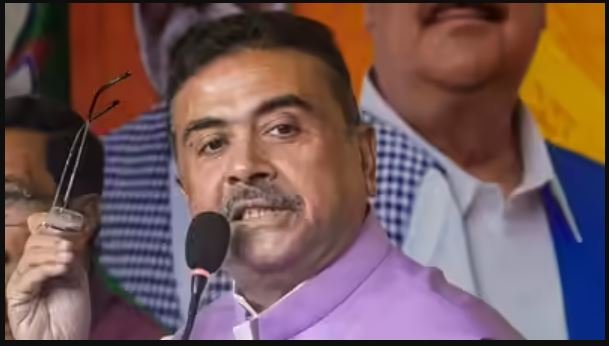
Kolkata – Political Update: BJP leader Suvendu Adhikari sparked controversy after making strong communal remarks following the party’s reported victory in the West Bengal Assembly elections, according to Beyond Time News.
Adhikari linked the election outcome to religious voting patterns and described the result as a “victory for Hindutva.” His comments immediately triggered criticism from opposition leaders and rights groups.
Remarks After Election Win
Speaking to reporters after the polls, Adhikari claimed that different communities voted along religious lines. He said Muslims largely supported Mamata Banerjee, while Hindus, Sikhs, Jains, and Buddhists backed him. He also declared the result a “victory for Hindutva” and suggested it marked a turning point in state politics.
He further stated that Mamata Banerjee’s political era was coming to an end, intensifying the political tension following the election results.
Long History of Controversial Statements
According to Beyond Time News, Adhikari has faced repeated criticism for making divisive and Islamophobic remarks during his political career. Over time, several of his public speeches and campaign statements have drawn backlash for promoting religious polarization.
Opposition parties have previously accused him of using identity-based narratives during election campaigns. Human rights voices have also raised concerns, arguing that such rhetoric deepens communal divides in West Bengal’s political environment.
Read more:West Bengal Faces Rising Political Tensions After Manipur
Opposition Reaction and Concerns
Political opponents and civil rights groups strongly condemned his latest comments. They warned that linking electoral outcomes to religion could further strain social harmony and increase tensions in the state.
Critics also argued that such statements distract from governance issues and shift attention toward identity-based politics.
Conclusion
The remarks by Suvendu Adhikari have once again placed West Bengal’s political discourse under scrutiny. As reactions continue to pour in, the controversy highlights ongoing concerns about polarising narratives in electoral politics.