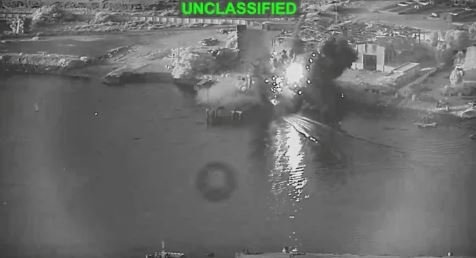
Tensions in the Middle East have escalated sharply as Iran warned it would respond with “long and painful strikes” if the United States resumes military attacks. The warning comes amid an ongoing conflict that has already disrupted global energy supplies and pushed oil prices to record highs.
According to Beyond Time News, the crisis has now stretched for months, with the strategic Strait of Hormuz remaining effectively closed. The waterway is one of the world’s most important energy routes, handling nearly 20% of global oil and gas shipments.
Strait of Hormuz Closure Deepens Global Energy Shock
The continued disruption in the Strait of Hormuz has severely impacted global markets. Oil prices have surged significantly since the conflict began, raising fears of inflation and slowing economic growth worldwide.
Efforts to reach a lasting ceasefire have stalled, even though a temporary truce has been in place since April 8. Iran has maintained restrictions on the strait in response to a U.S. naval blockade targeting its oil exports, which are critical to its economy.
Iran Issues Strong Military Warning
A senior Iranian Revolutionary Guards official warned that any renewed U.S. strikes would trigger strong retaliation against American forces in the region.
He said that U.S. bases and naval assets would be targeted if attacks resume, signaling a sharp escalation in rhetoric between both sides.
Rising Oil Prices and Global Impact
Global energy markets have reacted strongly to the crisis, with Brent crude prices rising sharply and briefly crossing $126 per barrel before stabilizing slightly. The spike has contributed to higher fuel prices and inflation concerns in many countries.
Experts warn that prolonged disruption could weaken global economic growth and push millions more people into poverty due to rising living costs.
Diplomatic Efforts Struggle to Progress
Despite ongoing mediation attempts by several countries, including Pakistan, diplomatic efforts remain deadlocked. Iran has reportedly asked for more time to respond to a U.S. proposal, while Washington continues to demand immediate discussions on its nuclear programme.
Some international partners have proposed forming a maritime security coalition to restore safe shipping routes once the conflict eases, but agreement remains uncertain.
Iran-US Ceasefire Hinges on Hormuz Blockade as Pakistan Pushes for Fresh Talks
Regional and Economic Fallout
The conflict has also affected infrastructure and commercial operations in Gulf countries, with reports of damage to key digital and logistics systems. Meanwhile, both sides continue to exchange threats and conditions, making de-escalation more difficult.
Outlook Remains Uncertain
While diplomatic channels remain open, the situation remains highly volatile. Analysts say Iran’s internal security structure may allow it to withstand pressure, but the risk of further escalation continues to grow.
The future of the Strait of Hormuz—and global energy stability—now depends on whether diplomatic efforts can break the current impasse.