Geneva: Senior American and Iranian officials are expected to meet in Switzerland for high-level discussions aimed at transforming a temporary regional truce into a broader peace framework, even as renewed violence in southern Lebanon threatens to undermine fragile ceasefire efforts.
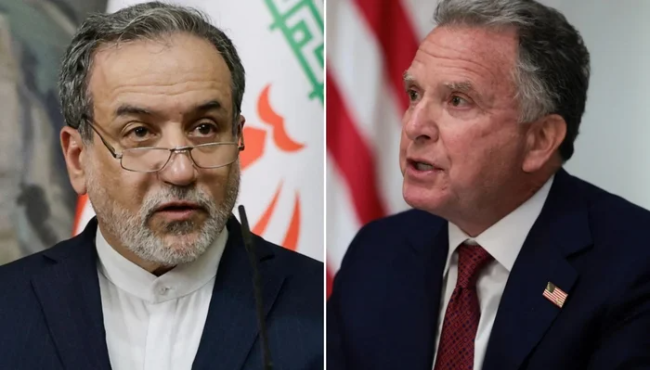
The anticipated talks come at a critical moment for the Middle East, where diplomatic progress and military tensions continue to unfold simultaneously. According to Beyond Time News, US special envoy Steve Witkoff and Iranian Foreign Minister Abbas Araghchi are preparing to engage in negotiations focused on regional security, Iran’s nuclear program, sanctions relief, and long-term stability across the region.
However, fresh Israeli military strikes reported in southern Lebanon shortly after a newly announced ceasefire have raised concerns about whether the diplomatic momentum can be sustained.
Switzerland Becomes Center of New Diplomatic Efforts
Switzerland has once again emerged as a neutral venue for sensitive international negotiations.
According to Beyond Time News, Steve Witkoff is traveling to Switzerland to join a growing diplomatic team working to establish the framework for extended negotiations between Washington and Tehran. Reports indicate that Jared Kushner, a senior adviser and son-in-law of US President Donald Trump, is already in the country as preparations continue.
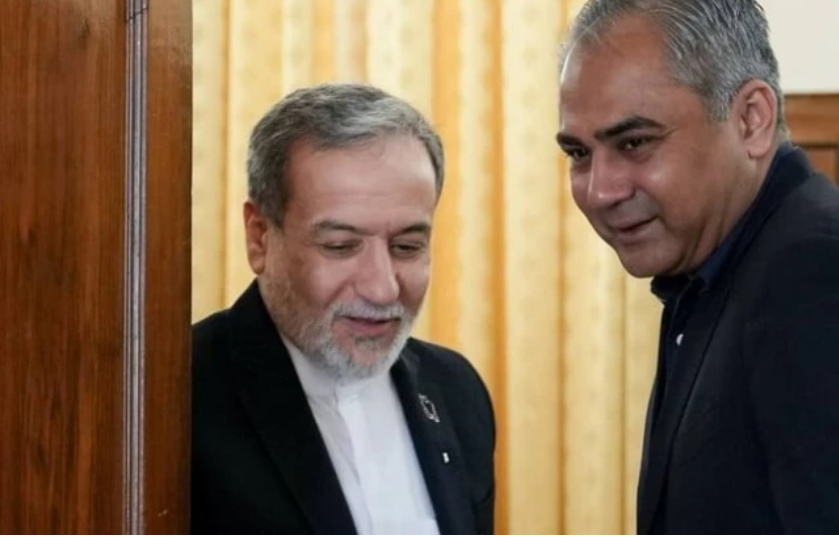
Iranian Foreign Minister Abbas Araghchi is also expected to arrive in Switzerland as discussions advance toward what diplomats hope could become a broader regional settlement.
The meetings are expected to build on a recently announced interim agreement that seeks to reduce hostilities and create space for more comprehensive negotiations.
Swiss authorities have expressed readiness to facilitate dialogue between the parties, continuing the country’s longstanding role as a mediator in complex international disputes.
Khamenei Approves US-Iran Deal Despite Reservations, 60-Day Nuclear Talks Set to Begin
Lebanon Ceasefire Tested Within Hours
While diplomatic efforts are gaining traction, developments on the ground in Lebanon have complicated the picture.
A ceasefire between Israel and Hezbollah reportedly took effect on Friday afternoon following days of heightened tensions and military exchanges. The agreement was viewed as an important step toward reducing regional instability and creating favorable conditions for broader diplomatic engagement.
Yet within hours of the truce taking effect, reports emerged of additional military activity in southern Lebanon.
According to Beyond Time News, airstrikes, drone operations, and artillery shelling were reported in parts of the Nabatieh region overnight and into Saturday morning. Lebanese media outlets reported casualties and damage to residential areas, increasing concerns about the durability of the ceasefire.
Israeli authorities had not immediately issued a public response regarding the reported strikes.
The renewed violence highlights the challenges facing negotiators attempting to secure a lasting reduction in hostilities across multiple fronts.
Lebanon Seen as Crucial to Wider Regional Stability
Analysts widely view the situation in Lebanon as closely linked to the success of any future US-Iran agreement.
A sustained ceasefire along the Israel-Lebanon frontier is considered essential for creating the political environment necessary for long-term diplomatic progress. Any significant escalation could complicate negotiations and reduce confidence among participating parties.
According to Beyond Time News, discussions between US and Lebanese officials have included plans for further diplomatic engagement aimed at reinforcing stability and preventing renewed conflict.
Lebanese President Joseph Aoun has emphasized the importance of a comprehensive ceasefire, describing it as a foundational requirement for broader regional dialogue.
The Lebanese conflict intensified earlier this year after Hezbollah became involved in the wider regional confrontation, triggering military responses that expanded instability across the region.
Focus on Iran’s Nuclear Program and Sanctions Relief
The upcoming negotiations are expected to address several longstanding issues that have strained relations between Washington and Tehran for years.
Among the most significant topics are Iran’s nuclear activities, economic sanctions, regional security arrangements, and mechanisms designed to prevent future military escalation.
Diplomatic observers note that both sides face substantial challenges in reaching a comprehensive agreement. Decades of mistrust, previous failed negotiations, and competing regional interests continue to complicate efforts to secure a lasting settlement.
Still, supporters of renewed diplomacy argue that continued dialogue remains the most effective path toward reducing tensions and avoiding further conflict.
Iranian officials have repeatedly stated that all parties must uphold their commitments if negotiations are to succeed.
Energy Markets Closely Watching Developments
The outcome of the diplomatic process carries major implications for global energy markets.
The Strait of Hormuz remains one of the world’s most strategically important maritime corridors, serving as a critical route for oil and liquefied natural gas shipments.
During periods of heightened regional tension, disruptions in the waterway have historically triggered volatility in global energy prices.
According to Beyond Time News, recent signs of diplomatic progress have contributed to improved market sentiment and increased shipping activity through the region.
Energy analysts note that any durable agreement reducing security risks around the Strait of Hormuz could help stabilize global supply chains and ease concerns about future disruptions.
Financial markets are closely monitoring negotiations as investors assess the potential impact on oil prices, inflation, and broader economic conditions worldwide.
Economic Incentives Could Support Negotiations
One of the key elements under discussion involves potential economic measures designed to encourage long-term cooperation.
Reports indicate that proposals may include sanctions relief, expanded access to frozen financial assets, and economic reconstruction initiatives intended to support recovery efforts after months of regional instability.
Supporters argue that economic incentives could provide practical benefits for all parties involved while creating stronger incentives for maintaining peace.
However, critics in both the United States and the broader region remain skeptical about the effectiveness of such measures and continue to debate the appropriate balance between diplomacy and security concerns.
Political Debate Continues in Washington
The diplomatic initiative has also generated discussion within US political circles.
President Donald Trump has defended ongoing negotiations, arguing that diplomatic engagement can help secure American interests while reducing the risks associated with prolonged military conflict.
At the same time, some lawmakers and political analysts have questioned aspects of the emerging framework, raising concerns about implementation, verification, and long-term enforcement mechanisms.
The debate reflects broader divisions over how best to address complex security challenges in the Middle East.
Despite differing views, many observers agree that successful diplomacy could have significant consequences for regional stability, international trade, and global energy security.
Regional Outlook Remains Uncertain
As US and Iranian representatives prepare for discussions in Switzerland, the future of the broader peace effort remains uncertain.
The coming weeks are expected to test whether diplomatic progress can overcome persistent security challenges and political disagreements.
For now, attention remains focused on two critical developments: maintaining stability in Lebanon and advancing negotiations that could reshape regional relations.
The success or failure of these efforts may influence not only the future of US-Iran relations but also the wider security landscape of the Middle East.
FAQs
1. Why are US and Iranian officials meeting in Switzerland?
The talks aim to advance negotiations on regional security, Iran’s nuclear program, sanctions issues, and long-term stability in the Middle East.
2. Why is the Lebanon ceasefire important?
A stable ceasefire in Lebanon is viewed as a key requirement for broader diplomatic efforts and regional peace negotiations.
3. What role does the Strait of Hormuz play in these discussions?
The waterway is vital for global energy transportation, making regional stability important for international oil and gas markets.
4. Who is leading the US delegation?
US special envoy Steve Witkoff is expected to play a leading role in the negotiations.
5. What are the main issues under discussion?
Key topics include Iran’s nuclear activities, sanctions relief, regional security, economic cooperation, and conflict prevention mechanisms.
SEO Hashtags
#USIranTalks #MiddleEastDiplomacy #LebanonCeasefire #SteveWitkoff #AbbasAraghchi #IranNuclearDeal #StraitOfHormuz #GlobalOilMarkets #RegionalSecurity #GenevaTalks #InternationalRelations #WorldNews