In Uttar Pradesh, authorities have cancelled more than 12,000 waqf property registrations following an audit conducted through the UMID portal. The move has sparked concern over the future of community-owned religious and charitable assets.
Reasons Behind the Cancellations
According to Beyond time news, most cancellations resulted from data entry mistakes and incomplete documentation rather than deliberate violations. However, the scale of the action has raised alarms among observers.
Among major districts:
- Lucknow recorded the highest number of cancellations (1,114)
- Bijnor reported 1,003 cases
- Saharanpur had 990
- Barabanki saw 577
- Amroha reported 85
Types of Affected Properties
The cancelled registrations cover a wide range of waqf assets, including:
- Mosques
- Madrasas
- Eidgahs
- Imambaras
- Dargahs
- Graveyards
Graveyards make up the largest share, with some properties spanning more than 300 acres. Overall, the state has over 126,000 waqf institutions.
Read more:Uttar Pradesh: 10-year-old girl beaten, starved in CRPF camp
Legal Framework and Deadlines
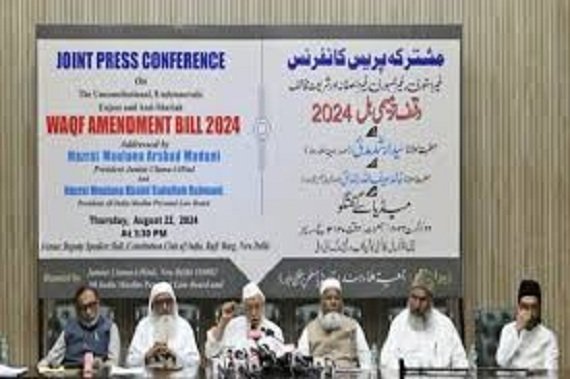
The process is being carried out under the Waqf Amendment Act 2025, which mandates updated registration of waqf properties.
Authorities have set strict deadlines:
- June 5, 2026: Last date to resubmit documents
- June 6, 2026: Final deadline for registration completion
Concerns Over Transparency and Inclusion
Analysts warn that gaps in digitisation and tight timelines may exclude legitimate stakeholders. As a result, there is concern that communities could lose access to assets worth billions.
Moreover, critics argue that the process could weaken institutional trust if affected parties are not given adequate time and support to correct records.
Wider Implications
While officials describe the exercise as an administrative cleanup, its scale and impact have made it a sensitive issue. Moving forward, how authorities handle appeals and document verification will likely determine whether concerns over fairness and transparency are addressed.