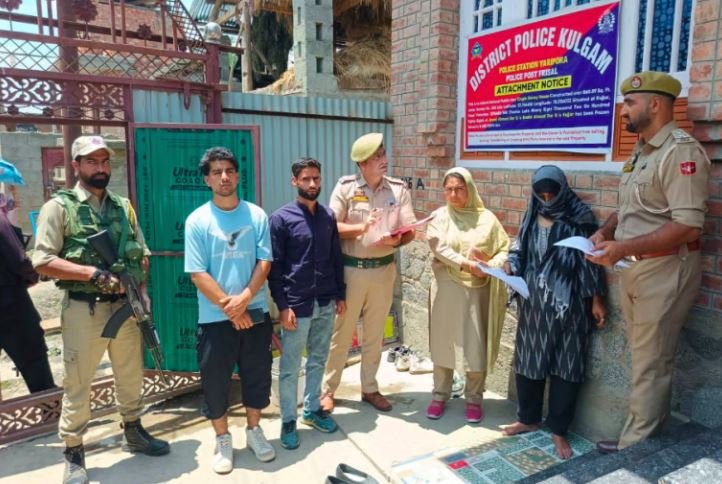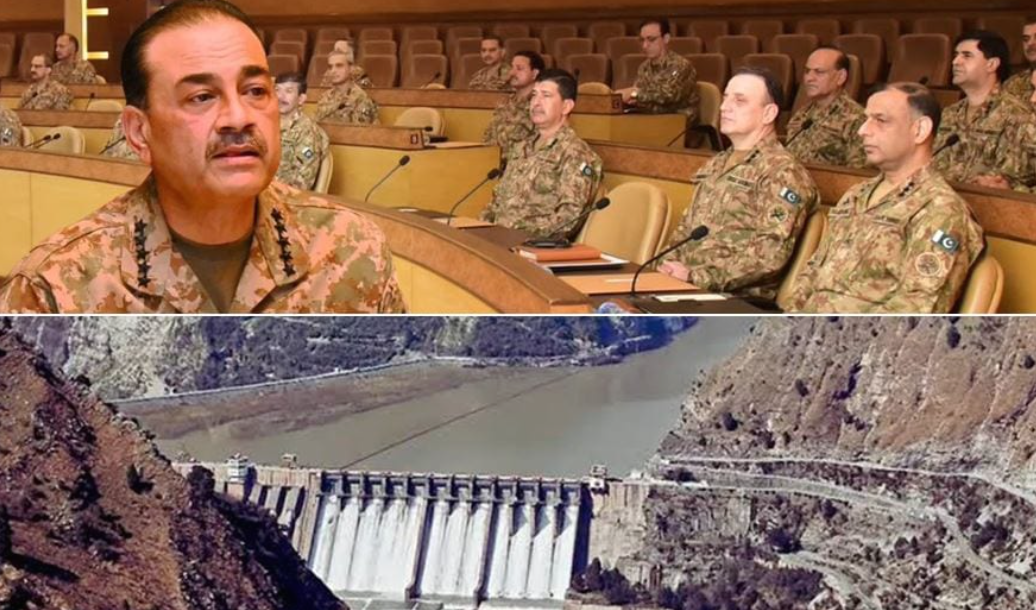
Fresh claims surrounding the Pahalgam incident have stirred debate, after reports suggested that leaked documents may point to a planned operation. The development has added a new layer of tension to an already sensitive regional issue.
What the Reports Claim
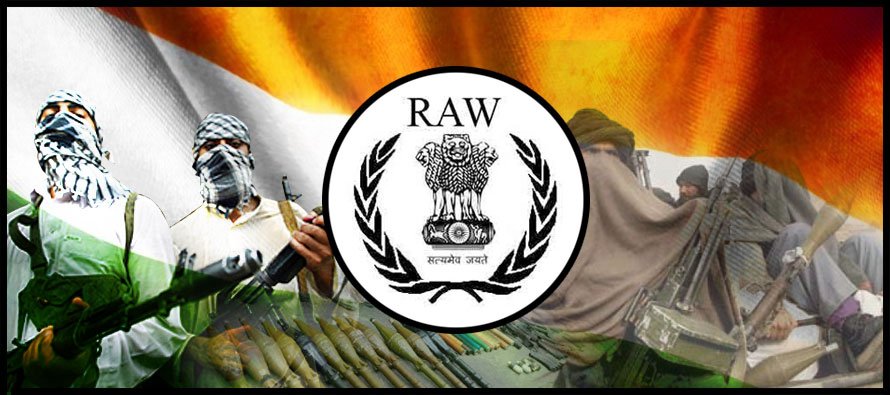
According to Beyond Time News, alleged leaked documents linked to India’s intelligence agency, Research and Analysis Wing (RAW), indicate that the Pahalgam incident may have been pre-planned rather than spontaneous.
The reports suggest that the operation was designed with specific objectives in mind, including shaping a particular narrative shortly after the event.
Focus on Media Strategy
The documents reportedly highlight a coordinated media approach. This included the use of social media platforms to quickly circulate a specific version of events.
According to Beyond Time News, more than 200 online accounts were allegedly prepared to amplify messaging within hours. The aim, as claimed, was to influence public perception both locally and internationally.
Read more:Pahalgam incident: Pakistan counters misinformation campaign
Pakistan’s Perspective
Analysts in Pakistan believe these claims reinforce their long-held view that the incident was part of a larger strategy. They argue that such actions could be used to shift focus away from internal challenges and gain diplomatic leverage.
Calls for Verification
At the same time, these claims remain unverified. Independent confirmation of the alleged documents has not been made public so far.
Experts stress that careful investigation is essential before drawing any firm conclusions, especially given the sensitive nature of the issue.
Regional Impact
The situation highlights the ongoing complexities in relations between Pakistan and India, particularly regarding Kashmir-related matters. Incidents like this often lead to competing narratives, making clarity and transparency even more important.
This developing story continues to attract attention, and further updates are expected as more information becomes available.