
China is steadily strengthening its economy by linking industrial development with growing consumer demand. This balanced approach has been outlined in the country’s 15th Five-Year Plan (2026–2030), which focuses on creating harmony between supply and demand, as well as investment and consumption.
Strong Domestic Market Drives Growth
With a population exceeding 1.4 billion and a middle-income group of over 400 million, China has become the world’s second-largest consumer market. As a result, the government is not only encouraging spending but also ensuring that investments support long-term economic stability.
At the same time, large-scale projects are moving forward quickly, helping sustain growth and create jobs.
Industrial Strength Supports Consumption
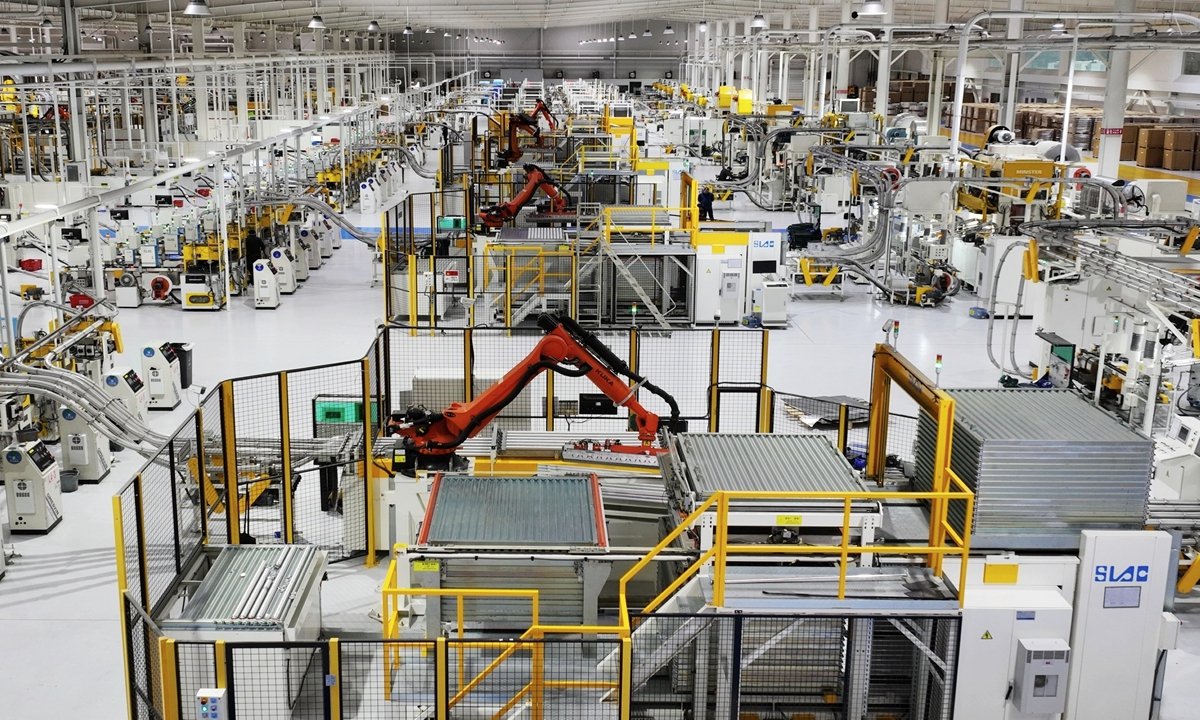
China’s push for industrial self-reliance, especially in advanced manufacturing, is designed to support — not replace — consumer growth. The country has remained the world’s largest manufacturer for 15 consecutive years. This strong industrial base provides employment to millions and helps raise household incomes.
For example, major industrial projects, such as high-end manufacturing and eco-friendly production facilities, are generating jobs and boosting output. Consequently, these developments directly contribute to increased consumer spending.
Lower Costs and Innovation Benefit Consumers
Industrial progress is also reducing costs for everyday consumers. A key example is the rapid growth of new energy vehicles (NEVs). Large-scale production has made these vehicles more affordable, encouraging wider adoption of green transport.
In addition, advancements in digital infrastructure — including 5G and artificial intelligence — are expanding consumer opportunities. Farmers can now sell products online, while smart technologies are transforming daily life.
New Demand Shapes Industry Trends
Consumer preferences in China are evolving. People now seek better quality products and experiences rather than just basic goods. This shift is pushing industries to innovate and improve.
For instance, demand for outdoor and leisure products has surged, leading manufacturers to increase production. Similarly, smart home devices and AI-powered products are attracting strong interest from consumers.
Read more:Pakistan and China sign MoUs to boost tea sector
Policy Support Strengthens the Economy
The government is actively supporting both consumption and industrial growth. Financial measures include subsidies for consumer goods and significant investments in infrastructure and innovation.
Additionally, policies such as tax incentives and funding for research and development are helping industries expand while keeping costs manageable.
A Self-Sustaining Growth Model
China’s strategy creates a cycle where industrial progress boosts incomes, which in turn drives consumption. Meanwhile, rising demand encourages further innovation in manufacturing.
This model not only strengthens domestic economic resilience but also positions China as a stable force in the global economy.
Global Impact and Future Outlook
As China continues to integrate industrial growth with consumer expansion, it offers both investment opportunities and a growing market for the world. The combination of production strength and rising demand ensures steady progress despite global uncertainties.
In the end, China’s approach shows that sustainable economic growth depends on maintaining a strong balance between what people produce and what they consume.


One thought on “China Aligns Industrial Growth with Rising Consumer Demand”
Comments are closed.