
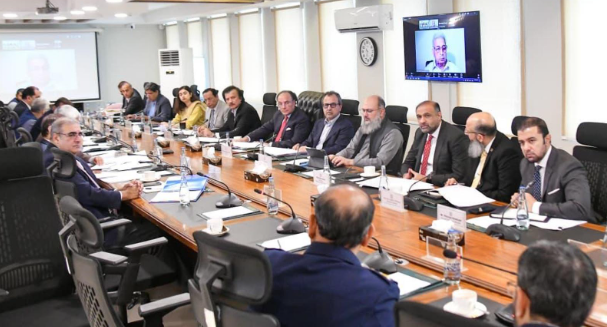
In a key meeting on Monday, the Economic Coordination Committee (ECC) noted signs of improving price stability and easing inflation in essential commodities. The session was chaired by Muhammad Aurangzeb, who also oversaw the approval of several fiscal measures aimed at strengthening economic governance.
Officials told the committee that prices have started to stabilise after a period of volatility. This improvement reflects better coordination between federal, provincial, and district authorities. In addition, stronger monitoring systems have helped ensure timely market interventions.
Inflation Shows Signs of Moderation
Data presented during the meeting indicated that inflationary pressures are gradually easing. The pace of increase in essential item prices has slowed in recent weeks.
Moreover, the Sensitive Price Index (SPI) shows a declining trend. While some commodities recorded slight increases, many others saw price reductions. As a result, overall market pressure appears to be easing.
Authorities attributed this progress to improved supply chain management and effective administrative actions. Consequently, prices of key household items are now moving closer to stable levels.
Read more:ECC approves distribution of confiscated solar panels for Gilgit-Baltistan
Supplementary Grants Approved
The ECC also approved several Technical Supplementary Grants (TSGs) across different sectors:
- Rs100 million for the Cannabis Control and Regulatory Authority to upgrade its facilities
- Rs311 million for the Government of Balochistan to support incentive packages for officers
- Rs372 million for the National Accountability Bureau to enhance digital systems
- Rs30 million as rewards for the Pakistan National Hockey Team after qualifying for the FIH Hockey World Cup
These approvals aim to strengthen institutional capacity and improve service delivery.
Key Economic and Policy Decisions
The committee reviewed multiple proposals affecting different sectors:
- It approved partial funding of Rs5.985 billion for the Pakistan International Airlines Corporation to cover pensions, salaries, and medical payments.
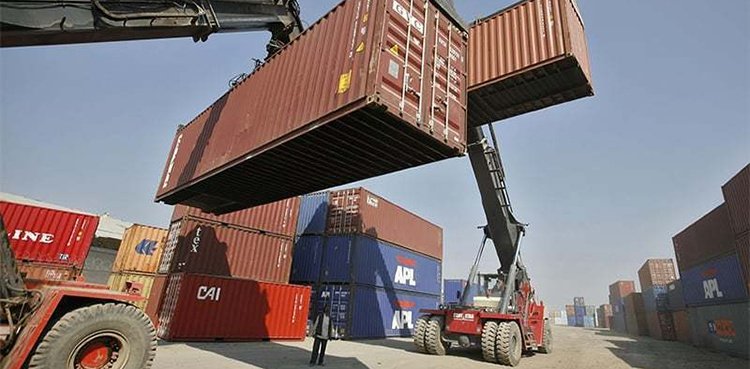
- It endorsed amendments to the Import Policy Order (IPO) 2022, including a ban on goods produced through forced labour, in line with International Labour Organization commitments.
- It allowed temporary import of used vehicles and parts for repair and re-export under a pilot project.
- It permitted regulated export of donkey meat and hides from Gwadar under existing protocols.
Meanwhile, the issue of power sector obligations was referred to the Cabinet Committee on State-Owned Enterprises for further review.
Conclusion
Overall, the ECC expressed satisfaction with the improving price outlook. It emphasised that consistent policy actions, better monitoring, and coordinated efforts are beginning to deliver results. Moving forward, the government aims to sustain this stability while continuing structural reforms across key sectors.

One thought on “Price Stability Improving, Says ECC”
Comments are closed.