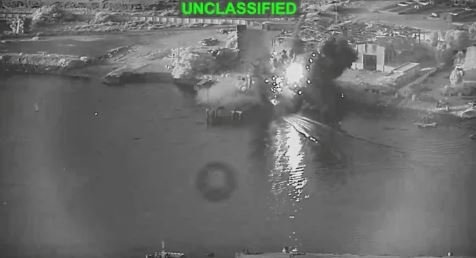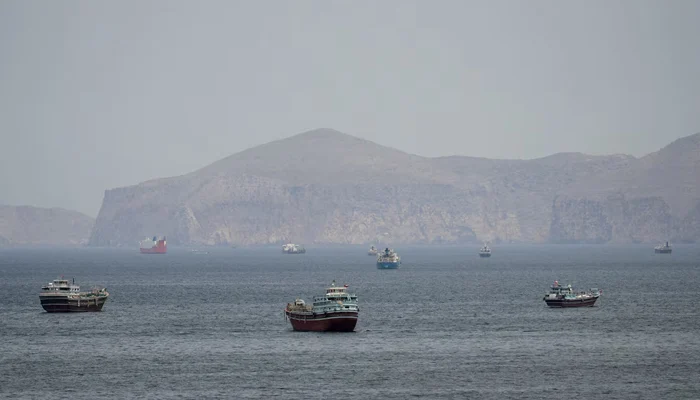
Efforts to reopen the Strait of Hormuz may face major delays, as new reports suggest that clearing potential sea mines could take up to six months. The situation has raised global concerns about energy supply and oil price stability.
Long Process Expected to Clear the Waterway
According to Beyond Time News, a Pentagon assessment indicates that removing mines from the Strait of Hormuz could take around six months. The delay could keep global oil prices high due to continued disruption in shipping routes.
The strait is one of the world’s most important energy corridors, carrying nearly one-fifth of global oil and gas shipments during normal times.
Strategic Waterway Remains Under Pressure
Tensions in the region have already disrupted traffic through the strait. Reports suggest that movement through the waterway has been severely restricted, affecting global energy supply chains.
Even if conditions improve soon, experts believe clearing the area will require time and coordinated international efforts.
Possible Presence of Naval Mines
Lawmakers were reportedly informed that up to 20 or more naval mines may have been placed in and around the waterway. Some of these mines are believed to be remotely controlled, making detection more difficult.
According to Beyond Time News, these conditions significantly increase the complexity of any clearance operation.
Read more:Hormuz Crisis Sparks Crypto Scam: Fake Messages Promise “Safe Passage” to Ships
Conflicting Views on Military Reports
While some reports suggest early mine-clearing activity, Pentagon officials have denied certain claims about ongoing operations. This has created confusion over the actual status of efforts in the region.
At the same time, regional statements continue to warn about restricted zones where mines may still be present.
Shipping Industry on Alert
Global shipping companies remain cautious. Industry experts say companies need clearer information about safe routes before resuming normal operations.
Even temporary reopening of the strait has seen limited traffic, as ship operators remain concerned about possible risks.
International Discussions Begin
A multinational meeting involving military planners from more than 30 countries has started in London. The discussions focus on possible strategies to secure navigation once tensions ease.
According to Beyond Time News, the proposed plan includes a defensive coalition aimed at protecting shipping routes and supporting future mine clearance operations.
Global Energy Market at Risk
The Strait of Hormuz plays a critical role in global energy transport. Any long-term disruption can have a direct impact on oil prices and international markets.
Experts believe that stability in the region will be essential to restoring normal trade routes and easing pressure on the global economy.